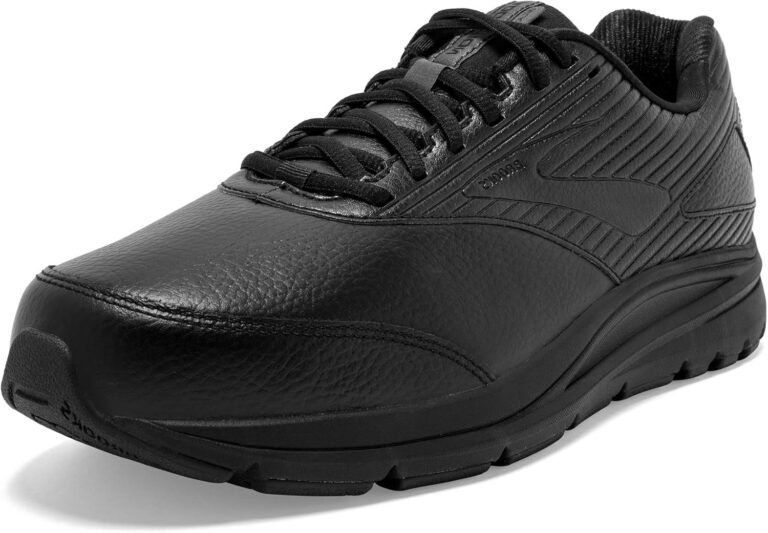
Walking Shoe Safety Tips for Injury-Free Walks
Yes, walking shoes are safe for most people, but only if they fit well and match your foot type. The truth is, the right walking shoes protect your feet and prevent pain, while the wrong ones can cause blisters, aches, and even injuries. Choosing a safe pair isn’t about the price tag—it’s about the fit, the support, and how the shoe feels on your body.
We found that safety on your feet starts with your shoes. A safe walking shoe offers a stable base, has a non-slip sole, and gives your heel and arch the support they need. Whether you stroll for ten minutes or walk for miles, the right footwear reduces your risk of falls and keeps your joints happy. Many experts say that checking your shoes for wear and tear is just as important as buying a new pair.
- Fit first: Always leave a thumb’s width of space between your longest toe and the shoe’s end.
- Check the sole: Look for a non-slip, grippy bottom to prevent slips on wet or uneven ground.
- Replace worn shoes: If the tread is smooth or the heel is worn down, it’s time for a new pair.
- Match your foot: High arches, flat feet, and wide feet need different kinds of support.
- Walk in them: A shoe that feels comfy in the store should feel just as good after a 20-minute walk.
Below, we’ll walk you through exactly how to pick the safest walking shoes for your needs. We’ll cover the signs of a worn-out shoe, how to match shoes to your foot, and simple fit tests you can do right now.
Safe Walking Shoe Features You Can See and Feel
You don’t need a degree in biomechanics to spot a safe walking shoe. You just need to know what to look for. We found that the safest shoes share a few key design features that work together.
The first thing to check is the heel counter. That is the stiff part at the back of the shoe. Squeeze it. If it collapses easily, the shoe lacks stability. A firm heel counter keeps your foot locked in place and prevents rolling.
The toe box matters just as much. It should be wide enough to let your toes spread naturally. Cramped toes cause bunions and blisters over time. Many experts say that a roomy toe box is the single most overlooked safety feature.
The Outsole and Tread Pattern
Flip the shoe over before you buy it. The bottom should have visible grooves and a rubber compound. Smooth, flat bottoms are a slip risk on wet pavement.
Test the grip with your thumb. Press down and slide. There should be some resistance. If your thumb glides easily, the shoe will glide on slick surfaces too. That is a dealbreaker.
Midsole Firmness and Cushioning
Press into the midsole, the foam layer between the outsole and your foot. It should feel firm but slightly springy. Mushy soft shoes feel great in the store but become unsafe as they compress quickly.
You want a balance. Too much cushion makes your foot unstable. Too little transfers shock to your knees and hips. Look for a midsole that resists your thumb but bounces back fast.
How to Match Walking Shoes to Your Foot Type
Your arch shape dictates how your foot rolls when you walk. That motion is called pronation. The wrong support can turn a simple walk into a painful session.
Here is the quick way to check your arch at home. Wet your foot and step on a piece of paper. Look at the print left behind. A full footprint shows a flat arch. A thin curve shows a normal arch. A very thin line shows high arches. Match your shoes accordingly.
Flat Feet and Low Arches
Flat feet roll inward too much. That motion overstretches the calf and strains the plantar fascia. You need stability shoes with firmer medial posts.
Look for shoes labeled “stability” or “motion control.” They have a firm wedge on the inner side of the midsole. This blocks excessive rolling and keeps your foot aligned. Many guidelines point to stability shoes as a safe first step for flat feet (Cleveland Clinic).
High Arches and Supination
High arches roll outward on impact. That puts heavy pressure on the outside edge of the foot. You need flexible, well-cushioned neutral shoes.
Neutral shoes allow natural motion without forcing correction. Prioritize cushioning in the heel and forefoot. This absorbs the shock that high arches transfer straight up the leg.
Wide Feet and Bunions
Width is not a vanity measurement. It is a safety issue. Shoes that are too narrow squeeze the toes and cut circulation. Look for wide or extra-wide sizing options.
Many brands now offer multiple width options. Always measure both feet at the end of the day. Feet swell as the day goes on, and your walking shoes need to fit your largest size.
Signs Your Current Walking Shoes Are Unsafe
Wearing old shoes is like driving on bald tires. You are still moving forward, but the risk is silently building. Most walking shoes last between 300 and 500 miles. After that, the cushioning breaks down and the support disappears.
We found that how long a shoe lasts depends on your weight, walking surface, and frequency. A daily walker may need new shoes every four to six months. A casual walker might get a full year from one pair.
The Press Test for Sole Wear
Check the tread pattern in the heel area first. That is where most wear happens. Run your finger across the grooves. If they feel flat or smooth, the shoe has lost its grip.
Look at the outer edge of the heel too. If it is worn down at an angle, the shoe is no longer supporting your foot correctly. This uneven wear can alter your gait and increase fall risk.
The Bend and Twist Tests
Hold the shoe at both ends and bend it. It should bend at the ball of the foot, not in the middle. If it folds in half, the shoe is too flexible and unstable.
Next, twist the shoe like wringing a towel. A safe shoe resists twisting. If it spins easily in your hands, the midsole has broken down completely. Replace it now.
Simple Fit Checks You Can Do Right Now
A safe walking shoe fits like a firm handshake. Not too tight, not too loose. You should never need to “break in” a walking shoe. It should feel right from the first step.
Try on shoes later in the day when your feet are naturally swollen. Wear the same socks you plan to walk in. And always test both shoes, because one foot is often slightly larger than the other.
The Thumb and Heel Slide Tests
Your longest toe should have a thumb’s width of space from the shoe’s end. Walk around in the shoe first. Then press down on the toe area to confirm there is no pressure.
Your heel should not slip when you walk. Put the shoe on and do a few lunges. If your heel lifts out of the shoe, the fit is off. You cannot fix heel slip with laces alone.
The Toe Wiggle and Lace Lock
Your toes should have room to wiggle side to side, not just up and down. If you feel pressure on any toe, that shoe will cause friction on a long walk. This friction turns into blisters fast.
Lacing matters more than most people realize. Use the top eyelets for a secure fit. A simple heel lock lacing technique can reduce foot movement by a lot. This is a well-known trick among hikers and walkers.
When to Choose a Walking Shoe Over Other Kinds
Not every pair of sneakers is a walking shoe. Running shoes, cross-trainers, and casual sneakers serve different purposes. The wrong type can put extra stress on your joints.
Walking is a heel-to-toe motion. Your shoe needs a flexible forefoot to allow that rolling motion. Running shoes have stiffer soles designed for midfoot strikes. Walking shoes are typically more flexible in the front.
| Feature | Walking Shoe | Running Shoe |
|---|---|---|
| Sole flexibility | Bends easily at the ball | Stiffer, helps with push-off |
| Heel design | Moderate cushioning | Extra thick for impact |
| Weight | Light to medium | Often heavier |
| Best for | Strolling and long distances | Jogging and sprinting |
Cross-trainers are made for lateral movements like gym class and side steps. They sacrifice some walking comfort for side support. Casual sneakers rarely have enough arch support at all.
If you walk more than 30 minutes a day, buy shoes meant for walking. Your feet, knees, and back will thank you later.
A Practical Walking Shoe Safety Checklist
You can use this checklist every time you buy new shoes. Take it with you to the store or keep it handy when ordering online. It covers the most important safety points in one glance.
- Correct size with a thumb’s width of space at the toe
- Firm heel counter that resists squeezing
- Non-slip outsole with visible tread grooves
- Snug heel fit with no slipping during a quick walk
- Room to wiggle all five toes inside the shoe
- Immediate comfort with no need for a break-in period
Run through this list every time. We found that skimping on even one item leads to issues down the road.
If a shoe fails any of these checks, put it back on the shelf. There are plenty of safe options out there. You just have to be willing to walk away from the wrong pair.
Your body sends signals all day long. Pain in your feet, knees, or lower back often traces back to poor footwear choices. Good walking shoes are simple prevention. They keep you stable, comfortable, and safe on every single step (National Institutes of Health).
Take a few extra minutes with your next pair. Test them, feel them, and walk in them. Your future steps depend on the choices you make today.
Conclusion
Your walking shoes are the foundation of every step you take. We found that the safest pair is one that fits well, supports your arch, and has a grippy sole. Checking the heel counter, bending the shoe at the ball, and feeling the tread are fast ways to spot a problem.
Don’t wait for pain to tell you something is wrong. Replace worn shoes every 300 to 500 miles, and always try on new pairs late in the day. Take our checklist with you next time you shop. Your feet do a lot for you. Give them the support they deserve, starting today.
Frequently Asked Questions
How often should I replace my walking shoes?
Most walking shoes last between 300 and 500 miles. For a daily walker, that usually means every four to six months. Casual walkers might get a full year from one pair. Check the tread and heel wear regularly to be sure.
Can I wear running shoes for walking?
You can, but they are not ideal. Running shoes have stiffer soles designed for a midfoot strike. Walking shoes bend easily at the ball of the foot to support your heel-to-toe motion. This flexibility helps prevent joint strain.
Should walking shoes be a size bigger?
You should leave a thumb’s width of space between your longest toe and the shoe’s end. That gives your foot room to move without sliding. You do not need a full size bigger. Just make sure the fit is snug in the heel and roomy in the toe box.
What is the best way to break in new walking shoes?
You should not need to break in a walking shoe. It should feel comfortable from the first step. If it feels tight or stiff in the store, try a different model or size. A safe shoe supports your foot right away without any adjustment period.
Are expensive walking shoes safer than budget options?
Price does not guarantee safety. A good fit and proper support matter more than the cost. Many affordable brands offer firm heel counters and non-slip outsoles. Focus on the features and the fit tests rather than the price tag.