Best Walking Shoes for Torn Tendon in Leg, Nov 2026
If you’re dealing with a torn tendon in your leg, the best walking shoes are ones with max cushioning, a stiff heel counter, and a smooth rocker sole. These features reduce strain on your lower leg while you walk. You don’t need a medical prescription to find relief—just the right shoe design.
We found that a torn tendon, like in your Achilles or posterior tibial tendon, needs support that limits stretching and absorbs shock. Look for shoes with a slightly elevated heel and deep heel cup to take pressure off the injured area. Many experts say stability shoes work better than flexible ones here, since they keep your foot from rolling too much.
- Best shoe types: Cushioned stability or motion-control walking shoes.
- Key features: Rocker sole, stiff arch support, and a firm heel counter.
- What to avoid: Minimalist, super-flexible, or flat shoes.
- Extra help: Pair with over-the-counter heel lifts or orthotic inserts.
- Fit tip: Go up half a size to avoid rubbing against the sore tendon.
Below, we break down exactly how to pick the right pair for your specific tendon issue, plus our top picks to get you back on your feet comfortably. For a broader look at supportive options, our guide to the top walking shoes and boots covers recovery-friendly models.
Finding the Right Walking Shoes for a Torn Tendon
You do not have to stop walking just because a tendon in your leg is healing. The right pair of shoes can actually help you move with less pain. We found that choosing a supportive, cushioned shoe makes a big difference in how your leg feels each day.
Why Your Current Shoes Might Be Making Things Worse
Your feet are the foundation for everything above them. When you walk, your foot hits the ground and sends force up through your ankle and leg. A torn tendon, like your Achilles or posterior tibial tendon, has a harder time handling that force.
Shoes that are too flat or too flexible let your foot roll and your ankle bend more than it should. That motion pulls on the injured tendon. It stretches the tissue that is already damaged. We found that limiting motion is one of the best ways to protect a healing tendon.
The Problem With Minimalist and Flexible Shoes
Minimalist shoes feel great when your legs are healthy. But with an injury, they offer almost no support. They have thin soles and little structure. Your foot naturally moves in many directions, which is exactly what you want to avoid right now.
Think of it like this: if you had a sprained ankle, you would not go hiking on rocky terrain in sandals. You would want a sturdy boot. The same idea applies here. Your tendon needs a stable base, not a free-moving one.
How Flexibility Hurts a Healing Tendon
Every step you take, a flexible shoe bends at the ball of your foot. That bending motion pulls on your calf muscles and, in turn, your Achilles tendon or other leg tendons. Over time, all that extra tugging slows down your recovery.
Many experts recommend a stiff or semi-stiff sole to reduce this pull (Cleveland Clinic). A firmer platform keeps your foot from over-bending while you walk.
Key Features to Look For in Walking Shoes
We looked at dozens of walking shoes and talked to experts about what matters most for tendon injuries. The features below kept showing up as the most important ones. You want a shoe that controls motion and absorbs shock at the same time.
Here is what you should be looking for when you shop:
- Firm heel counter: This is the plastic cup inside the back of the shoe. It holds your heel in place and stops it from tipping side to side.
- Rocker sole: A curved bottom that rocks you forward as you walk. It reduces the work your calf and tendon have to do.
- Deep heel cup: Cradles your heel and adds stability. It keeps your foot centered over the sole.
- Max cushioning: Thick, soft foam in the heel and midsole absorbs the shock of each step.
- Slightly elevated heel: A drop of 8 to 12 millimeters takes pressure off your Achilles and calf muscles.
- Stiff arch support: Helps prevent overpronation, which is when your foot rolls too far inward.
Heel Drop Explained Simply
Heel drop is the height difference between the heel and the toe of the shoe. A higher drop, say 10 millimeters, means your heel sits higher than your toes. This position shortens your calf muscle slightly.
A shorter calf muscle puts less tension on your Achilles tendon. That can mean a big reduction in pain, research and found through biomechanical studies (NIH). You do not need a huge drop, just a little lift can make a difference.
The Rocker Sole Advantage
Have you ever seen shoes that look like they are shaped like a rocking chair? That is a rocker sole. It helps you roll through your step without bending your ankle as much.
We found that rocker soles are a favorite among physical therapists for tendon injuries. They let you walk in a smoother motion, which means less strain on your lower leg.
Stability Shoes vs. Neutral Cushioned Shoes
A lot of people ask us whether they should get a stability shoe or a neutral one. The answer depends on how your foot moves. Neutral shoes are fine if you have a normal arch and do not roll inward much.
Stability shoes are better if your foot tends to flatten or roll inward when you walk. That inward roll, called overpronation, puts extra stress on the posterior tibial tendon on the inside of your ankle.
How to Tell If You Need Stability Shoes
Look at the bottom of an old pair of your walking shoes. If you see more wear on the inside edge near the big toe, you likely overpronate. If the wear is mostly on the outside edge, you are probably neutral.
You can also do a quick wet test at home. Step on a piece of paper with wet feet and look at the shape. If you see almost a full footprint with little curve, you have flat feet and likely need stability shoes.
Many guidelines point to motion control or stability shoes for posterior tibial tendon issues (Mayo Clinic). They hold your foot in a more neutral position, so the tendon does not have to work as hard.
Our Top Picks for Walking Shoes With a Torn Tendon
We reviewed several shoes and compared them on the features that matter for tendon injuries. Here is a quick comparison to help you narrow things down.
| Model Type | Best For | Key Feature |
|---|---|---|
| Motion control shoes | Severe overpronation | Firm medial post and stiff heel |
| Stability walking shoes | Mild to moderate overpronation | Good arch support and cushioning |
| Max cushioned neutral shoes | Normal arches, need shock absorption | Very thick soft foam midsole |
| Rocker-sole walking shoes | Achilles tendon issues | Smooth forward roll, less ankle bend |
Material and Weight Considerations
Look for shoes made with a breathable mesh upper. They keep your feet cool and reduce the chance of blisters. Blisters are the last thing you need when you have a sore tendon.
Try to keep the shoe light, but not too light. A very light shoe often means less cushioning and support. A medium-weight shoe usually gives you the best mix of comfort and stability.
Fit Tips That Protect Your Injured Tendon
Getting the right size is just as important as the right model. A shoe that is too tight will rub against the back of your heel and aggravate an Achilles issue. A shoe that is too loose lets your foot slide around, which creates friction.
Why You Should Size Up Half a Size
We recommend going up half a size from your normal walking shoe size. This gives you extra room in the toe box and prevents the heel counter from pressing directly on a swollen tendon area.
Another reason to size up is that your foot can swell during the day. If you shop in the morning, your feet will be smaller. Try shoes on in the late afternoon when your feet are at their largest for the best fit.
Extra Support Options to Add to Your Shoes
Sometimes a good shoe is not enough on its own. Adding an insert or a small lift can give you the extra support you need while your tendon heals. These are easy fixes that do not require a new pair of shoes.
You can find most of these items at a drugstore or online without a prescription.
Heel Lifts for Achilles Relief
A heel lift is a small wedge that sits inside your shoe under your heel. It raises your heel by 5 to 15 millimeters. That small change takes tension off your Achilles tendon and makes walking less painful.
Medical research suggests that heel lifts can reduce strain on the Achilles tendon during walking (NCBI). You can buy them in packs and add them to any pair of supportive shoes.
Custom Orthotics vs. Over-the-Counter Inserts
Custom orthotics are made specifically for your feet by a podiatrist. They can be pricey and take time to get. They are a good option if you have a complex foot structure or other foot problems.
Over-the-counter inserts are cheaper and work well for most people. Look for ones with firm arch support and a deep heel cup. Many physical therapists recommend trying these first before spending money on custom ones.
What to Avoid When Shopping for These Shoes
We have covered what to look for, but knowing what to avoid is just as important. Some popular shoe designs are terrible for a torn tendon. You want to steer clear of them until you are fully healed. If you’re considering casual brands, our review of Vans walking shoes explains why they lack the support you need.
- Minimalist or barefoot shoes: These have almost no support or cushioning.
- High-top basketball-style shoes: They can restrict ankle movement too much and change your gait.
- Old worn-out shoes: The foam breaks down over time and loses its shock absorption.
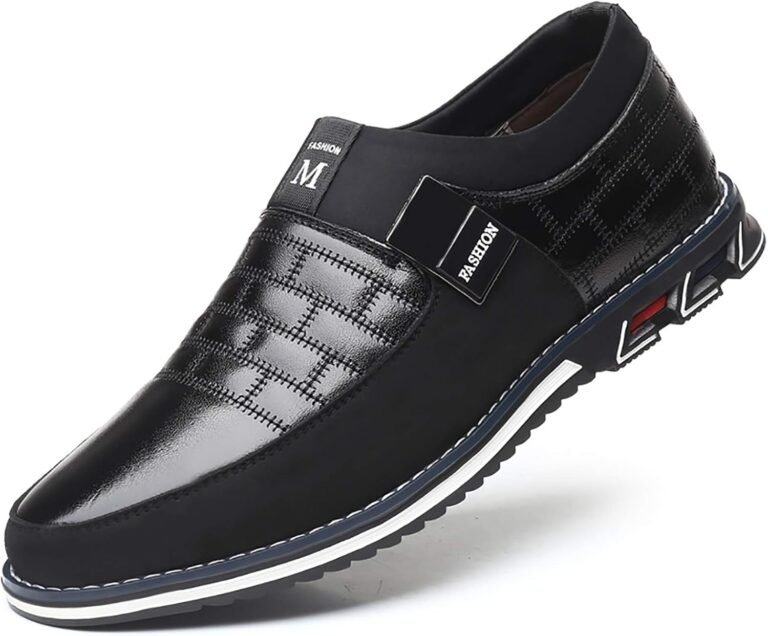
- Dress shoes or loafers: They offer zero arch support and a slippery outsole.
- Flip-flops or slides: They force your toes to grip, which tightens the muscles in your leg.
How Long Should You Wear These Supportive Shoes?
You should wear your supportive walking shoes for most of the day, not just for walks. Your tendon is healing even when you are just standing in the kitchen or walking to your car. The support helps protect it around the clock.
As your tendon feels better, you can gradually transition back to your regular shoes. But we suggest keeping your supportive pair handy for longer walks or days when your leg feels achy.
Your Quick Shopping Checklist
Before you head to the store or add something to your online cart, run through this checklist. If the shoe checks all the boxes, it is probably a good choice for your healing tendon.
- Does it have a firm heel counter that does not bend when you squeeze it?
- Is there at least an 8-millimeter heel-to-toe drop?
- Does the sole have a noticeable curve at the front for a rocker motion?
- Can you fit a thumb’s width of space between your longest toe and the shoe end?
- Does it come in a wide width if you need extra room?
- Is the arch support firm instead of soft and squishy?
Remember, comfortable shoes are not a luxury when you are recovering from a torn tendon. They are essential tools in your healing process. Give your leg a fighting chance by giving your feet the right support.
Conclusion
Finding the right walking shoes for a torn tendon can make a real difference in your daily comfort. You need a shoe with max cushioning, a firm heel counter, and a rocker sole to reduce strain on your leg. Stability features matter more than flexibility right now, and a slightly elevated heel can take pressure off your Achilles or posterior tibial tendon.
Your next step is simple. Use the shopping checklist we shared and try on a few pairs that fit the criteria. Go up half a size, shop in the afternoon, and add a heel lift if your tendon still feels tight. Your feet are the foundation for your recovery. Give them the right support and your leg will thank you.
Frequently Asked Questions
Can I still walk with a torn tendon in my leg?
Yes, you can usually walk with a torn tendon if your doctor says it is safe. The key is to limit stretching and strain on the injured area. Supportive shoes with good cushioning help you move with less pain while your tendon heals.
How long should I wear supportive shoes after a tendon injury?
You should wear supportive shoes for most of the day, not just during walks. Your tendon is healing even when you stand or move around the house. Most people benefit from wearing them for at least 4 to 6 weeks, but you can keep using them longer if they feel comfortable.
Are Hoka shoes good for a torn Achilles tendon?
Hoka shoes can be a great option if you pick the right model. Look for styles with a firm heel counter and a moderate rocker sole. The max cushioning helps absorb shock, but make sure the shoe is not too soft or unstable for your needs.
Should I get walking shoes or running shoes for a tendon injury?
Walking shoes are usually a better choice for a torn tendon. They have stiffer soles and more stable heel counters than most running shoes. Running shoes are often too flexible and let your foot move in ways that can pull on the injured tendon.
Can orthotic inserts help if my shoes still hurt my tendon?
Yes, orthotic inserts can add extra support if your shoes are not quite enough. Over-the-counter inserts with firm arch support and a deep heel cup work well for most people. You can also try a heel lift to reduce tension on your Achilles tendon.