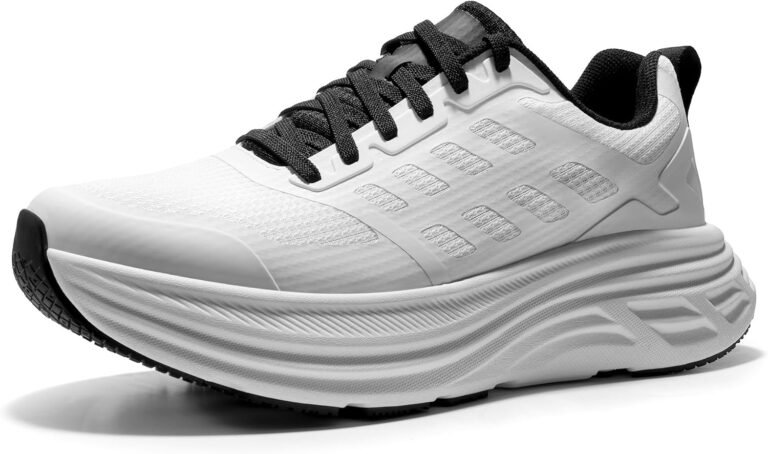
Walking vs Running Shoes: Key Differences Explained
For most people, walking shoes are the better choice for daily strolls and standing, while running shoes are best for high-impact exercise like jogging or sprinting. The core difference comes down to how your foot moves and the pressure you put on it. You need the right tool for the job to keep your feet happy and prevent injuries.
We looked at how each shoe type is built and found that walking shoes are stiffer and more rigid, while running shoes prioritize maximum cushioning and flexibility for forward motion. While they might look similar, using the wrong shoe can cause foot pain or even lead to knee problems. Many experts say that what feels comfortable is a great guide, but knowing the mechanical differences is key.
- Walking shoes have a lower, flatter sole for stability and a rocker bottom to help your foot roll forward.
- Running shoes feature a thicker, softer heel to absorb the shock of your foot striking the ground.
- Walking shoes are generally stiffer and offer more support for standing or walking long distances.
- Running shoes are more flexible in the forefoot to allow for a powerful push-off during a run.
- Yes, you can use them interchangeably in a pinch, but it might hurt after a while.
So, how do you pick the perfect pair for your daily routine? Below, we break down the walking shoe vs running shoe battle so you can make the smartest choice for your feet.
Deciding Between Walking and Running Footwear for Your Daily Routine
You don’t need to be a marathon runner to care about shoe mechanics. Your feet do a lot of work, whether you are strolling through the grocery store or hitting the pavement for a jog. We found that the biggest mistake people make is picking a shoe based on looks rather than function.
Think of it this way: you wouldn’t use a hammer to drive in a screw. The tools are different because the jobs are different. The same logic applies to your feet. Let’s break down the physical demands so you can see exactly why the design differs.
The Biomechanics of Walking: Why You Need Stability
When you walk, one foot is always on the ground. Your body is in a constant state of controlled falling forward. We found that your heel hits the ground first, then your foot rolls smoothly through the step to push off with your toes.
This movement is a gentle rocking motion. Experts at the Mayo Clinic point out that walking puts about 1.2 to 1.5 times your body weight on your joints. It’s low impact, but it happens thousands of times in a single day.
Because the motion is so steady, you need a shoe that supports that roll. A walking shoe has a stiffer sole to guide your foot. It also has a flatter profile to give you a solid base for standing or moving at a leisurely pace.
The Biomechanics of Running: Why You Need Shock Absorption
Running is a completely different animal. There is a moment of flight where both feet leave the ground. That means you have to absorb a massive amount of force when you land.
That same force is about 2.5 to 3 times your body weight with every single stride, according to research cited by the National Institutes of Health (NIH). Your joints need a serious buffer to handle that impact.
Running shoes are built with a thicker, softer heel to soak up that shock. They are also designed to be flexible in the forefoot so you can push off powerfully and efficiently. The goal is to move forward fast, not to stand still comfortably.
Key Construction Differences You Can See and Feel
If you pick up a walking shoe and a running shoe, you will notice the weight difference immediately. Running shoes are generally lighter. But the real differences are hidden in the materials and the shape of the sole.
Here is the breakdown of what we found when comparing the anatomy of each shoe type:
- Heel drop: Walking shoes have a lower heel drop (usually under 8mm). Running shoes often have a higher drop (10-12mm) to shift the load away from the calf.
- Sole flexibility: Walking shoes are rigid and resist bending. Running shoes bend easily at the ball of the foot.
- Heel cushioning: Running shoes have a plush, cloud-like heel. Walking shoes have a firmer heel to prevent wobbling.
- Outsole curve: Walking shoes have a “rocker” design that helps you roll forward. Running shoes have a flatter landing zone for grip.
Cushioning: Firm Support vs. Plush Softness
You might think more cushioning is always better. We found that is not the case for walking. If you have a super squishy running shoe and you walk all day in it, your foot can sink into the foam. This creates instability and can strain your arch.
Walking shoes use a firmer foam. This is a deliberate choice. Firmness gives your foot a stable platform to push off from. It prevents your ankle from rolling inward excessively, which is a common cause of pain.
Sole Shape: The Rocker Bottom vs. The Striking Platform
Look at the bottom of a walking shoe from the side. You will see the toe curves upward. That is called a rocker bottom. It works like the bottom of a rocking chair, helping you glide from heel to toe with less effort.
Running shoes have a more square or beveled heel. This design allows for a controlled heel strike at high speeds. A curved sole on a running shoe would actually make it unstable and could cause you to trip on uneven ground.
What Happens When You Wear the Wrong Shoe?
Let’s be real. We have all grabbed the wrong pair of sneakers in a hurry. But using them consistently can lead to problems. Your body adapts to the support you give it, and if that support is wrong, your muscles and joints pay the price.
We found that wearing running shoes for daily walking can lead to foot fatigue. The instability of the soft foam makes your foot muscles work overtime to keep you balanced. This can cause arch pain and shin splints.
Using Running Shoes for Walking
You might get away with this for a short stroll. But over a long walk, the elevated heel can shorten your calf muscle. This puts extra tension on your Achilles tendon. It can also change your posture, leading to lower back pain.
Many experts say that the thick heel of a running shoe is unnecessary for walking. It raises your foot to an unnatural angle for a steady gait. You lose the ground feel you need to walk confidently on uneven sidewalks.
Using Walking Shoes for Running
This is where you really run into trouble. A walking shoe is stiff. When you try to run in them, that stiffness prevents your foot from flexing naturally during the push-off phase. It forces your calf and Achilles tendon to do all the work.
Walkers need firm support, but runners need impact absorption. A walking shoe lacks that shock-absorbing heel. Every step jars your knees and spine. This drastically increases your risk of stress fractures.
When You Need a Cross-Training Shoe Instead
What if you do a little bit of everything? Maybe you walk to the gym, lift weights, and do a light jog on the treadmill. In that case, neither a pure walking nor a pure running shoe might be ideal. This is where a cross-trainer comes in.
Cross-training shoes offer extra lateral support for side-to-side movements. They are stiffer than running shoes but more flexible than walking shoes. They are a true compromise, but a good one for mixed activities.
The Lighter Side of the Debate
Let’s look at this from a practical angle. Running shoes are generally built to be light and breathable. That makes them great for summer days, even if you are just walking. However, that breathability often means less structure.
Walking shoes are heavier and more structured. They offer better protection from the elements and often have more durable outsoles. If you walk on gravel or rough city streets, that durability matters more than the weight savings.
Choosing the Right Pair for Your Daily Routine
The best way to choose is to ask yourself one simple question: What does my foot do most? If you are consistently at a walking pace, buy a walking shoe. If you are moving at a pace where your feet leave the ground, buy a running shoe.
Here is a quick comparison table we put together to help you visualize the key differences:
| Feature | Walking Shoe | Running Shoe |
|---|---|---|
| Heel cushioning | Firm and low-profile | Thick and soft for impact |
| Flexibility | Rigid midsole | Flexible forefoot |
| Heel-to-toe drop | Low (0-8mm) | Higher (8-12mm) |
| Weight | Heavier, more durable | Lighter, more breathable |
| Best for | Standing, strolling, daily wear | Jogging, sprinting, HIIT |
Practical Tips for Making the Final Decision
You don’t need a fancy scan to know what you need. You just need to be honest about your activity levels. If your feet hurt after a long day, your shoes are probably the culprit.
Always try on shoes later in the day. Your feet swell as you move around. There is nothing worse than buying shoes in the morning that are too tight by 5 pm.
Your Quick Shopping Checklist
Before you head to the store, do a quick mental check. We put together this list to keep you on track. Make sure you check these boxes before you buy:
- Bring the socks you plan to wear with them.
- Check the heel counter (the back of the shoe) for stiffness.
- Bend the shoe to test for forefoot flexibility.
- Press the heel to measure cushioning density.
- Walk or jog in the store for at least 5 minutes.
- Check for a thumb’s width of space between your toe and the end.
When to See a Professional
If you have persistent foot pain, do not ignore it. A podiatrist can analyze your gait properly. They can tell you if you overpronate or if you have high arches that require specific support.
Sometimes the issue is not the shoe type, but the fit itself. Many experts suggest getting your feet measured professionally. Your shoe size can change as you age, and getting the right width is just as important as the length.
Ultimately, comfort wins. If a walking shoe feels great and you run slow, it might work. But for the long haul, matching the shoe to the movement is the safest bet for your joints and your long-term happiness.
Conclusion
Your feet carry you through thousands of steps every day. Giving them the right support is one of the smartest investments you can make. We found that walking shoes offer the stability you need for daily strolls, while running shoes provide the cushioning required for high-impact exercise.
Matching your shoe to your main activity keeps your joints happy and prevents unnecessary pain. You do not need a closet full of sneakers. You just need the right pair for what you do most.
Here is your next step: take a quick honest look at your weekly routine. If walking dominates, grab a walking shoe. If you jog or sprint, get a running shoe. Your feet will thank you.
Frequently Asked Questions
Can I wear running shoes for walking every day?
Yes, you can wear running shoes for walking, but it is not ideal for daily use. The thick, soft heel can make your foot unstable during a steady walking gait. This can lead to arch strain and foot fatigue over time.
If you walk occasionally, running shoes are fine. For daily long walks, a walking shoe gives you the firm support your feet need to stay comfortable.
Are walking shoes good for standing all day at work?
Yes, walking shoes are actually a great choice for standing all day. The firmer sole and lower profile provide a stable base that keeps your body aligned. This reduces stress on your lower back and legs.
Running shoes, with their soft cushioning, can cause your feet to sink and wobble during prolonged standing. A good walking shoe keeps you grounded and supported from morning to night.
How often should I replace my walking shoes?
Most experts recommend replacing walking shoes every 300 to 500 miles. That usually works out to about six to eight months of regular daily use. You should also swap them out if the soles look worn unevenly.
Pay attention to how they feel. If your feet, knees, or back start aching after a walk, it is probably time for a new pair.
What is the difference between a running shoe and a trainer?
A running shoe is specifically built for forward motion with maximum heel cushioning. A cross-training shoe, often called a trainer, offers more lateral support for side-to-side movements. This makes trainers better for gym workouts like weightlifting or aerobics.
If you only run, get a running shoe. If you mix running with gym work, a cross-trainer might be the more versatile pick for your routine.
Do I need different shoes if I walk fast or power walk?
For fast walking or power walking, a walking shoe is still your best bet. The rocker bottom design helps you glide through your stride efficiently. This works well even at a brisk pace.
You might be tempted by running shoes, but they are designed for impact absorption, not smooth rolling motion. Stick with a walking shoe unless you plan to break into a jog.