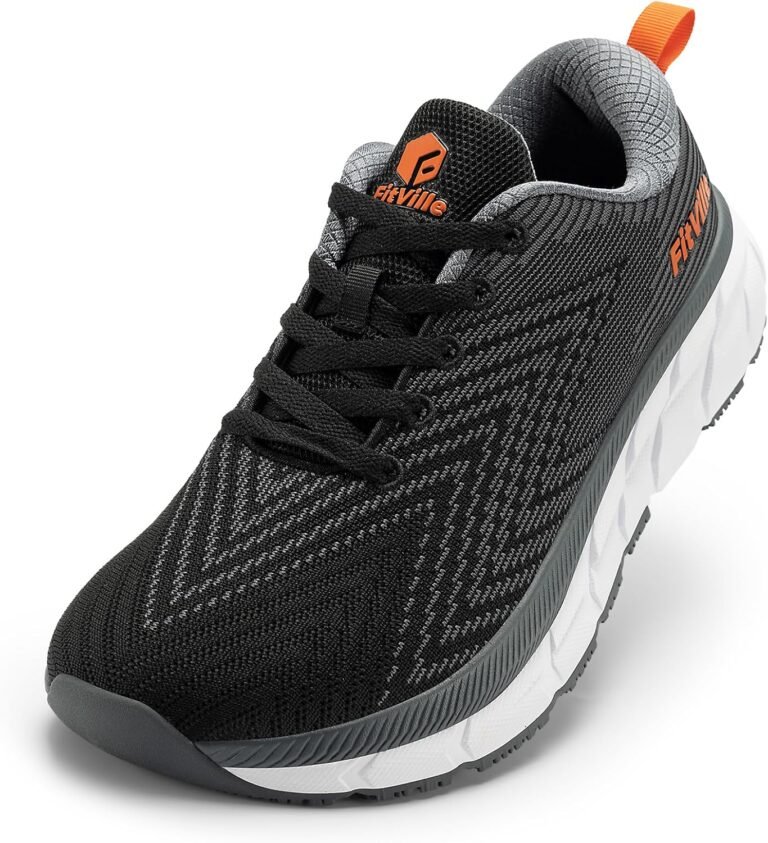
Trail Running vs Walking Shoes: Key Differences
For trail running, you need trail running shoes, not walking shoes. Walking shoes lack the grippy outsoles, cushioning, and stability required for uneven terrain and faster paces. We found that using walking shoes on trails puts you at a much higher risk of slipping and injury. So, if you are running on dirt, rocks, or roots, choose a dedicated trail runner.
Think about the difference in your stride. When you walk, one foot is always on the ground, providing constant balance. When you run, you have brief moments of flight, landing with much more force. That extra impact demands specific shock absorption and a secure fit to protect your ankles and knees. The materials and tread patterns on walking shoes just aren’t built for that kind of punishment.
- Trail running shoes win for any running on uneven ground.
- Walking shoes are a safety risk on trails due to poor traction.
- Running requires more cushioning to handle higher impact forces.
- Trail shoes use aggressive lugs for grip on dirt and rocks.
- Your feet will stay more secure and stable with a proper trail shoe fit.
Below, we break down the exact differences in cushioning, grip, and support. We’ll help you figure out the best shoe for your specific adventures. Let’s get you fitted for the right pair.
Key Differences Between Trail Runners and Walking Shoes
Let’s start with the most obvious question: what really separates these two types of footwear? We found that the differences go far beyond just the price tag or the color options. Trail running shoes and walking shoes are built for completely different jobs. Your walking shoes are like a reliable sedan—comfortable for cruising around town. Trail runners are more like an off-road 4×4—built for tough, unpredictable conditions.
The main differences come down to three core areas: grip, cushioning, and support. Walking shoes are designed for flat, even surfaces where you take steady, predictable steps. Trail running shoes need to handle dirt, rocks, roots, and steep slopes. That’s a big job, and it requires serious engineering.
Aggressive Traction for Loose Terrain
We found that the outsole—the bottom part of the shoe—is where the biggest differences show up. Walking shoes have flat, shallow treads that work well on pavement. Trail shoes have deep lugs and aggressive tread patterns that dig into dirt and grip onto rocks.
Think about it. When you walk, your foot stays mostly flat on the ground. When you run, you push off harder and change direction quickly. Those sharp turns on a downhill slope need serious bite from your shoe. Many experts say that lugs (the little rubber teeth on the bottom) are the key to preventing slips on muddy trails (American College of Sports Medicine).
Cushioning for High Impact Landings
Here’s the simple physics of it. When you walk, you land with about 1.5 times your body weight. When you run, that force jumps to about 2.5 to 3 times your body weight. We found that most walking shoes simply don’t have enough foam to handle that kind of impact on uneven ground.
Trail running shoes use denser, more resilient foam in the midsole. This helps absorb shock and protect your joints over longer distances. Walking shoes, on the other hand, often use softer foam. That feels cushy at first, but it can break down quickly when you run. You need that solid support to keep going mile after mile.
Stability and Foot Lockdown
Walking shoes have a roomier fit, which allows your feet to swell comfortably. But when you run on trails, loose shoes are dangerous. Your foot slides inside, and that movement can cause blisters, rolled ankles, and falls. Trail running shoes have a snugger fit around the heel and midfoot to lock you in place.
“If your foot slides forward on a downhill, your toes slam into the front of the shoe. That’s how you lose toenails—and it’s never fun.”
Many trail shoes also include a rock plate—a thin, hard layer between the outsole and midsole. It protects the bottom of your foot from sharp rocks and roots. Walking shoes rarely have this feature. This is a huge reason why using walking shoes on technical trails is risky business.
Comparing the Underfoot Protection and Ride
Expert and runner reviews consistently show that walking shoes feel flat and dull on trails. Trail running shoes are designed to give you a more responsive and stable ride. We compared the feel of both in typical trail conditions to see how they stack up.
| Feature | Trail Running Shoes | Walking Shoes |
|---|---|---|
| Tread depth | Deep lugs (4-6mm) for grip | Shallow tread for pavement |
| Midsole density | Firm, responsive foam | Soft, comfortable foam |
| Heel slip | Snug heel lock | Roomy and relaxed |
| Protection | Rock plate included | Thin upper, no plate |
| Best surface | Dirt, rocks, mud, roots | Sidewalks, gyms, flat paths |
| Weight | Slightly heavier | Generally lighter |
Notice the difference in heel slip. Walking shoes are often too loose for running because they don’t grip your heel tightly. On a rocky descent, that slack means your foot moves forward and your toes hit the front. Trail running shoes use a structure that holds the heel in place, giving you a more stable platform to land on.
The Midsole: Firm vs. Soft
We found that a firmer midsole is actually better for trails. A soft, marshmallow-y shoe feels great in the store. But on a trail, that softness creates instability. Your foot sinks and shifts side to side. Trail runners use a balanced, mid-firm foam that stops your foot from rolling over on uneven ground. This helps you stay upright and moving forward.
Upper Materials and Guards
Trail running shoes also have a tougher upper mesh. Walking shoes have thin, breathable mesh that tears easily on branches and rocks. Trail shoes add reinforced toe caps and mud guards. These features keep the debris out and protect your feet from scrapes. It’s clear that trail designs walk the line between armor and agility.
What happens if you run in walking shoes?
We strongly advise against running any distance on trails in walking shoes. The risk of injury goes up quickly. Without proper lugs, you lose traction on wet grass, gravel, or loose dirt. Without a rock plate, you feel every sharp stone directly on the sole of your foot.
More importantly, the ankle support and stability are just not there. Many experts agree that a lack of proper support contributes to ankle sprains and knee problems on uneven terrain (Mayo Clinic). A rolled ankle is often the result of a shoe bottom that is too wide and flat, causing it to catch on the ground and turn over.
Choosing the right shoes for your activities
Now that we have broken down the physical differences, let’s talk about how to pick the right shoe for what you need to do. If your plan is to hike or walk a short, flat, paved path near your house, walking shoes work fine. If you plan to hit the trails, even for a leisurely jog, you need trail shoes.
When walking shoes are okay
Walking shoes are fine for city walking, mall trips, or going to work. They are also good for gentle walks in the park where the ground is flat and even. If there are no rocks, no steep hills, and no mud, your regular sneaker will do the job. Just watch for uneven cracks in sidewalks that could still trip you up.
When you should switch to trail runners
You should make the switch for anything more than a smooth gravel path. If you are hiking with a load, walking fast on uneven dirt, or running at any pace on a trail, you need the grip and stability of a trail shoe. It’s a simple quality-of-life improvement for your feet.
Think about the specific conditions you plan to face:
- Dry, packed dirt: You need moderate lugs for grip, and a rock plate for pointy stones.
- Muddy or wet trails: You need deep, spaced-out lugs that shed mud for superior traction.
- Rocky mountains: You need a stiff rock plate and a snug fit to avoid bruising your feet.
- Gravel paths: You can get away with a road-to-trail hybrid shoe if that’s your preference.
- Forest trails: Look for a tough upper to protect against branches and debris.
- Snow or winter: Consider a waterproof or gore-tex trail runner for extra protection.
Consult with an expert to find the right fit
We found that the fit is just as important as the type of shoe. You can’t just buy the same size you wear in dress shoes. Trail running shoes often run tight in the toes. You want about a thumb’s width of space between your longest toe and the end of the shoe. This allows your foot to slide forward on downhills without jamming your toes.
We always suggest trying on shoes at the end of the day when your feet are at their largest. Wear the same socks you plan to use on the trail. A good fit means your heel stays put, your toes have room, and the shoe feels secure across the midfoot. If you can, talk to a specialist at a running store. They can analyze your gait and the shape of your foot to find the best match.
The bottom line is this: the right tool makes all the difference. Trail running shoes are purpose-built for the outdoors. Walking shoes are for everyday life. Knowing the difference keeps you safe, comfortable, and moving forward on your next adventure.
Conclusion
When you hit the trails, your shoes need to work as hard as you do. We found that walking shoes simply aren’t built for the grip, impact, and stability that running on uneven ground demands. Your ankles, knees, and feet will thank you for choosing a dedicated trail running shoe.
The takeaway is simple: match your footwear to your activity. If you are running on dirt, rocks, or roots, invest in a pair of trail runners with deep lugs and a snug, secure fit. Your walking shoes are perfect for pavement and everyday errands, but leave them at the trailhead.
Before your next adventure, check the tread on your current shoes. If they lack grip and feel roomy, it’s time to upgrade. Your feet will feel the difference from the very first step.
Frequently Asked Questions
Can I use trail running shoes for everyday walking?
Yes, you can absolutely wear trail running shoes for walking. They offer excellent support and cushioning for casual use. The aggressive tread might feel a bit bulky on pavement, but they are perfectly comfortable for short walks or errands.
Are hiking shoes the same as trail running shoes?
No, they are not the same. Hiking shoes are stiffer and heavier, designed for carrying heavy packs on slower treks. Trail running shoes are lighter and more flexible, built for quick movements and running strides. Choose based on your primary activity.
How often should I replace my trail running shoes?
Most experts recommend replacing trail running shoes every 300 to 500 miles. If you notice the tread wearing down flat or the cushioning feels dead, it’s time for a new pair. Running in worn-out shoes increases your risk of slips and joint pain.
Do I need waterproof trail running shoes?
Only if you frequently run in wet or snowy conditions. Waterproof shoes keep your feet dry in puddles and mud, but they also trap heat and dry slower once wet inside. For most dry-weather runners, a breathable mesh trail shoe is the better choice.
Can I wear trail running shoes on the road or treadmill?
You can, but it’s not ideal. The deep lugs will feel aggressive on hard pavement and can wear down quickly. They also tend to be heavier than road running shoes. Save your trail shoes for the dirt to get the most life out of them.