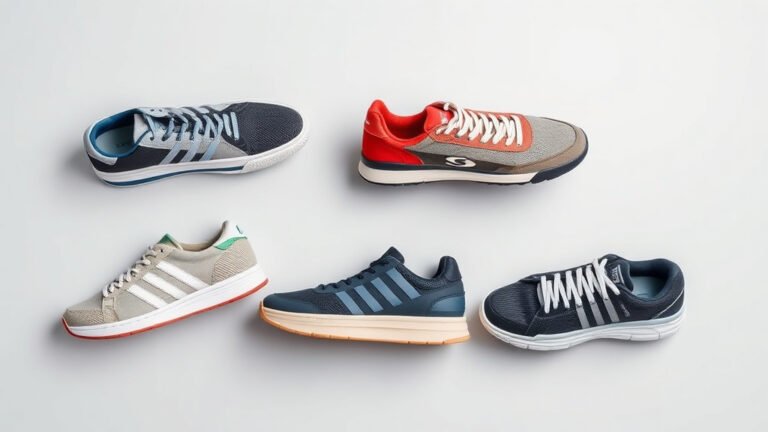
Best Walking Shoes for Plus Size Women: 2026 Guide
The best walking shoes for plus size women are ones with wide toe boxes, firm arch support, and maximum cushioning to properly distribute your weight and protect your joints. You don’t need a special label—you need the right fit and structure that supports your body’s natural stride.
Finding comfortable footwear can feel like a frustrating hunt, especially when many brands design shoes for a slimmer foot profile. We found that focusing on supportive midsoles and breathable materials makes a huge difference, while a secure heel counter prevents slipping and blistering. Your weight deserves shoes that work as hard as you do, not ones that flatten or break down quickly.
- Structure beats size: Look for a firm heel counter and a stable base, not just a bigger number.
- Cushioning is key: Thick EVA foam or gel absorbs impact and relieves pressure on knees and hips.
- Width matters: A wide toe box stops bunions and pinched nerves before they start.
- Arch support is non-negotiable: Flat feet need stability shoes; high arches need extra cushioning.
- Brands that listen: We found that Brooks, ASICS, and Hoka consistently offer true-to-size widths for fuller feet.
Below, we’ll walk you through exactly what to look for in every pair, plus the top-rated models that fit and feel great from the first step.
Finding Walking Shoes That Support Your Body Weight
Your weight shifts how your foot hits the ground. We found that plus size walkers often need extra stability and shock absorption because heavier bodies place more force on the joints. The right shoes can make your daily walks feel lighter on your knees, hips, and lower back.
Many experts say that a good walking shoe should feel supportive right out of the box. You should not need a “breaking in” period that leaves you with blisters. The shoe should bend at the toe box, not in the middle, and the heel should feel snug without pinching.
Why Regular Shoes May Not Work for You
Standard shoes are often built on a narrow last. That means the mold they use to shape the shoe is slim. If you have wider feet or a fuller arch, those shoes can squeeze your toes and cause foot pain, bunions, or numbness.
We found that many popular brands now offer wide and extra-wide options. But the width is only part of the story. The insole and midsole must also support a heavier load without flattening out quickly.
How Your Weight Affects Your Feet
Every pound you carry adds extra pressure to your feet. According to the American Podiatric Medical Association, your feet absorb 1.5 times your body weight with each step. Walking one mile means your feet take about 2,000 steps. That is a lot of pounding.
Heavy steps can also flatten your arches over time. That is why you need a shoe with a firm midsole and a supportive arch. You want the shoe to hold your foot in a neutral position, not let it roll inward.
What To Look For In a Supportive Walking Shoe
When you shop for walking shoes, think about your foot shape and how you walk. We found that a few key features matter more than the brand name. Look for cushioning, stability, and a roomy toe box.
Also, pay attention to the weight of the shoe. Heavy shoes can tire your legs faster. Lightweight but cushioned shoes are often the best choice for daily walks.
Cushioning That Absorbs Impact
Thick cushioning helps spread the force of each step. Look for materials like EVA foam or gel. These materials compress under pressure and then bounce back. They protect your joints from the hard impact of walking on pavement or concrete.
We found that shoes with high-stack midsoles offer more shock absorption. That means the sole is taller, which gives you more foam between your foot and the ground. Brands like Hoka and Brooks are known for this kind of plush cushioning.
Arch Support and Your Foot Type
Your arch type decides the kind of support you need. You can check this with the wet foot test. Wet your foot and step on a paper bag. If you see most of your foot, you have flat feet. If you see just the heel and the ball of the foot, you have high arches.
Flat feet often need a stability shoe with a firmer arch. This helps stop your foot from rolling inward. High arches need neutral shoes with more cushioning to absorb shock. Many experts say that a supportive insole can also help if you need extra comfort.
Finding Your True Shoe Size
Your foot size can change as you age or gain weight. We found that your feet can spread and lengthen over time. That means the size you wore five years ago might not fit now. Get your feet measured at a shoe store, or do it at home in the evening when your feet are largest.
Always try on both shoes. One foot is often slightly bigger. Buy for your larger foot and use an insole if the other shoe feels loose.
How To Measure Your Foot Width
Width matters just as much as length. Wrap a measuring tape around the widest part of your foot. That is the ball of your foot. Compare your measurement to a width chart online.
Most standard shoes are a B width for women. If your foot measures wider, you need a D or EE width. Many brands now label wide sizes clearly, which makes shopping easier.
Top Shoe Features for Plus Size Walkers
We found that the best shoes for heavier walkers share a few common features. They have a firm heel counter to hold your foot in place. They also have a wide base to prevent wobbling. And they use high-quality foam that does not break down after a few months.
Cheap shoes often lose their support quickly. That can lead to foot pain and even knee problems. Investing in a good pair is worth it because you will replace them less often.
- Heel counter: A firm cup around your heel that stops slipping and provides stability.
- Wide toe box: Lets your toes spread out naturally for better balance.
- Removable insole: Allows you to swap in custom orthotics if you need them.
- Breathable mesh upper: Keeps your feet cool and prevents blisters.
- Durable outsole: Gives you good grip and does not wear down quickly.
- Lightweight design: Reduces fatigue on longer walks.
Best Walking Shoe Categories for Heavier Walkers
You do not need one special shoe. You need a shoe that fits your foot shape and walking style. We found that three categories work best for plus size women: stability shoes, cushioned neutral shoes, and max-cushion shoes.
Each type has a different job. Stability shoes keep your foot aligned. Neutral shoes offer balanced cushioning. Max-cushion shoes give you the softest ride possible. For trail walking, our guide to the best walking shoes and boots covers durable options.
Stability Shoes for Flat Feet and Overpronation
Stability shoes are built to correct overpronation. That is when your foot rolls too far inward with each step. Over time, this can cause shin splints, knee pain, and hip issues.
These shoes have a firmer foam on the inner side of the sole. That firm area acts like a ramp to guide your foot to a neutral position. Brooks Addiction Walker and ASICS GT-2000 are popular models in this category.
Cushioned Neutral Shoes for High Arches
If you have high arches, your foot does not roll inward enough. You need soft cushioning to absorb shock because your foot has less natural padding. A neutral shoe with a soft midsole works well for this foot type.
Look for shoes with a curved sole shape. That shape matches the natural curve of a high arch. New Balance Fresh Foam and Saucony Ride are good examples of this style.
Max-Cushion Shoes for Maximum Comfort
Max-cushion shoes are the softest shoes you can buy. They have very thick soles, anywhere from 30mm to 40mm tall. This thick foam gives you a plush, cloud-like feel with every step.
We found that Hoka Bondi and Brooks Glycerin are top picks in this category. They are heavier than other shoes, but the comfort often outweighs the weight. These shoes are great for walking on hard surfaces.
Comparing Top Brands for Wider Feet
Not all brands fit the same. We found that Brooks, ASICS, and New Balance consistently offer wider sizes that fit true to size. Hoka also expanded its wide options, but some styles run narrow.
Below is a quick comparison to help you decide. Use it as a starting point, not a final answer. Your foot shape and walking style are unique.
| Brand | Best For | Width Options | Cushion Level |
|---|---|---|---|
| Brooks | Stability and support | Wide and extra wide | Medium to high |
| ASICS | Breathability and structure | Wide and extra wide | Medium |
| New Balance | Roomy toe boxes | Wide, extra wide, and double wide | Medium to high |
| Hoka | Maximum cushioning | Wide available on select styles | Very high |
| Saucony | Neutral and stability | Wide available | Medium to high |
Why Fit Trumps Brand For Comfort
We found that a $50 pair of shoes that fits well will beat a $150 pair that does not. You need the shoe to grip your heel and leave a thumb width of space at the toe. That space prevents your toes from hitting the front of the shoe.
Your toes should not feel cramped or squished. If they do, the shoe is too narrow. Also, walk around the store for at least five minutes. Your feet can feel fine standing still but hurt when you move.
Common Mistakes To Avoid When Buying Walking Shoes
Many people buy shoes that are too small or too narrow. They think the shoe will stretch with time. That is a myth. Shoes only stretch a tiny bit, and that is not enough to fix a bad fit.
Here is a checklist to guide your next purchase. Use it at the store or when you order online.
- Do not buy shoes that hurt in the store. They will not get better with time.
- Shop in the afternoon. Your feet swell during the day, so you need the larger size.
- Wear your walking socks. The thickness changes how the shoe fits.
- Check the toe box. You should be able to wiggle all your toes freely.
- Press on the heel counter. It should be firm, not flimsy.
- Look at the sole. It should not twist easily in the middle.
When To Replace Your Walking Shoes
Walking shoes break down after about 300 to 500 miles. That is roughly four to six months for daily walkers. If you put extra weight on your shoes, they may wear out faster.
Pay attention to the foam. When the shoe loses its bounce, it stops protecting your joints. You can also check the tread. If the sole is smooth in high-wear areas, it is time for a new pair.
How To Break In New Walking Shoes the Right Way
Even the best shoes need a short adjustment period. We found that a gradual break-in process works best. Start by wearing your new shoes for short walks of 15 to 20 minutes. Then slowly increase the time each day.
If you feel a hotspot or a rub, address it right away. Use a blister bandage or adjust your socks. Your shoes should feel comfortable within the first week. If they do not, consider a different size or style.
Your feet are the foundation of your body. Investing in the right walking shoes means protecting your knees, hips, and back for years to come. Remember, you deserve shoes that feel as good as they look.
Conclusion
Finding the right walking shoes comes down to how they fit and support your body, not the size on the box. You need a roomy toe box, firm arch support, and cushioning that absorbs impact without flattening out. Brands like Brooks, ASICS, and New Balance offer wide options that actually hold up under heavier weight.
Your next step is simple: measure your feet tonight and try on a few pairs from our list. Walk around the store for five minutes. Pay attention to how your heel feels and whether your toes can wiggle freely. When you find that pair, your walks will feel noticeably lighter on your joints. You owe it to your feet to make comfort your top priority.
Frequently Asked Questions
Are walking shoes different from running shoes for plus size women?
Yes, they are different. Walking shoes have stiffer soles and less heel drop, which helps with a heel-to-toe stride. Running shoes have more flexibility in the forefoot for pushing off. For daily walking, you want a shoe built for walking motion, not running bounce.
Should I buy a half size bigger for wide feet?
Not always. A wide width shoe is often a better fix than sizing up. Going up a half size adds length, not width, which can make your foot slide forward. Try the wide version of your regular size first. If your toes still feel cramped, then try a half size up in wide.
Can I use custom orthotics in walking shoes?
Yes, but you need a shoe with a removable insole. Most quality walking shoes have insoles that lift out so you can swap in your orthotics. Check that the shoe has enough depth so your orthotic does not push your foot too high against the upper. If your toes rub the top, the shoe is too shallow.
How do I know if my walking shoes have worn out?
You can feel it in the foam. When the midsole loses its bounce, your feet and knees will feel every step harder. Press your thumb into the heel cushion. If it stays compressed, the shoe is done. Uneven tread wear is another sign you need a fresh pair.
What should I do if my feet swell during long walks?
Your feet naturally swell as you walk, so lacing technique matters. Use the extra eyelet near the ankle to make a heel lock, which holds your foot back and gives your toes more room. Also choose shoes with breathable mesh uppers. That gives your feet space to expand as they warm up.