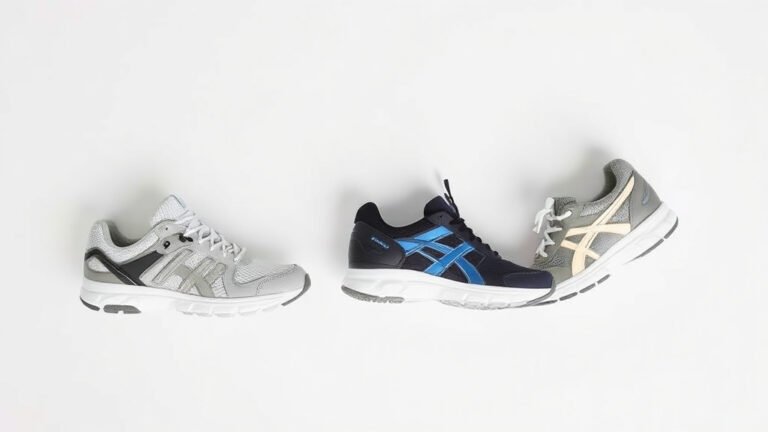
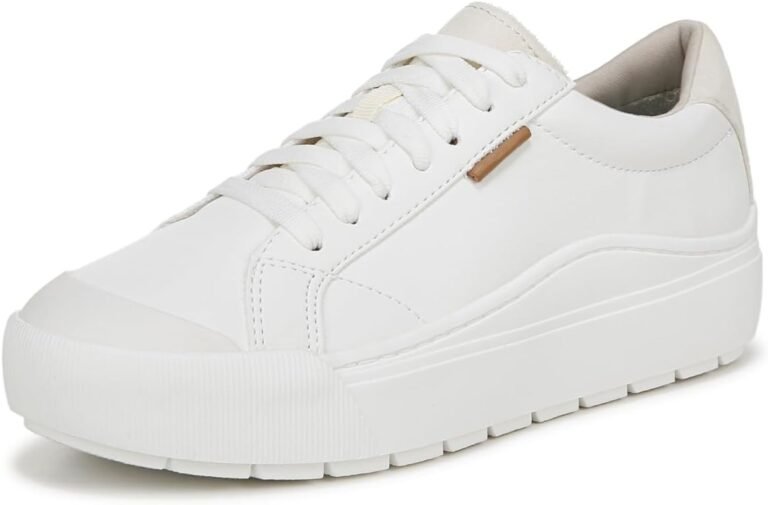
Men’s Walking Shoes Size 10: Fit Guide and Top Picks
Finding men’s walking shoes in size 10 is actually pretty straightforward, but only if you know what to look for. You don’t need to guess or settle for a pair that hurts. We found that the easiest place to start is by focusing on your foot shape and how you walk, not just the number on the box.
Size 10 is a very common size, so you have tons of options. But a perfect fit goes beyond length. You also need to think about width, arch support, and cushioning. Many experts say a good walking shoe should feel comfortable right out of the box, with no break-in period needed. We are here to help you cut through the noise and find a pair that actually feels great.
- Check your foot width to see if you need a medium (D) or wide (2E) fit.
- Look for flexible soles that let your foot bend naturally.
- Prioritize arch support that matches your flat, neutral, or high arches.
- Buy shoes later in the day when your feet are naturally slightly swollen.
- Replace your walking shoes every 300 to 500 miles to keep your feet happy.
Below, we break down exactly which features matter most for a size 10 walking shoe, plus a few simple tips for finding your perfect match. Let’s get you on the path to pain-free walks.
Matching a Size 10 Shoe to Your Unique Foot Shape
We found that most men assume a size 10 is a size 10. That is rarely the case. Your foot shape plays a massive role in how a shoe feels, regardless of the number printed on the tongue.
Think of it like buying jeans. Two pairs of size 32 waist fit completely differently depending on the cut. Shoes are the same. You need to look at the overall last shape (the mold the shoe is built around) to find your best match.
Your Arch Type is the Real Decision Maker
Your arches are the shock absorbers of your body. They tell you exactly how much support you need. We found that ignoring this is the #1 reason why a good shoe ends up hurting.
First, do the wet test. Wet your foot and step on a paper bag. Look at the print left behind.
- Flat Feet: You see almost a full footprint with no curve. You need motion control shoes with firm support.
- Normal Arches: You see a clear curve along the inside of your foot. You are best with neutral cushioning shoes.
- High Arches: You only see the heel and the ball of your foot. You need extra cushioning to absorb shock.
If your arch collapses inward when you walk (overpronation), you need a shoe with a medial post. That is a firm piece of foam on the inside of the shoe. It keeps your foot stable. Many experts say that a simple stability shoe is the best starting point for most walkers (Cleveland Clinic).
Width Matters More Than Length
You might be a size 10 in length, but your width could be a 2E or even a 4E. Cramming a wide foot into a medium (D) shoe causes blisters and bunions. It is a common mistake we see all the time.
Here is a quick rule. If your foot spills over the edge of the sole, you need a wide version. If you always feel pressure on the sides of your toes, size up in width, not length. Many brands now offer their size 10 shoes in multiple widths on their websites.
Key Features to Look For in Size 10 Walking Shoes
You do not need to be a sneakerhead to pick a good pair. We broke down the science of walking shoes into three simple parts. Focus on these, and you will be fine.
Cushioning vs. Stability
Walking is a heel-to-toe motion. You hit the ground with your heel, roll through your mid-foot, and push off with your toes. Your shoes need to support that specific motion.
Here is the simple breakdown of the two main types you will find in a size 10:
| Feature | Best For | What It Does |
|---|---|---|
| Neutral Cushioning | Normal to high arches | Soft foam absorbs shock. Feels plush under foot. |
| Stability | Flat feet / mild overpronation | Firm foam on the inner side prevents rolling inward. |
We found that stability shoes are usually the safest bet for daily walking. They offer a bit of both worlds. You get comfort, but you also get guidance. If you are unsure, go with a mild stability shoe.
Heel Drop and Rocker Soles
Heel drop is the difference in height between your heel and your toes. For walking, you generally want a lower drop. Look for something between 4mm and 8mm.
A lower drop encourages a more natural stride. It reduces the stress on your lower back. Also, try to find a shoe with a rocker sole. That curved bottom helps you roll forward smoothly. It feels like the shoe is pushing you along.
Think of a rocking chair. That is how your foot should feel in a good walking shoe. This design takes the work out of your stride.
Upper Material and Breathability
This is about comfort, not just looks. Your feet swell during a long walk. A stiff upper will cut off circulation. A flexible, breathable upper will move with you.
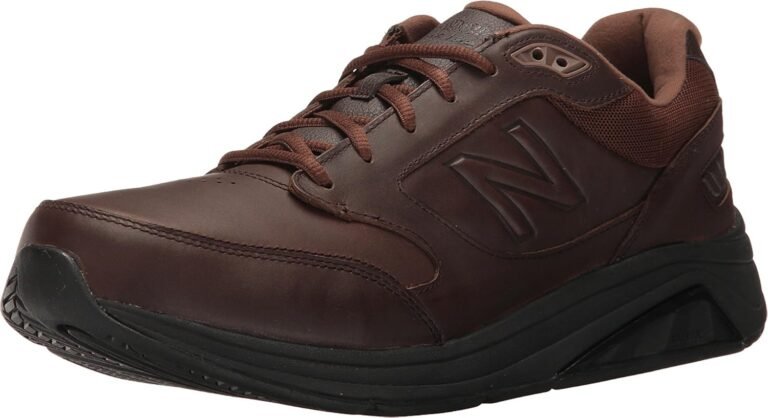
Look for mesh or engineered knit materials. They wrap your foot like a sock. Avoid thick leather unless you need it for work. It does not stretch well and holds in heat.
How to Test a Size 10 Shoe Before You Buy
You have found a few pairs that look good on paper. Now it is time to test them properly. We found that most guys grab a shoe, wiggle their toes, and buy it. That is a mistake. You need to simulate walking.
The Thumb Test and the Golden Rule
There should be about a thumb’s width of space between your longest toe and the end of the shoe. That is about half an inch. This gives your foot room to slide forward when you walk.
Do not buy a shoe that is snug at the toe. You will get black toenails. Trust us, that is a painful mistake.
Shop in the Afternoon
Your feet swell as the day goes on. They can grow up to half a size by the evening. This is a body response to gravity and pressure. If you try on shoes in the morning, you might get a pair that is too tight by dinner time.
Many experts suggest shopping for shoes later in the day (Mayo Clinic). It gives you a more accurate fit for real-world use.
Wear Your Walking Socks
This one is easy to overlook. If you plan to walk in thick wool socks, bring them to the store. Trying on shoes with thin dress socks will give you a false fit. The size 10 you buy for thin socks might feel like a torture device with thick ones.
Common Fit Problems and Quick Fixes
Even with the right size, things can go wrong. We hear about these issues all the time. Here is how to solve them before you give up.
Heel Slippage
Your foot slides up and down in the heel. This causes blisters on your Achilles tendon. The fix is usually in the lacing.
Use the heel lock lacing technique. Thread the lace through the top eyelet to create a loop. Then, cross the lace through the loop and pull tight. This locks your heel in place without strangling your foot.
Toe Numbness or Tingling
This is a sign that the shoe is too narrow. Your foot is being squeezed. Do not just ignore it and hope it goes away. It will not.
Look for a size 10 in a wide width (2E or 4E). Also, check if the laces are too tight over the top of your foot. Loosen them up if needed. Your foot should feel hugged, not suffocated.
When to Replace Your Walking Shoes
A walking shoe is not built to last forever. The foam breaks down over time. It loses its bounce and support. This happens gradually, so you might not even notice it until your knees start hurting.
We suggest using the 300 to 500-mile rule. If you walk about 20 miles a week, start thinking about a new pair every 4 to 6 months. If you walk less, check the shoe’s structure instead of the calendar.
Here is a quick checklist to use before you hit the checkout button:
- Check the bend: The shoe should bend at the toe, not in the middle of the arch.
- Twist test: Grab the heel and toe. Twist them. If it twists easily, it is too flexible.
- Check the heel counter: Squeeze the back of the shoe. It should be firm.
- Feel the inside: Run your hand inside to find any rough seams.
- Walk on a hard floor: Carpet hides a lot of issues. Walk on tile or wood.
- Trust your gut: If it feels great in the store, take it home.
Your size 10 shoes are out there. Focus on how your foot behaves, not just the label. That is the secret to finding a pair that goes the distance with you.
Conclusion
Finding the right men’s walking shoes in size 10 comes down to understanding your feet, not just the number on the box. You now know to check your arch type, consider your width, and look for features like a rocker sole and the right heel drop.
Remember to shop later in the day and always test shoes with the socks you plan to wear. A proper fit should feel comfortable immediately, with no break-in period needed.
Your next step is simple. Take the wet test to identify your arch type, then look for a stability or neutral shoe that matches your needs. Your feet will thank you on every walk ahead.
Frequently Asked Questions
Are men’s size 10 walking shoes the same as running shoes?
No, they are built differently. Walking shoes have a more flexible sole that bends at the toe to support a heel-to-toe stride. Running shoes have stiffer heels and extra cushioning for impact from running.
For daily walking, you want a shoe designed specifically for that motion. It will feel more comfortable and last longer.
Should I buy a half size up in walking shoes?
Not always. You need about a thumb’s width of space between your longest toe and the shoe’s end. If your feet swell during the day, a half size up can help.
Start with your true size 10. Most brands offer wide widths if you need extra room. Try both sizes and compare how they feel.
Can I wear orthotics in a size 10 walking shoe?
Yes, most size 10 shoes have removable insoles. Take the stock insole out and place your orthotic inside to test the fit.
If your orthotic makes the shoe feel tight, look for a wide version or a model with a deeper toe box.
Why do my size 10 walking shoes wear out on the outside edge?
That is a sign of supination, which means your foot rolls outward when you walk. You need a neutral cushioned shoe that absorbs shock well.
Look for soft foam midsoles and flexible outsoles. They help distribute pressure evenly across your foot.
How many pairs of walking shoes should I rotate?
Having two pairs is a smart move. Rotating them gives the foam time to recover between walks, which extends their lifespan.
You will also always have a dry pair ready when one gets wet or needs cleaning.