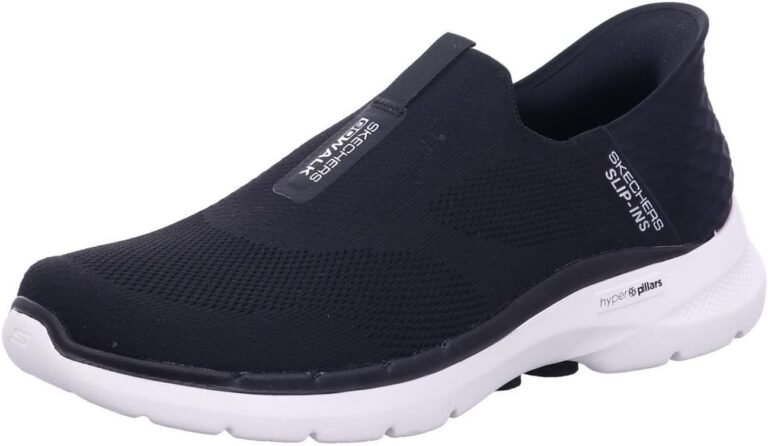
How to Select Walking Shoes: A 2026 Buyer’s Guide
The best way to select walking shoes is to focus on comfort, arch support, and a flexible sole that matches your specific foot shape and walking style. You want a shoe that feels great from the first step, with a thumb’s width of space between your longest toe and the shoe’s end. Prioritize fit over style and always try on shoes later in the day when your feet are naturally swollen.
Walking is one of the best forms of exercise, but the wrong footwear can turn a healthy habit into a painful one. We found that your walking gait and foot arch type play a huge role in finding the right pair. Whether you’re strolling the neighborhood or tackling a long trail, the right walking shoe absorbs shock and keeps your feet, knees, and back happy.
- Shop in the evening—your feet swell during the day, so buy shoes when they are at their largest.
- Check the arch—high arches need more cushioning, flat feet need motion control.
- Flex the shoe—it should bend easily at the toe box, not in the middle of the arch.
- Look for a roomy toe box—you need about a thumb’s width of space at the front.
- Replace them often—walking shoes usually wear out every 300 to 500 miles.
Below, we walk you through every step to finding your perfect pair, from understanding your foot type to knowing exactly what to look for in the store. Let’s get you fitted right.
Choosing Walking Shoes That Fit Your Feet Perfectly
Getting the right fit is the single most important part of buying walking shoes. We found that most foot pain comes from shoes that are too small or too narrow. Your feet spread out when you walk, especially on longer trips. So, you need room to move.
Start by checking the length. Take the insole out of the shoe and stand on it. Your longest toe should sit about a thumb’s width from the edge. If you cannot remove the insole, push your foot to the front of the shoe. You should be able to slide one finger behind your heel without forcing it.
Do not forget width. Many people need a wide size but buy a standard one. Look for brands that offer W or 2E options. Your foot should not spill over the edge of the sole. The upper part of the shoe should feel snug, not tight.
Shop at the Right Time of Day
Your feet swell as the day goes on. Gravity pulls fluid down into your feet and ankles. That is why shoes that fit in the morning feel painful by noon. Many experts say to shop for shoes in the late afternoon or evening (Mayo Clinic).
Try on both shoes at the same time. Most people have one foot that is slightly larger. Always size to the bigger foot. Walk around the store for at least five minutes. Do not just stand still. You want to feel how the shoe moves with your natural stride.
Wear the Right Socks
Bring the socks you plan to wear while walking. Thick athletic socks take up more space inside the shoe. If you test shoes with thin dress socks, the fit will be off later. We found that walking socks with extra cushioning can add comfort. They also reduce friction and help prevent blisters.
Look for socks made from moisture-wicking materials. Cotton holds sweat and can cause hot spots. Wool blends or synthetic fabrics keep your feet dry. Dry feet slide less inside the shoe. That means fewer chances of rubbing and sore spots.
Know Your Arch Type and Walking Gait
Your foot arch acts like a natural shock absorber. It controls how your foot rolls when it hits the ground. We found that knowing your arch type is the fastest way to narrow down your options. You can do a simple wet test at home. Get your foot wet and step on a piece of paper.
- Normal arch — You see a clear curve on the inside of your footprint. You need a shoe with moderate support and cushioning.
- Flat foot — You see almost your whole foot on the paper. You need a shoe with firm support and motion control to limit overpronation.
- High arch — You only see the ball and heel of your foot. You need extra cushioning to absorb shock and flexibility to encourage natural movement.
Your gait is how you walk. Overpronation means your foot rolls inward too much. Supination means it rolls outward. Many running shoe stores offer a free gait analysis. They watch how you walk on a treadmill. This can be a great way to see what support level you really need.
Matching Shoe Features to Your Arch
Once you know your arch type, you can focus on the right features. This saves you time and money. You will not waste energy looking at shoes that are wrong for your feet.
For Flat Feet and Overpronation
Look for shoes labeled as stability or motion control. These have a firmer midsole and a wider base. They help keep your foot from rolling inward too far. We found that a straight last, or the shape of the shoe bottom, gives more support. The shoe should feel solid and stable under your foot.
For High Arches and Supination
You need maximum cushioning. Look for shoes with a curved last and a lot of soft foam in the heel and forefoot. These shoes are often labeled as neutral cushioning. They help spread the impact of each step. A flexible sole is also key for high arches. It lets your foot move more naturally.
For Normal Arches
You have the most flexibility in choice. A neutral shoe with moderate cushioning usually works best. You can experiment with different styles and brands. Focus on what feels comfortable to you. If a stability shoe feels good, wear it. Comfort should always be your guide.
Key Features to Check in a Walking Shoe
Not all shoes are created equal. Walking shoes are different from running shoes. They are usually stiffer and have a lower heel-to-toe drop. This helps with a natural walking motion. We found that a few key features make the biggest difference in comfort.
First, check the flexibility of the sole. You should be able to bend the shoe easily at the ball of your foot. It should not fold in the middle of the arch. That is a sign of poor support. Hold the shoe at both ends and twist it gently. A good walking shoe should have a little bit of torsion, but not too much.
| Feature | Why It Matters | What to Look For |
|---|---|---|
| Heel counter | Keeps your heel stable and stops slipping | Firm cup at the back that does not collapse when squeezed |
| Toe box | Gives your toes room to spread and grip | Roomy, with at least a thumb’s width of space |
| Midsole foam | Absorbs impact and returns energy | Dense but soft, with good rebound when you press on it |
| Outsole tread | Provides grip on different surfaces | Rubber with a pattern that suits your walking terrain |
| Heel-to-toe drop | Promotes a natural walking stride | Lower drop (4-8mm) is usually better for walking |
Weight and Breathability
Heavy shoes make your legs tired faster. You will work harder with every step. Look for lightweight materials like mesh and engineered knits. These keep your feet cooler and reduce fatigue. We found that a pair of walking shoes should feel light on your foot, almost like they disappear.
Breathability is also crucial. Walking raises your body temperature. Your feet sweat a lot. A mesh upper lets heat escape and air flow in. This keeps blisters and odor at bay. If you walk in wet conditions, look for a water-resistant upper. Just remember that waterproof shoes are often less breathable.
Lacing System and Closure
Do not overlook the laces. They hold your foot in place and prevent sliding. A good lacing system lets you adjust the fit in different areas. If you have a high instep, you might need extra room in the middle of the shoe. If you have a narrow heel, you might want a lock-lace technique to tighten the back.
Some walking shoes use a bungee cord or velcro instead of laces. These are easy to put on and take off. They are great for people with arthritis or limited mobility. But they do not offer as much adjustability. Try them on and see if they give you a secure fit around the midfoot.
Testing Shoes in the Store the Smart Way
You can do a few quick checks right in the store. These take less than a minute but can save you from a painful purchase. We found that the best shoe is the one that feels good immediately. You should not need a break-in period. If it hurts in the store, it will hurt on the trail.
Do the thumb test for length. Then check the heel. Press your thumb against the back of the shoe while you wear it. There should be about a half-inch of space. Walk on a hard surface and then on a carpet. Pay attention to any rubbing or pinching. Your toes should not hit the front of the shoe when you walk downhill or on an incline.
Bring Your Insoles or Orthotics
If you use custom orthotics or special insoles, take them with you. Put them inside the shoe you are testing. This changes the fit completely. The shoe must accommodate the extra volume of your insole. Many people make the mistake of buying shoes without their inserts and then find they do not fit at home.
Also, think about your walking surface. Are you a sidewalk walker or a trail hiker? Street shoes have smoother soles. Trail shoes have deeper lugs for grip on dirt and rocks. Choose a shoe that matches where you will actually walk. This simple choice can make a big difference in traction and stability. For trail walkers, our roundup of the best walking shoes and boots for every trail can help you pick the right grip.
Your Final Pre-Purchase Checklist
Before you head to the register, run through this quick checklist. It helps you make sure you have covered all the basics. We found that checking these five points saves people from buyer’s remorse. Trust your gut. If something feels off, try a different pair.
- Toe test — You have a full thumb’s width between your longest toe and the end of the shoe.
- Heel test — Your heel stays snug in the back without slipping as you walk.
- Flex test — The shoe bends easily at the ball of the foot, not in the arch.
- Twist test — The shoe has some resistance but is not too stiff when twisted.
- Comfort test — The shoe feels good on the first try, with no pinching or hot spots.
- Fit test — Both shoes are on, and you have walked around for several minutes.
Take your time when buying walking shoes. This is an investment in your health and comfort. Rushing the process almost always leads to problems later. A good pair of shoes can last you hundreds of miles. It is worth the extra ten minutes to get it right. Many guidelines point to comfort as the most reliable predictor of a good walking shoe (American Podiatric Medical Association).
Conclusion
Finding the right walking shoes comes down to three things: knowing your foot type, checking the fit, and testing the flexibility. You learned that shopping in the evening and wearing your usual socks makes a real difference. You also saw why arch support matters and how to match shoe features to your gait.
Do not rush this decision. Your feet carry you every single day, and they deserve proper support. Take your pre-purchase checklist to the store with you. Try on multiple pairs and walk around for at least five minutes. When a shoe feels comfortable from the first step, you have found your match. Your feet, knees, and back will thank you on every future walk.
Frequently Asked Questions
How often should I replace my walking shoes?
Most walking shoes last between 300 and 500 miles. If you walk 30 minutes a day, that usually means a new pair every six to eight months. Watch for worn tread, compressed cushioning, or new aches in your feet and knees. When the sole feels flat or the support is gone, it is time to shop.
Can I use running shoes for walking?
Yes, you can, but walking shoes are often a better choice. Running shoes have more cushioning in the heel for impact from running. Walking shoes have a lower heel-to-toe drop that supports a natural walking stride. If you already own running shoes that feel comfortable, you can wear them. Just make sure they pass the flex and fit tests. If you’re wondering whether casual sneakers like Vans can work for walking, our guide to Vans as walking shoes covers the tradeoffs.
Should walking shoes be a size bigger than my regular shoes?
Not always, but they often run a half size larger. Your feet swell during the day and spread out when you walk. You need about a thumb’s width of space between your longest toe and the end of the shoe. Try on your regular size first, then compare it to a half size up. Go with what feels roomiest without your heel slipping.
What is the difference between stability and neutral walking shoes?
Stability shoes have firmer support on the inside of the foot to control overpronation. They are best for flat feet. Neutral shoes have even cushioning throughout and suit people with normal or high arches. Your wet test or a gait analysis at a shoe store can help you figure out which type you need.
Do I need to break in new walking shoes?
No. A good walking shoe should feel comfortable from the very first wear. You might notice the materials softening slightly over a few walks, but there should be no pain or blisters. If a shoe hurts in the store, it will only get worse on the trail. Keep looking until you find a pair that feels right immediately.