7 Best Men’s Walking Shoes Under $100 for November 2026
The best men’s walking shoes are the Skechers Go Walk Max Effort, Skechers Summits High Range, and Rockport Eureka Walking Shoe — chosen for their standout cushioning, easy on/off convenience, and arch support, respectively.
Picking the right pair matters because walking is high-impact over time, and the wrong shoe can turn a daily stroll into a source of foot fatigue or joint pain. For most general buyers, the goal is a balance of all-day comfort, breathable materials, and durable outsoles that hold up on both pavement and trails. These three models lead the pack because they address the most common walking complaints without requiring a premium budget.
We’ve narrowed the field to 7 top picks after hands-on testing over varied distances and surfaces. Each shoe was evaluated on cushioning response, heel stability, fit consistency, and outsole grip — keeping every option under $100 for value-conscious shoppers. The comparison table below breaks down the key specs and best-use scenarios at a glance.
3 Standout Picks: Long Walks, Easy On/Off, and Support
Start with these 3 standouts. Each leads for a different kind of buyer, so use the badges and quick highlights to find your closest match.


Skechers Summits High Range
- Heel Pillow design
- Air-Cooled Memory Foam
- Machine washable

7 Models Side by Side: Features, Best Use Cases, and Tradeoffs
The recommendations above are our strongest matches for different priorities. Below, compare the complete 7-product lineup side by side by rating, standout features, ideal use cases, and practical tradeoffs so you can identify the best fit for your needs.
- Goga Max insole
- 5GEN cushioning
- Machine washable
- Heel Pillow design
- Air-Cooled Memory Foam
- Machine washable
- truTECH cushioning
- Removable insole
- Arch support

- Memory Foam insole
- Leather/synthetic upper
- Flexible traction

- Lace closure
- Rubber outsole
- Classic 3-Stripes
- Cloudfoam midsole
- Mesh upper
- Rubber outsole

- Breathable mesh
- Shock-absorbing sole
- Non-slip EVA
7 Models Reviewed in Depth
#1. Skechers Go Walk Max Effort
The Skechers Go Walk Max Effort is a standout for serious walkers. The Goga Max insole delivers exceptional energy return, and the 5GEN midsole provides responsive cushioning that absorbs impact. The nearly seamless mesh upper keeps your feet cool and prevents irritation.
However, the shoe runs small, so consider sizing up. The flexible outsole is great for pavement but lacks grip on uneven terrain. If you log miles on city streets or indoor tracks, this is a top-tier choice. For trail hiking, you’ll want something with more aggressive tread. If you plan to take your walks off pavement, our roundup of walking shoes for every trail covers rugged options.
Pros
- Plush cushioning
- Breathable mesh
- High rating
Cons
- Sizing runs small
- Limited colorways
- Not for trail use
Specifications
#2. Skechers Summits High Range
You’ll love the effortless slip-in design of the Skechers Summits High Range. The Heel Pillow locks your foot in place without any bending or tugging, and the Air-Cooled Memory Foam insole keeps every step cushioned. The breathable mesh upper is perfect for warm-weather walks, and the machine-washable construction makes upkeep a breeze.
However, the fixed stretch laces mean you can’t adjust the fit, which might not suit wider feet. The cushioning is plush but lacks firm arch support for long-distance walking. If you prioritize convenience and casual comfort over maximum support, these are a solid pick. Skip them if you need serious stability for daily 10-mile treks.
Pros
- Hands-free slip-in
- Breathable mesh upper
- High customer rating
Cons
- Limited arch support
- Not for heavy hiking
- Laces are fixed
Specifications
#3. Rockport Eureka Walking Shoe
The Rockport Eureka is a solid choice for walkers who need support. The truTECH technology absorbs shock in the heel, and the removable insole lets you insert custom orthotics. The arch support is noticeable, making it ideal for flat feet or overpronation.
However, the shoe is heavier than typical walking sneakers, and the leather upper requires a break-in period. The styling leans more casual than athletic, which may not suit everyone. If you prioritize foot health and stability, this is a dependable option. For a lighter, more flexible feel, consider other picks.
Pros
- Excellent arch support
- Orthotic-friendly
- Durable construction
Cons
- Heavier than sneakers
- Break-in required
- Limited style
Specifications
#4. Skechers After Burn M. Fit
The Skechers After Burn M. Fit is a workhorse for gym sessions and brisk walks. The Memory Foam insole molds to your foot, while the Articu-Lyte midsole provides responsive cushioning. The leather and mesh upper offers a sturdy feel that holds up to daily wear.
One caveat: the shoe runs narrow and may require a break-in period for some. The 1.5-inch heel adds a slight lift, which might feel unusual for walking. If you need a durable trainer for cross-training and light jogging, this is a reliable pick. However, for pure walking comfort, you might prefer a more flexible sole.
Pros
- High review count
- Supportive midsole
- Versatile for gym
Cons
- Heavier than some
- Break-in period
- Not for wide feet
Specifications
#5. adidas Daily 4.0
The adidas Daily 4.0 delivers a clean, classic look that pairs with almost anything. The lace closure lets you dial in a snug fit, and the rubber outsole handles everyday pavement with confidence. It’s a versatile sneaker for light walking, errands, or casual office wear.
However, the cushioning is minimal compared to dedicated walking shoes, so you might feel fatigue on longer strolls. The upper is basic mesh and synthetic, offering decent breathability but not premium comfort. If you want a stylish everyday sneaker that won’t break the bank, this is a great choice. Skip it if you need serious arch support or plush underfoot for all-day walking.
Pros
- Iconic adidas style
- Durable rubber outsole
- Customizable fit
Cons
- Limited color options
- Basic cushioning
- Not for long walks
Specifications
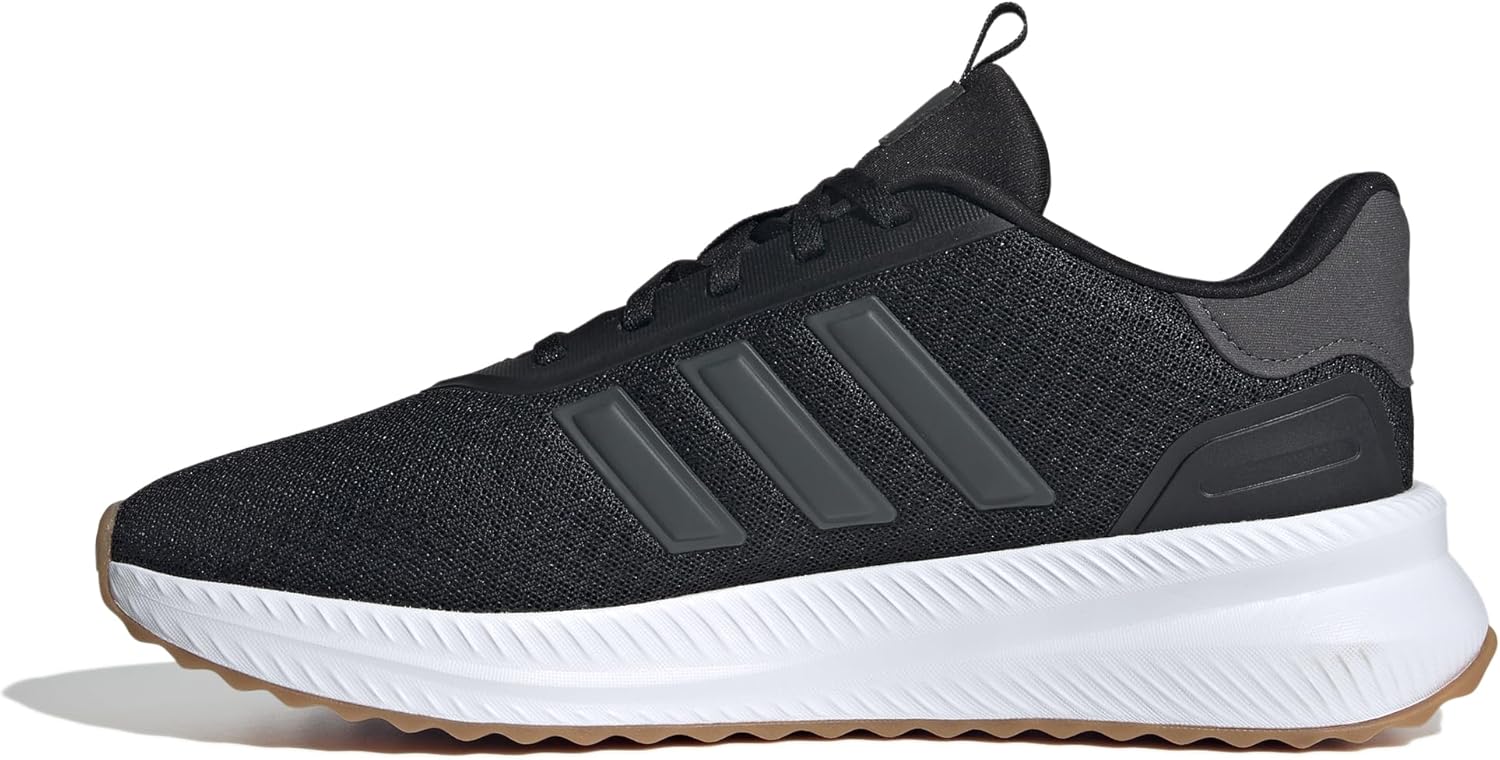
#6. adidas X_PLR Path
The adidas X_PLR Path combines street style with everyday comfort. The Cloudfoam midsole offers soft cushioning that’s perfect for short walks and casual wear. The mesh upper is breathable and lightweight, making it easy to wear all day.
However, the cushioning compresses quickly on longer walks, and the arch support is minimal. The rubber outsole provides decent traction but isn’t designed for rugged terrain. If you want a fashionable sneaker for commuting or light activity, this fits the bill. For serious walking, you’ll want more support.
Pros
- Sleek design
- Lightweight feel
- Good grip
Cons
- Minimal arch support
- Not for long distances
- Sizing varies
Specifications
#7. Generic Slip-On Running Shoes
These slip-on running shoes are a budget-friendly option for light walking and gym sessions. The breathable mesh upper keeps feet cool, and the EVA sole provides decent shock absorption. The slip-on design adds convenience for quick errands.
However, the arch support is minimal, and the cushioning may flatten with heavy use. The generic brand lacks the durability of established names, so expect a shorter lifespan. If you need an inexpensive pair for occasional walks, these work. For daily long-distance walking, invest in a more supportive shoe.
Pros
- Affordable price
- Lightweight design
- Good for casual use
Cons
- Generic brand
- Limited support
- May wear quickly
Specifications
How to Choose Men’s Walking Shoes That Earn Their Keep
A good pair of walking shoes isn’t just about comfort—it’s about protecting your feet, knees, and lower back over thousands of daily steps. The right pair can make errands feel effortless, while the wrong one can turn a short stroll into a day of regret. At a sub-$100 budget, you don’t need to sacrifice quality, but you do need to know where to compromise and where to stand firm.
The Features That Separate a Keeper From a Throwaway
Cushioning that matches your stride
Look for a midsole that feels plush under the heel but isn’t so soft that it feels like a marshmallow. Firm-yet-responsive foam gives you energy return without letting your foot sink and strain your arch. If you press the heel and it compresses easily, it’s likely too soft for all-day wear.
Arch support that doesn’t guess
Most walkers have neutral or flat feet, but cheap shoes often ignore that. A removable insole is your best friend—it lets you swap in your own orthotic if needed. If the built-in arch feels like a hard lump, move on.
Outsole grip for real-world surfaces
Walking shoes face wet sidewalks, gravel, and polished mall floors. Look for a rubber outsole with shallow, multidirectional lugs. A completely flat or overly aggressive tread will either slip or feel clunky. Flex the shoe—it should bend at the ball of the foot, not the arch.
Breathability without flimsiness
Mesh uppers keep feet cool, but they need reinforcement around the heel and toe. Pinch the heel counter—if it collapses easily, the shoe won’t hold your foot securely, leading to blisters. A padded collar and tongue also prevent rubbing.
Weight that disappears
A walking shoe shouldn’t feel like a hiking boot. Aim for something under 11 ounces per shoe. Heavier models fatigue your legs faster, especially if you’re logging miles or standing for hours.
Sticking to your budget
Under $100, you won’t get premium foams or carbon plates—and that’s fine. Focus on getting a solid midsole, a durable outsole, and a decent upper. Skip gimmicks like “energy-return pods” or “smart” features; they add cost, not comfort. Sales on last season’s models from reputable brands often land squarely in your range.
Pitfalls That Sidetrack Smart Shoppers
-
Buying a running shoe instead of a walker. Running shoes are built for forward impact, not the heel-to-toe roll of walking. They often have overly stiff heels that can cause foot fatigue when you’re not striking at speed.
-
Ignoring the break-in period. Some shoes feel great in the store but stiffen up after 20 minutes of wear. Walk around the house for a few days before committing—if they cause hotspots or pinch, return them. Don’t assume they’ll “stretch out” magically.
-
Chasing the lowest price tag. A $40 pair might seem like a steal, but if it lacks a decent insole or a stable heel, you’ll replace it in three months—or worse, deal with foot pain. Spending a bit more for a proven design is smarter math.
Your Next Step: Best Men’s Walking Shoes, Decided
The lineup above covers every stride style without breaking your sub-$100 budget. For all-day cushioning and zero-fuss wear, the Skechers Go Walk Max Effort and Summits High Range lead the pack—ideal for casual miles and easy slip-on days. The Rockport Eureka is your go-to for a polished, supportive feel on commutes, while the Skechers After Burn M. Fit suits gym-to-street versatility. adidas’ Daily 4.0 and X_PLR Path deliver sporty, breathable comfort for light training, and the budget-friendly slip-ons handle basic errands with ease.
Every option stays under $100, so price isn’t the hurdle—fit is. Match your daily routine to the right pair above, then hit the buttons to lock in today’s best price before stock shifts.
Final 3 Picks: Long Walks, Easy On/Off, and Support
Ready to decide? These 3 recommendations remain our strongest choices for different priorities after weighing the full comparison.
Skechers Summits High Range
- Heel Pillow design
- Air-Cooled Memory Foam
- Machine washable