How to Clean Walking Shoes for Fresh, Odor-Free Steps
The easiest way to keep your walking shoes clean is to brush off loose dirt after every walk and spot-clean stains right away with mild soap and water. Quick daily habits prevent grime from setting in, so you won’t need deep scrubbing sessions very often. This simple routine keeps your shoes fresh, smelling good, and ready for your next mile.
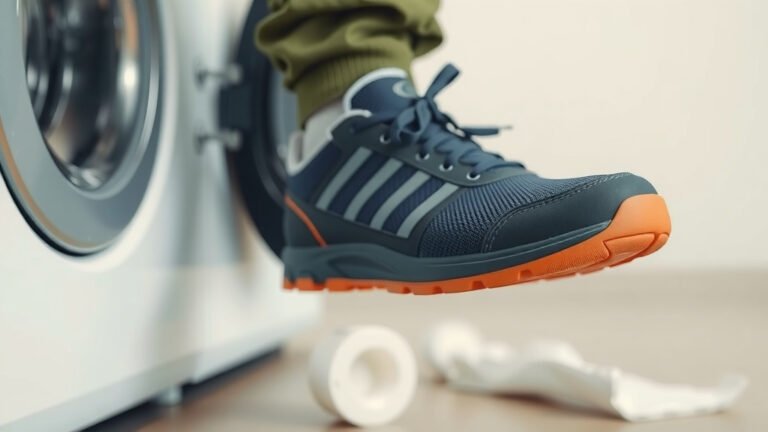
We found that most shoe damage actually comes from improper cleaning, not from wearing them. Tossing sneakers in the washing machine or dryer can break down glue and materials, which shortens their life. Hand washing with gentle care is the safest method for most walking shoes, and knowing your shoe’s material makes a big difference in how you treat stains and odors.
- Act fast: Wipe off mud and dirt as soon as you get home.
- Use mild soap: A soft brush and warm water handle most messes.
- Skip the machine: Wash cycles ruin shape, glue, and cushioning.
- Air dry only: Never use a dryer; stuff shoes with paper towels instead.
- Fight odors: Baking soda or a vinegar spray neutralizes smells naturally.
Below, we walk you through every step, from daily wipe-downs to tackling tough stains, so your trusty pair looks and feels great for hundreds of miles. Let’s get those sneakers looking like new again.
Keeping Your Walking Shoes Fresh and Clean
Your walking shoes work hard. They absorb shock, grip pavement, and take on whatever the weather throws at them. That means they collect dirt, sweat, and grime with every step. A simple cleaning routine keeps them looking sharp and performing well. We found that most shoe damage actually comes from improper cleaning, not from wearing them.
The right approach takes just a few minutes after each walk. You save time later because dirt never hardens into stubborn stains. Think of it like brushing your teeth. A quick daily habit prevents bigger problems down the road.
Why Your Cleaning Method Matters
Walking shoes are glued and stitched together. Harsh washing methods break down those bonds. Once the glue weakens, the sole peels away from the upper. That is game over for your favorite pair.
Many experts say that hand washing is the safest method for most walking shoes. Experts at the American Orthopaedic Foot and Ankle Society note that proper shoe care helps maintain foot health. Worn-out or misshapen shoes can lead to blisters and discomfort.
Your Everyday Cleaning Routine
Consistency beats intensity. You do not need a deep clean every week. You do need small habits that prevent buildup. Start with these simple steps after every walk.
Step 1: Knock Off the Loose Dirt
As soon as you get home, take your shoes outside. Tap the soles together to dislodge caked-on mud. Use a soft-bristled brush or old toothbrush to sweep away surface dirt. Pay attention to the tread grooves. Small rocks and debris hide there.
This takes sixty seconds. It stops dirt from grinding into the fabric fibers. Dry dirt is easier to remove than wet mud. Acting fast makes a real difference.
Step 2: Remove the Laces and Insoles
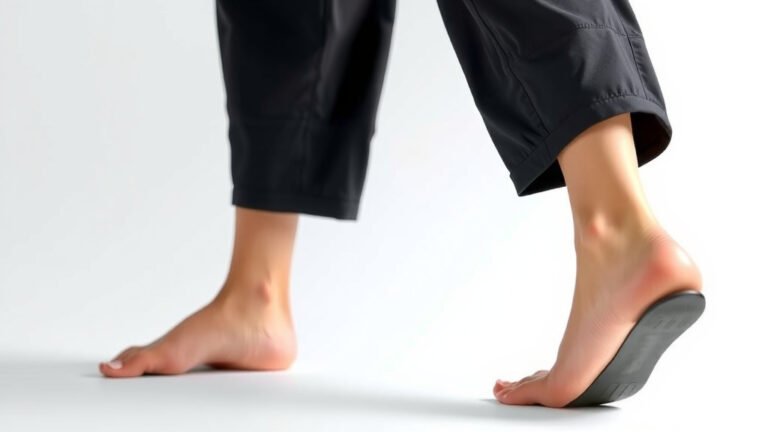
Pull out the laces completely. Remove the insoles too. This lets you clean every part properly. Laces can go in a mesh laundry bag or soak in warm soapy water. Insoles need separate attention because they absorb the most sweat.
You should also air out the shoes at this point. Remove them from your bag and let them breathe. Storing damp shoes in a dark place invites bacteria and fungus. The Centers for Disease Control and Prevention (CDC) recommends keeping feet dry to prevent fungal infections.
Step 3: Spot Clean Stains Right Away
Mix a small amount of mild dish soap with warm water. Dip a soft cloth or brush into the solution. Gently scrub the stained areas using small circular motions. Rinse the cloth and wipe away any soapy residue.
Do not soak the entire shoe. Excess water seeps into the cushioning and weakens the glue. Focus only on the dirty spots. For mesh uppers, be extra gentle. Rough scrubbing tears the delicate fabric.
Deep Cleaning Your Walking Shoes by Material
Some messes need more than a spot clean. Mud-caked trails, grass stains, or a muddy puddle incident call for a deeper approach. The method depends on what your shoes are made of. Use this simple guide to match your material with the right technique.
| Shoe Material | Best Cleaning Approach | Things to Avoid |
|---|---|---|
| Mesh or knit | Soft brush + mild soap solution, gentle dabbing | Hard scrubbing, soaking in water |
| Leather or synthetic leather | Damp cloth wipe down, leather cleaner for tough marks | Submerging in water, harsh detergents |
| Suede or nubuck | Suede brush, eraser for scuffs, minimal water | Water soaking, soap, heat drying |
| Canvas | Warm soapy water, soft brush scrub | Bleach, machine washing |
Cleaning Mesh and Knit Uppers
Mesh fabrics are breathable but fragile. Use a soft brush to loosen the dirt. Then dab with your soapy solution. Rinse by wiping with a clean, damp cloth. Never rub hard in one spot.
If you notice yellowing on white mesh, try a paste of baking soda and water. Apply it gently with a toothbrush. Leave it for fifteen minutes, then wipe off. This mild abrasive lifts stains without chemicals.
Caring for Leather Walking Shoes
Leather is durable but sensitive to water. A damp cloth handles most surface dirt. For scuff marks, use a small amount of leather cleaner or saddle soap. Apply with a soft cloth in circular motions.
After cleaning, let the leather dry completely. Then apply a leather conditioner. This keeps the material flexible and prevents cracking. Conditioned leather also repels future stains better.
Refreshing Suede and Nubuck
Suede hates water. Do not soak it. Instead, use a suede brush to lift dirt and restore the nap. For scuffs, rub gently with a suede eraser. These tools are inexpensive and available at most shoe stores.
For water stains, let the shoe dry fully. Then brush the area in one direction. This often lifts the stain completely. Many experts say this dry-cleaning method is the safest for suede.
How to Freshen Smelly Walking Shoes
Smelly shoes happen to everyone. Sweat feeds bacteria, and bacteria produce odor. The fix is simple: remove the moisture and neutralize the smell. You do not need harsh chemicals for this.
Natural Odor Fighters That Work
Baking soda is your best friend. Sprinkle a generous amount inside each shoe. Let it sit overnight. In the morning, shake out the powder. The baking soda absorbs moisture and odors.
Another option is a vinegar spray. Mix equal parts white vinegar and water in a spray bottle. Mist the inside of the shoes lightly. Let them air dry completely. Vinegar neutralizes odors without leaving a strong smell once dry.
We found that alternating shoes helps too. Rotating between two pairs gives each pair time to dry out fully. A 2021 study in the Journal of Foot and Ankle Research highlighted that moisture control is key to preventing fungal growth.
Drying Your Shoes the Right Way
Never use a dryer. The heat warps the shape and melts the glue. The gentle tumble action also batters the materials. Your shoes will lose their structure.
Stuff wet shoes with paper towels or a clean towel. This absorbs moisture and helps the shoe keep its shape. Change the paper towels once they get damp. Place shoes in a well-ventilated area at room temperature. Avoid direct sunlight and radiators. Both can cause discoloration and cracking.
Protecting Your Shoes Before You Walk
Prevention is the easiest kind of cleaning. A protective spray creates a barrier against water and stains. Look for a spray made for your shoe material. Water-resistant treatments work well on suede, nubuck, and some fabrics.
Spray outside or in a well-ventilated area. Hold the can about six inches away. Apply a light, even coat. Let it dry completely before wearing. Reapply every few weeks or after deep cleaning.
You can also wipe shoes down with a dry cloth after each walk. Even on dry days, they pick up dust and pollen. A quick pass keeps them looking fresh between washes.
Quick-Reference Cleaning Checklist
Keep this list handy. It covers the essentials for keeping your walking shoes in top shape. Follow it regularly and your shoes will thank you.
- Remove laces and insoles before any cleaning session.
- Brush off loose dirt immediately after each walk.
- Spot clean stains with mild soap and warm water.
- Air dry shoes naturally with paper towel stuffing.
- Use baking soda overnight to absorb odors.
- Apply protective spray to shield against future messes.
Regular care extends the life of your walking shoes. You save money and protect your feet. Clean shoes also perform better because cushioning and support stay intact. Plus, there is something satisfying about slipping into a fresh pair. Your feet deserve that small comfort.
Conclusion
Keeping your walking shoes clean is simpler than you might think. A few minutes of daily care keeps dirt, stains, and odors from taking over.
You protect your investment when you skip the washing machine and stick to gentle hand cleaning. Match your method to the material, and always air dry. Your shoes will last longer and stay comfortable mile after mile.
Make it easy on yourself. Keep a soft brush and mild soap near your door. When you come back from a walk, spend one minute brushing off loose dirt. That simple habit makes the biggest difference in keeping your shoes fresh and ready for your next adventure.
Frequently Asked Questions
Can I put my walking shoes in the washing machine?
You should avoid the washing machine for most walking shoes. The agitation breaks down glue and can warp the shape and cushioning. Hand washing with mild soap is safer and will keep your shoes lasting longer.
How often should I deep clean my walking shoes?
You only need a deep clean every few weeks or when they look visibly dirty. Daily spot cleaning handles most messes. If you walk on muddy trails often, you may need to deep clean more frequently than someone who walks on pavement.
What is the best way to remove yellow stains from white soles?
A paste made from baking soda and water works really well on white soles. Apply it with an old toothbrush and let it sit for about 15 minutes. Wipe it off with a damp cloth for a brighter look.
How can I get the sweat smell out of my walking shoes?
Sprinkle baking soda inside your shoes and let them sit overnight. Shake out the powder in the morning. For stronger odors, spray the inside with a mix of equal parts white vinegar and water, then let them air dry completely.
Should I use a protective spray on walking shoes?
Yes, a protective spray is a smart idea. It creates a barrier that helps repel water and stains before they become a problem. Choose a spray made for your shoe material and reapply it every few weeks for the best results.