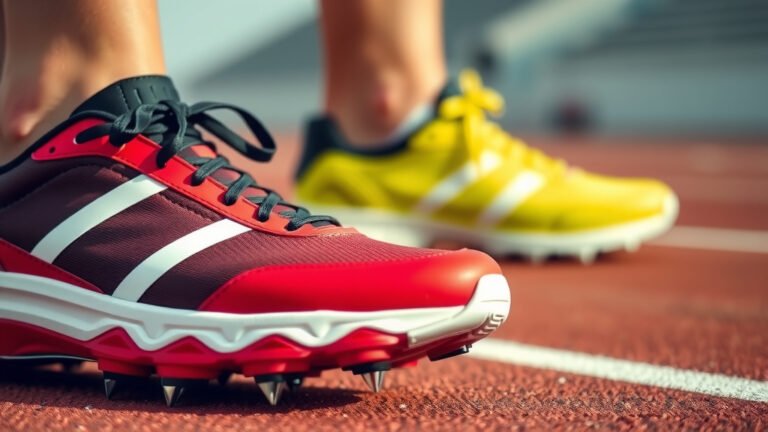

Running Arch Pain Causes: What You Need to Know
Arch pain while running often happens due to overuse, improper footwear, or a sudden increase in your running mileage. Your arch muscles and tissues can get strained from too much stress. It’s your body’s way of saying, “Whoa there, speed demon!”
We’ve found that common culprits include issues like plantar fasciitis, which is inflammation of the band of tissue running across your foot’s bottom. Flat feet or high arches can also play a role in how your foot handles impact. Sometimes, it’s just a simple matter of needing better support.
- Overuse from too much running
- Wearing the wrong shoes
- Sudden jumps in mileage
- Issues like plantar fasciitis
- Foot structure (flat or high arches)
Let’s walk through the most common reasons your arch might be barking at you after a run and what you can do about it.
Why Your Arches Hurt When You Run
It’s frustrating, isn’t it? You lace up your shoes, ready to hit the pavement, and then BAM! Your arches start screaming. We’ve all been there. Understanding what’s causing that pain is the first step to getting back to pain-free running.
Often, arch pain is a sign that your foot is dealing with more stress than it’s used to. Think of your foot’s arch as a spring. It absorbs shock. When that spring is overloaded or not supported correctly, it can become inflamed and painful (Cleveland Clinic).
Let’s dive into the common reasons you might be experiencing arch pain after your runs. You’re not alone in this, and there are solutions!
Overuse and Sudden Training Changes
Your body needs time to adapt. When you suddenly ask it to do more than it’s prepared for, it can complain. This is especially true for your feet and their arches.
Too Much, Too Soon
Did you recently ramp up your mileage? Maybe you added extra speed work or hills? Your arch muscles, ligaments, and tendons need to build strength gradually. If you increase your weekly mileage by more than 10%, you might be setting yourself up for trouble (American Academy of Orthopaedic Surgeons). This sudden demand can strain the tissues in your arch.
Not Enough Rest
Rest days are just as important as running days. Your body repairs and rebuilds itself during rest. If you’re running hard every single day, your arches might not get the downtime they need. This consistent stress can lead to overuse injuries.
Footwear Fails: The Shoes You Wear Matter
Your running shoes are your primary defense against impact. When they aren’t doing their job, your feet take the hit. This is a huge contributor to arch pain.
Worn-Out Shoes
Running shoes lose their cushioning and support over time. Even if they look okay on the outside, the internal structure breaks down. Most running shoes last between 300-500 miles. Running in shoes past their prime means you’re absorbing more impact directly through your feet.
Lack of Support
Different feet need different kinds of support. If you have flat feet, you might need shoes with more stability to prevent your arch from collapsing inward. If you have high arches, you might need shoes with extra cushioning to absorb shock. Wearing neutral shoes when you need stability, or vice-versa, can cause your arch to work harder than it should.
Improper Fit
Shoes that are too tight or too loose can cause problems. Too tight, and it can pinch the muscles and nerves. Too loose, and your foot slides around, creating friction and strain.
Your Foot’s Natural Structure
The shape of your feet plays a big role in how they handle the stress of running. Sometimes, a naturally occurring foot structure can make you more prone to arch pain.
Flat Feet (Low Arches)
When you have flat feet, the arch of your foot is very low or doesn’t exist. This means your foot rolls inward more than usual when you run (pronation). This can put extra strain on the muscles and ligaments supporting your arch, leading to pain.
High Arches
Conversely, high arches mean the arch of your foot is very pronounced. This can create less surface area to distribute impact. Your heel and the ball of your foot might end up absorbing more of the shock. This can also lead to strain on the arch and the plantar fascia.

Specific Conditions Causing Arch Discomfort
Sometimes, arch pain is a symptom of a more specific condition. Knowing what it might be can help you seek the right treatment.
Plantar Fasciitis: The Usual Suspect
This is probably the most common cause of arch and heel pain. The plantar fascia is a thick band of tissue that runs from your heel bone to your toes. When it becomes inflamed or irritated, it causes sharp pain, especially with your first steps in the morning or after a run. Overuse, tight calf muscles, and improper footwear are frequent triggers.
Stress Fractures
Though less common, tiny cracks can form in the bones of your foot due to repetitive stress. This can feel like a deep ache in your arch. It often worsens with activity and improves with rest.
Tendonitis
Tendons connect muscles to bones. In your foot, tendons like the posterior tibial tendon run along the inside of your arch and ankle. If these tendons become inflamed from overuse, they can cause arch pain. This pain often feels like a dull ache that worsens during activity.
What Can You Do About Arch Pain?
Don’t let arch pain sideline you for long. Here are some immediate steps and long-term strategies to consider.
Rest and Ice
Give your feet a break from running. Applying ice packs to your arch for 15-20 minutes several times a day can help reduce inflammation and pain.
Stretching
Tight calf muscles and a tight plantar fascia are major culprits. Regularly stretching your calves and doing specific plantar fascia stretches can make a big difference.
Calf Stretches
- Stand facing a wall, place your hands on the wall.
- Step one foot back, keeping that leg straight and heel on the ground.
- Lean into the wall until you feel a stretch in your calf. Hold for 30 seconds. Repeat on the other leg.
Plantar Fascia Stretch
- Sit down and cross one leg over the other.
- Grab the toes of your affected foot and gently pull them back towards your shin.
- You should feel a stretch along the bottom of your foot. Hold for 15-30 seconds. Repeat several times.
Proper Footwear Check
Evaluate your current running shoes. Are they worn out? Do they offer the right kind of support for your foot type? Visiting a specialty running store for a gait analysis can help you find shoes that are a better match.
Consider Orthotics or Inserts
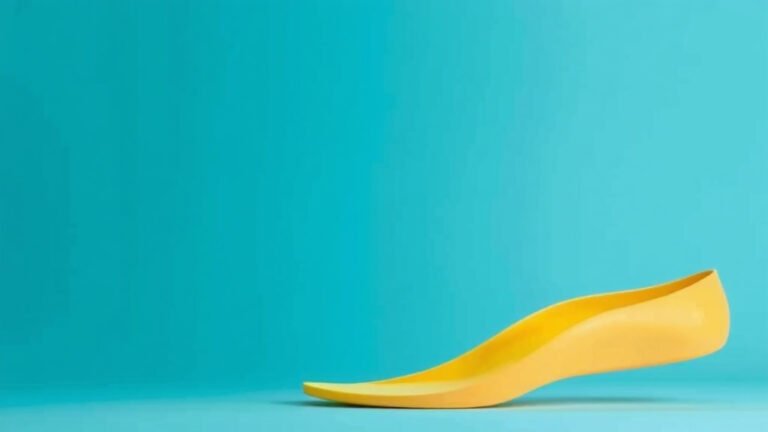
Over-the-counter or custom orthotic inserts can provide extra support for your arch. They can help control pronation or add cushioning, depending on your needs.
Strengthen Your Feet
You can do simple exercises to build strength in your foot muscles. Try picking up small objects with your toes or walking on your tiptoes for short distances.
Listen to Your Body
This is the most important advice. If you feel pain, don’t push through it. It’s your body’s signal that something is wrong and needs attention. Gradual increases in training, proper footwear, and attention to your body’s signals are key to staying on the road.
Conclusion
Dealing with arch pain after a run can be tough, but understanding its causes is your first step to recovery. We’ve seen that everything from sudden training increases and worn-out shoes to your foot’s natural structure can contribute. Remember, your body is telling you something. Don’t push through pain; instead, use this knowledge to make smart choices about your training and gear. Your next step is to listen to your body and implement the rest, stretching, and footwear adjustments we discussed to get back to enjoying your runs pain-free.
Frequently Asked Questions
How long should I rest if my arch hurts from running?
Generally, it’s recommended to rest from running for at least a few days to a week, or until the pain significantly subsides. If pain persists or worsens, it’s best to consult a healthcare professional. Gentle stretching can often be continued during your rest period.
Can I run through arch pain if it’s not severe?
It’s usually not a good idea to run through arch pain, even if it feels mild. Pushing through can often worsen the underlying issue and prolong your recovery. It’s better to err on the side of caution and let your arch heal properly.
What kind of shoes are best for running with arch pain?
The best shoes depend on your specific foot type and the cause of your pain. For many, shoes offering good arch support and cushioning are beneficial. A visit to a specialty running store for a gait analysis can help you find shoes tailored to your needs.
Are foot strengthening exercises really effective for arch pain?
Yes, foot strengthening exercises can be very effective. They help build support muscles in your feet and ankles, which can reduce the strain on your arch. Simple exercises like toe curls and calf raises can make a difference over time.
When should I see a doctor for arch pain?
You should see a doctor if your arch pain is severe, doesn’t improve with rest and home care, or if you suspect a stress fracture or other serious injury. Persistent pain that interferes with daily activities also warrants medical attention.