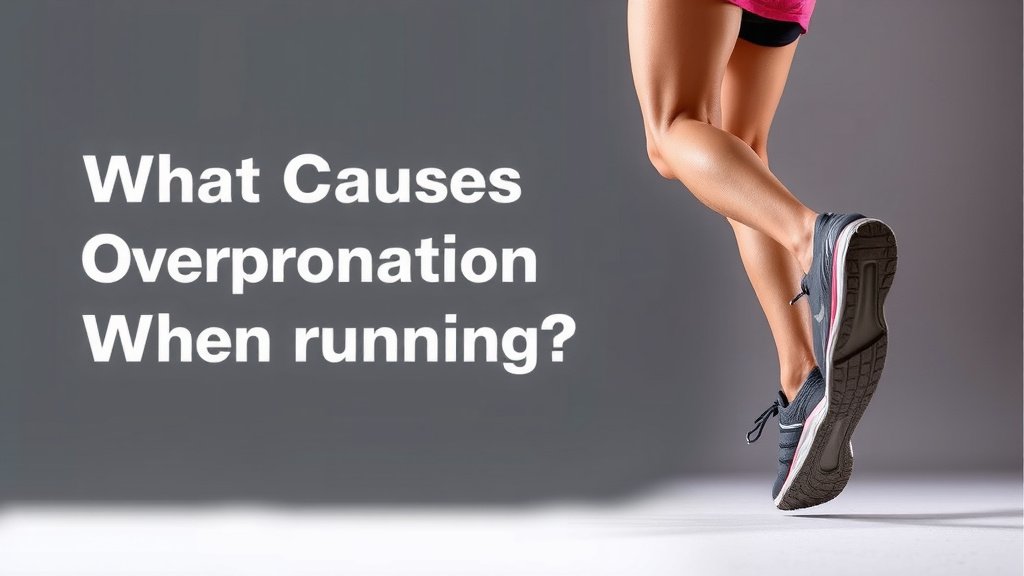
What Causes Overpronation When Running Explained
Pronation while running happens because your foot naturally rolls inward after hitting the ground. This inward roll is your body’s way of absorbing shock. It’s a normal part of how most people run. The degree of this roll is what we often talk about when discussing pronation.
Understanding pronation is key for runners. It helps explain why some runners experience certain types of discomfort or pain. It also plays a role in choosing the right running shoes for your unique foot strike. Many runners wonder if their pronation is “too much” or “too little.”
- Pronation is your foot rolling inward.
- It’s a natural shock absorber.
- It’s part of how most people run.
- How much your foot rolls matters.
- It impacts shoe choice and comfort.
Let’s dig into what causes this natural foot motion during your runs. We’ll break down the common factors that influence how much your foot rolls inward.
What Makes Your Foot Roll Inward When Running?
Understanding why your foot pronates is like learning a bit about your personal running mechanics. It’s not about being “good” or “bad.” It’s just how your body works to absorb the impact of each stride. So, what actually causes this inward rolling motion?
Several factors come into play. Your foot’s natural structure plays a big role. So does the strength and flexibility of your muscles and tendons. Even how you land your foot can influence pronation. We’ll break these down for you.
The Role of Your Foot’s Structure
Think of your foot like a well-engineered bridge. Its arch is designed to flex and adapt. This arch is a key player in how much your foot pronates.
High Arches: The Supinator’s Tendency
If you have a high arch, your foot might not flatten as much when it lands. This can lead to less natural pronation, sometimes called underpronation or supination. When your foot doesn’t roll inward enough, it struggles to absorb shock effectively (N Journal of Sports Medicine).
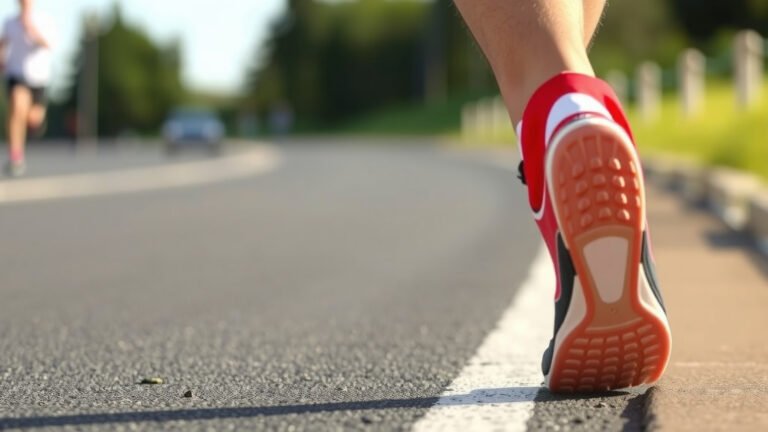
This means more impact travels up your leg. It can put stress on your shins, knees, and hips. You might feel aches after longer runs. Your shoes might also show wear on the outer edges of the soles.
Flat Feet: The Overpronator’s Path
On the other hand, having flat feet often means your arch collapses more. This leads to excessive inward rolling, known as overpronation. Your entire foot may seem to roll inward too far. This can happen because the arch doesn’t provide enough support (American Academy of Podiatric Sports Medicine).
Overpronation can cause strain on ligaments and tendons. It can lead to issues like plantar fasciitis or shin splints. Your shoes might show wear on the inner edge of the sole.
Neutral Arches: The Balanced Approach
Many runners fall into the neutral arch category. Your arch will flatten slightly upon landing. This allows for a good amount of pronation. It helps your foot absorb shock effectively. You likely have a balanced stride.
Runners with neutral arches often have fewer pronation-related issues. Their shoes tend to show even wear. This is generally considered the ideal scenario for shock absorption.
Muscle Strength and Flexibility Matters
Your feet and ankles are supported by a complex network of muscles and tendons. Their strength and flexibility directly impact pronation. Weak muscles mean less control over your foot’s movement.
Weak Ankles and Lower Legs
Muscles in your lower legs, like the tibialis posterior, help control your arch. If these muscles are weak, your arch might drop more than it should. This can contribute to overpronation. Your foot needs strength to guide its movement.
Tight Calves or Achilles Tendons
Tight calf muscles can restrict how your foot moves. This can force your foot to roll inward more to compensate. It limits the natural shock absorption process. You might feel a pulling sensation.
How You Land Your Foot
The way your foot strikes the ground is another piece of the puzzle. This is often referred to as your foot strike pattern.
Heel Striking vs. Midfoot/Forefoot Striking
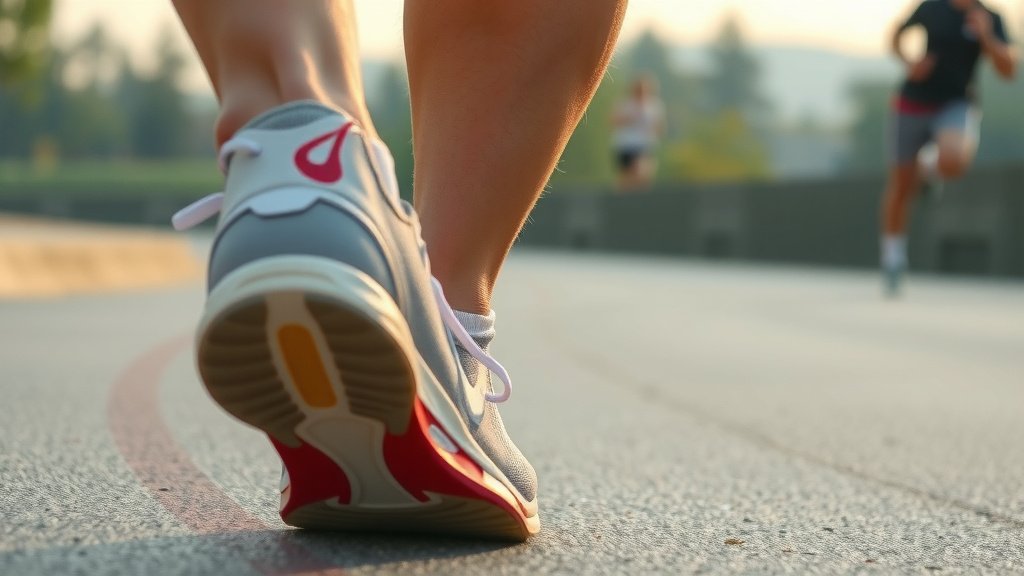
Most runners are heel strikers. They land on their heel first. This initial impact often initiates the pronation roll. The foot then rolls inward to absorb the shock. Your body is designed to handle this.
Midfoot or forefoot strikers land more on the ball of their foot. This landing pattern can sometimes lead to less pronation. Or it might distribute the force differently. It’s a different biomechanical approach.
Other Contributing Factors
Beyond structure and muscle, other things can influence pronation. These are often external or situational.
Footwear Choices
The shoes you wear can significantly impact your pronation. A shoe with too much arch support might prevent needed pronation. A shoe that’s too flexible might allow too much rolling. Your running shoes should complement your foot type.
We found that choosing the right running shoe is a key step for many runners. It can help control excessive pronation or support a flatter foot. Consider consulting a running specialist for advice.
Body Weight
Carrying extra body weight puts more stress on your feet and ankles. This increased load can lead to a greater inward roll. Your body is working harder with each step. This is true for everyday activities too.
Running Surface
The surface you run on can also play a role. Running on hard surfaces like concrete can increase impact. This might encourage more pronation to absorb that shock. Softer surfaces can reduce impact.
Previous Injuries
If you’ve had past injuries to your ankles, feet, or legs, it can affect your gait. Scar tissue or weakened structures might alter how your foot moves. It’s wise to be mindful of this history.
Putting It All Together: Your Unique Gait
Pronation isn’t caused by just one thing. It’s a combination of your body’s natural design, muscle condition, and running habits. Understanding these factors helps you appreciate your body’s mechanics.
It’s about finding what works best for you. Are you looking to improve your running form or find better shoes? Knowing what influences your pronation is the first step. It allows for a more informed approach to your training.
Quick Pronation Checklist for Runners
- Assess your arch height.
- Notice your shoe wear patterns.
- Check for calf and ankle flexibility.
- Consider your landing pattern (heel vs. midfoot).
- Evaluate your current running shoes.
- Listen to your body for any discomfort.
Conclusion
Understanding what causes pronation in your run is about appreciating your body’s mechanics. Your arch height, muscle strength, and even how you land your foot all play a part. It’s not about having “wrong” pronation, but about understanding what’s right for your unique stride. This knowledge helps you make smarter choices for your gear and training.
Your next step is to observe your own running. Notice your arch, how your shoes wear, and if you feel any discomfort. With this awareness, you can better support your body and enjoy every mile you run.
Frequently Asked Questions
Does my foot arch height directly cause pronation?
Yes, your arch height is a primary factor. High arches tend to pronate less (supination), while flat feet often lead to excessive pronation. Your arch’s structure influences how much your foot flattens and rolls inward to absorb shock.
Can weak leg muscles cause overpronation while running?
Absolutely. Weak muscles in your lower legs, especially the tibialis posterior, can lead to a collapsing arch. This lack of support contributes to your foot rolling inward too much, a common cause of overpronation.
How does the way I land my foot affect pronation?
Your foot strike pattern makes a difference. Heel striking often initiates pronation as your foot lands and rolls inward. Landing midfoot or forefoot can alter the forces and sometimes lead to less pronation.
Can the type of running shoes I wear cause pronation issues?
Yes, your footwear can influence pronation. Shoes with too much or too little support can affect how your foot moves. Choosing shoes that match your arch type and pronation tendencies is important for support.
Does body weight play a role in how much my foot pronates?
It certainly can. Carrying extra body weight puts increased stress on your feet and ankles. This added load can lead to a more pronounced inward roll as your body tries to absorb the greater impact.