Choosing the Right Running Shoes for Kids
Choosing the right running shoes for your child is all about finding a balance between comfort, support, and durability. Look for shoes with good cushioning and a flexible sole that allows for natural foot movement. Always involve your child in the selection process to ensure they feel good in their new kicks.
Kids’ feet are still developing, so the right footwear is essential for their active lifestyles. We found that shoes that are too stiff or don’t fit properly can lead to discomfort and potential issues down the road. Prioritizing a shoe that fits well now means happier feet for all their running adventures.
- Fit is king: ensure a snug but not tight fit.
- Check for cushioning and flexibility.
- Consider the intended use (e.g., track, trail, everyday).
- Don’t forget your child’s input!
Ready to find the perfect pair for your little athlete? Let’s walk through exactly what to look for when choosing kids’ running shoes.
Finding the Best Running Shoes for Your Child
Picking the right running shoes for your kid can feel like a big task. You want them to be comfortable and supported. We found that the best shoes offer a great mix of these qualities. Think of it like finding the perfect seat for a movie. It needs to feel good for the whole show, right?
Understanding Kids’ Feet Development
Children’s feet are not just mini adult feet. They are still growing and changing. We found that their arches develop over time. Their feet may also change shape as they get older. This means what worked last year might not be ideal today. It’s why checking the fit regularly is so important.
The Importance of a Proper Fit
A shoe that’s too tight can pinch. One that’s too loose can cause blisters and tripping. We found that there should be about a thumb’s width of space. This is from the tip of their longest toe to the end of the shoe. It allows for natural foot swell. It also gives toes room to wiggle.
How to Measure for the Right Size
Don’t just grab their usual size. Kids’ feet grow fast! We recommend measuring their feet every few months. Have your child stand on a piece of paper. Trace around their foot. Then measure the longest part. Do this for both feet, as they can be different sizes.
What to Look For in the Shoe Itself
When trying shoes on, check the width too. The shoe should feel snug around the midfoot. But it shouldn’t squeeze their foot. You should be able to gently lift the heel. It shouldn’t slip off when they walk. A shoe that feels good when they try it on is key. Many experts suggest letting them walk or jog a bit in the store.
Key Features to Consider
What makes a running shoe great for kids? We looked at a few key elements. These help ensure comfort and proper foot function. It’s about giving their feet the best chance to thrive.
Cushioning: The Shock Absorbers
Running involves impact. Good cushioning helps absorb this shock. This protects your child’s developing joints. We found that shoes with a good midsole are often best. The midsole is the layer between the upper and the outsole. It provides the bounce. More cushion is generally better for running.
Flexibility: Letting Feet Move Naturally
A shoe that bends with the foot is crucial. We found that stiff shoes can restrict natural movement. This can be uncomfortable. Try bending the shoe where your child’s toes bend. It should flex easily at the ball of the foot. It shouldn’t bend in the middle of the arch.
Support and Stability: A Gentle Hand
Some kids might need a bit more support. This depends on their foot type. For most kids, standard support is fine. We found that overly rigid support isn’t usually necessary. It can hinder natural arch development. Focus on a shoe that feels balanced.
Different Types of Running Surfaces
Where will your child be running most? This can influence your choice. Trails need different shoes than a track or pavement.
Road Running Shoes
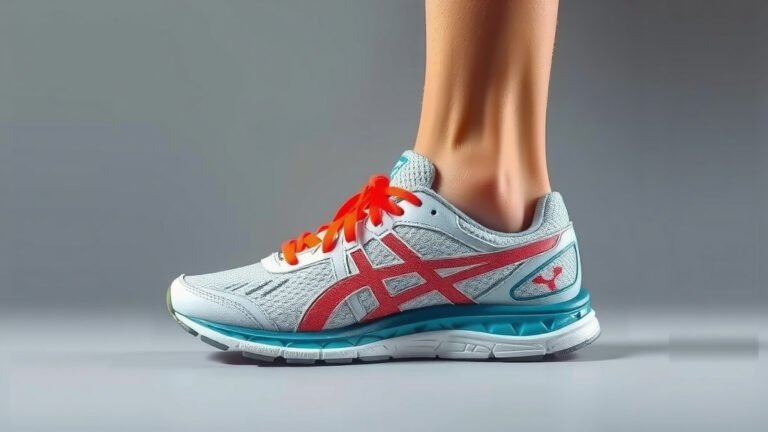
These are the most common. They are built for hard surfaces like sidewalks and roads. They usually have plenty of cushioning. They offer good shock absorption. Many experts say these are perfect for general schoolyard play too. They are typically lightweight and flexible.
Trail Running Shoes
If your child loves exploring nature, consider trail shoes. We found they have deeper treads. This provides better grip on dirt, mud, and uneven ground. They often have a more durable upper. This protects against rocks and roots. They might feel a bit stiffer than road shoes.
Track Spikes (Use Sparingly)
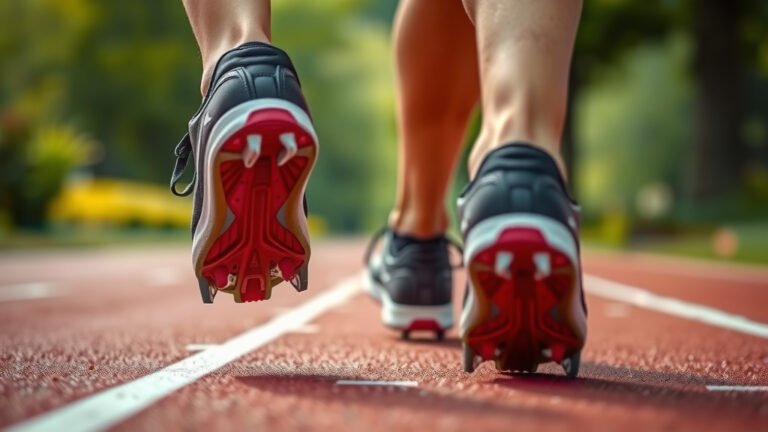
For serious young athletes competing on a track, spikes are an option. However, these are very specialized. We found they are not for everyday wear. They can be uncomfortable and even harmful if used incorrectly. Consult a coach or specialist before buying track spikes.
Material Matters: Breathability and Durability
Kids’ feet get warm! Good running shoes should be breathable. This helps prevent sweat buildup. We found that mesh uppers are excellent for this. They allow air to circulate. Look for durable materials too. Kids can be tough on their shoes. Reinforced areas, like around the toe, are a plus.
Involve Your Child in the Process
This is maybe the most important step! Let your child help choose. What feels good to you might not feel good to them. We found that when kids have a say, they are more likely to wear the shoes. And they’ll actually enjoy running in them! Let them pick the color if there are options.
A Quick Checklist for Shoe Shopping
- Is there about a thumb’s width of space at the end?
- Does the shoe bend easily at the toes?
- Is the heel secure, with no slipping?
- Do the shoes feel comfortable when they walk or jog?
- Does your child like how they feel and look?
- Are they appropriate for where they’ll be running?
Conclusion
You’ve learned how to choose the best running shoes for your child. Remember, a great fit is your top priority. Look for good cushioning and flexibility. Consider where they’ll be running. Most importantly, let your child have a say. When they feel good in their shoes, they’ll be ready for any adventure. Happy running!
Frequently Asked Questions
How often should I buy new running shoes for my child?
Children’s feet grow quickly. You should measure their feet every few months. Plan to replace shoes when they’ve outgrown them or show signs of significant wear. This ensures continuous comfort and support.
Can my child wear their everyday sneakers for running?
While everyday sneakers might work for casual play, they often lack the specific cushioning and flexibility needed for running. Dedicated running shoes offer better shock absorption and support for your child’s developing feet during more intense activity.
What if my child has flat feet? Do they need special shoes?
Some children with flat feet may benefit from shoes offering a bit more support. However, for most kids, standard running shoes with good cushioning and a balanced feel are sufficient. Avoid overly rigid support, which can hinder natural arch development.
Should I buy kids’ running shoes a size larger to accommodate growth?
It’s better to buy shoes that fit well now. Aim for about a thumb’s width of space between their longest toe and the shoe’s end. Buying shoes that are too large can cause tripping and blisters. You can always re-measure and buy a new size when needed.
Are waterproof running shoes necessary for kids?
For most running activities, waterproof shoes aren’t necessary and can make feet too hot. Breathable mesh is usually better for airflow. If your child will be running in very wet or muddy conditions regularly, you might consider water-resistant options, but prioritize breathability.