EVA Foam in Running Shoes: A Buyer’s Guide
EVA foam is a type of synthetic cushioning material found in many running shoes. It’s prized for its lightweight feel and ability to absorb impact. Think of it as the bouncy, shock-absorbing layer that protects your feet on every stride.
You’ll often find EVA foam in the midsole of your running shoes. This is the thickest part between your foot and the ground. Manufacturers use it because it’s flexible and provides great comfort. It’s like walking on clouds, but with better energy return!
- EVA foam is a synthetic cushioning material.
- It’s known for being lightweight and impact-absorbent.
- You’ll find it in the midsole of running shoes.
- It offers great flexibility and comfort.
- EVA foam helps protect your feet during runs.
Let’s dive into what makes this material so popular and how it impacts your running experience. We’ll break down its benefits and what to look for.
Understanding EVA Foam in Your Running Shoes
So, what exactly is this EVA foam we keep hearing about in running shoes? It’s a common material that plays a big role in how your shoes feel and perform. Think of it as the “squish” that makes your run more comfortable.
What Does EVA Stand For?
EVA is short for ethylene-vinyl acetate. It’s a type of plastic that is processed into a foam. This foam is then molded and cut to create the cushioning layers in your athletic footwear. We found that this material is incredibly versatile.
How is EVA Foam Made?
The creation of EVA foam involves a process where ethylene and vinyl acetate are combined. These polymers are then heated and expanded, creating a cellular structure that traps air. This trapping of air is what gives EVA its lightweight and bouncy properties. Many shoe manufacturers choose this material because it’s easy to work with and can be customized.
The Key Benefits of EVA Foam for Runners
You might be wondering why EVA foam is so popular. Well, it offers a few key advantages for anyone hitting the pavement or trails. Let’s break them down.
Exceptional Shock Absorption
One of the biggest reasons runners love EVA foam is its ability to absorb impact. When your foot lands, it creates a shockwave. EVA foam acts like a tiny shock absorber, cushioning that impact before it travels up your leg. We found research indicating that good cushioning can help reduce stress on your joints (NCBI).
Lightweight Feel
Nobody wants to feel like they’re running with bricks on their feet! EVA foam is incredibly light. This helps your shoes feel nimble and responsive. You’ll notice this difference on longer runs when every ounce counts.
Flexibility and Comfort
EVA foam is naturally flexible. This means it moves with your foot as you stride. It doesn’t feel stiff or restrictive. This flexibility contributes greatly to the overall comfort of your running shoes. It allows for a more natural foot motion.
Durability and Responsiveness
While not as dense as some other cushioning materials, EVA foam provides a good balance of durability and responsiveness. It bounces back after compression, giving you energy return with each step. You get a lively feel underfoot. We found that the quality of EVA can vary, impacting its long-term performance.
Where Do You Find EVA Foam in Running Shoes?
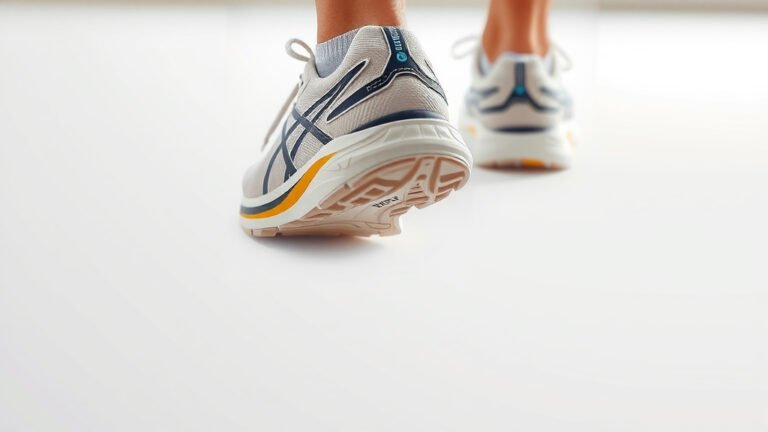
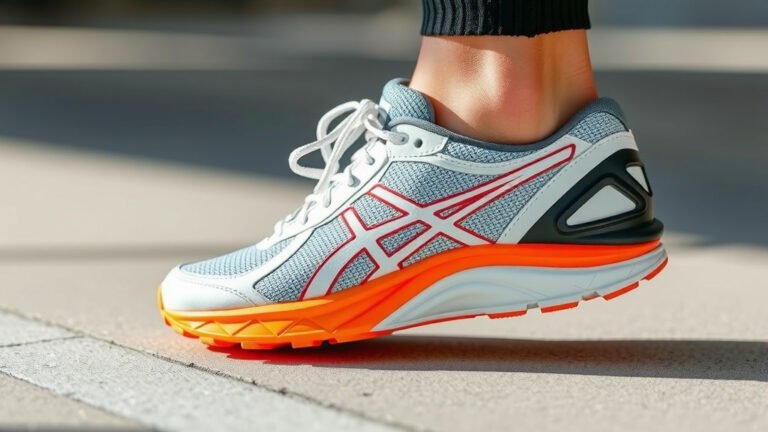
The most common place to find EVA foam is in the midsole of your running shoes. This is the thickest part of the shoe, nestled between the upper (where your foot sits) and the outsole (the part that touches the ground). Its strategic placement is key to its function.
The Midsole: The Heart of Cushioning
The midsole is where the magic happens for cushioning. Manufacturers use different densities and formulations of EVA foam here. Some shoes might use softer EVA for maximum comfort, while others might use firmer EVA for more support and stability. You’ll often see different types of EVA used in different zones of the midsole. This allows for targeted cushioning.
EVA Foam vs. Other Cushioning Materials
While EVA foam is a staple, it’s not the only cushioning material out there. Other foams like PU (polyurethane) and newer proprietary foams are also used. Here’s a quick look at how EVA generally stacks up:
| Material | Pros | Cons |
|---|---|---|
| EVA Foam | Lightweight, good shock absorption, flexible, affordable. | Can compress over time, less durable than some alternatives. |
| PU Foam | Very durable, supportive, good energy return. | Heavier, can feel stiffer. |
| Proprietary Foams (e.g., Boost, ZoomX) | Often offer superior energy return, lighter than PU, very durable. | Can be more expensive, performance varies by brand. |
As you can see, EVA foam offers a great balance for many runners. Its affordability and consistent performance make it a go-to for a wide range of shoes.
What to Look for When Choosing Shoes with EVA Foam
When you’re out shopping for new running shoes, keep EVA foam in mind. Here are a few things to consider to make sure you’re getting the right feel for your feet:
- Feel the firmness: Gently press into the midsole. Does it feel too soft and mushy, or too hard? You’re looking for a comfortable middle ground.
- Consider your running style: Are you a heel striker or a forefoot runner? This might influence the type of cushioning you prefer.
- Check for different densities: Some shoes might use a dual-density EVA foam. This means one part is firmer for stability, and another is softer for comfort.
- Brand variations: Even though it’s EVA, different brands will have their own way of processing it, leading to slightly different feels.
Ultimately, the best way to know if a shoe with EVA foam is right for you is to try them on. How do they feel when you walk and jog around in them?
Taking Care of Your EVA Foam Shoes
To get the most out of your EVA foam running shoes, a little care goes a long way. Here’s a quick checklist:
- Air them out: After a run, remove the insoles and let both the shoes and insoles air dry completely. This prevents odor and helps the foam maintain its structure.
- Avoid extreme heat: Never leave your running shoes in a hot car or near a direct heat source. Excessive heat can degrade the EVA foam.
- Gentle cleaning: If they get dirty, use a mild soap and cool water with a soft brush. Avoid harsh chemicals.
- Rotate your shoes: If possible, have more than one pair of running shoes. Rotating them allows the EVA foam to fully recover between runs. We found that this simple step can significantly extend the life of your shoes (Cleveland Clinic). We found that this simple step can significantly extend the life of your shoes, especially those with EVA foam cushioning.
- Listen to your body: If your shoes start to feel less cushioned or your feet start to ache more, it might be time for a new pair, even if they look okay on the outside.
Conclusion
You’ve now got a solid understanding of EVA foam and its role in your running shoes. This synthetic cushioning is a workhorse, providing that lightweight feel and crucial shock absorption you need for comfortable miles. Remember, it’s all about finding the right balance of firmness and flexibility that works for your stride. When you’re ready for your next pair, pay attention to how the EVA feels. Don’t hesitate to try them on and take a short jog to truly assess the comfort. Your feet will thank you for making an informed choice!
Frequently Asked Questions
How long does EVA foam in running shoes typically last?
EVA foam generally lasts between 300 to 500 miles of running. However, this can vary based on your weight, running surface, and how you care for your shoes. You’ll notice the foam compresses and offers less cushioning over time.
Can EVA foam get wet, and how should I dry it?
Yes, EVA foam can get wet, but you should always let it dry completely afterward. After a run, remove the insoles and air dry your shoes away from direct heat. Prolonged moisture can degrade the foam and lead to odors.
Is EVA foam the best cushioning for all runners?
EVA foam is a great all-around choice, but it’s not the only option. Some runners might prefer the firmer feel of PU or the advanced responsiveness of proprietary foams. Your personal preference and running needs are most important.
Does the color of EVA foam affect its performance?
No, the color of EVA foam does not affect its cushioning performance. Colorants are added during the manufacturing process and do not alter the foam’s physical properties like shock absorption or flexibility.
What’s the difference between EVA and other foams like TPU?
EVA (ethylene-vinyl acetate) is known for being lightweight and flexible, offering good shock absorption at an affordable price. TPU (thermoplastic polyurethane) is generally more durable, offers better energy return, and is less sensitive to temperature changes, but it’s often heavier and more expensive.