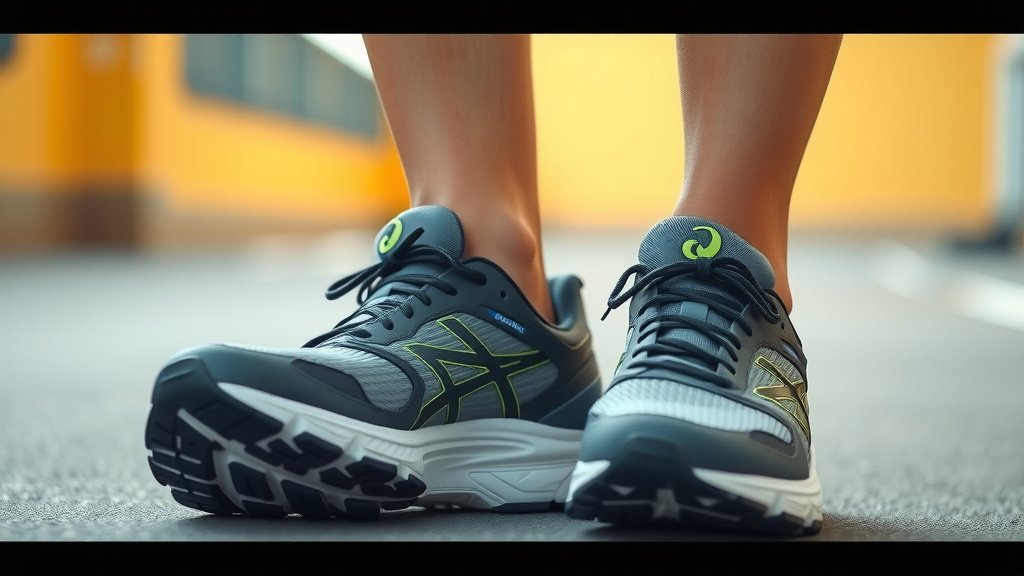
Big Feet Running Shoes: Your Ultimate Buying Guide
Choosing running shoes for big feet is all about finding the right balance of support, cushioning, and proper fit. Don’t let your shoe size discourage you; many brands offer great options. Look for shoes designed for stability if you pronate, or neutral shoes if your stride is even. A well-fitting shoe prevents discomfort and injury.
Finding the perfect running shoe can feel like a treasure hunt, especially when you wear a larger size. We’ve found that focusing on your foot’s unique needs is key. Consider the terrain you run on and your running goals. This guide will help you navigate the options and find shoes that make your runs feel amazing.
- Prioritize support and cushioning for larger feet.
- Ensure a proper, comfortable fit is your top goal.
- Consider your pronation and running surface.
- Don’t be afraid to try different brands and models.
- Ask for expert advice at a running specialty store.
Let’s get you into a pair of running shoes that feel like they were made just for your feet!
Finding the Right Running Shoes for Larger Feet
Choosing running shoes for bigger feet means focusing on a few key areas. You want shoes that offer plenty of support without feeling clunky. Proper cushioning is essential to absorb impact. Above all, the fit must be comfortable right from the start. Many brands now offer wider widths and extended sizes.
Understanding Your Foot Type and Pronation
Before you even look at shoes, it’s good to understand your feet. Do your arches tend to be high, low, or neutral? Your arch type often dictates how your foot rolls inward when you run, which is called pronation. This is a normal part of your gait. Knowing your pronation helps you pick the right type of shoe for support.
Neutral Pronation
If your feet roll inward just the right amount, you likely have a neutral gait. Your foot lands on the outside of the heel. Then it rolls inward to absorb shock. Your arch should look pretty normal. For neutral pronators, neutral running shoes are usually the best choice. These shoes offer good shock absorption. They don’t try to correct your foot’s natural motion.
Overpronation
Overpronation means your foot rolls inward too much. Your arch flattens, and your ankle might wobble inward. This can happen more often with larger feet due to increased pressure. Shoes for overpronation are called stability shoes. They have features like firmer foam on the inside edge. This helps guide your foot into a more neutral position. It can help prevent injuries.
Supination (Underpronation)
Supination is the opposite of overpronation. Your foot doesn’t roll inward enough. The outside of your foot takes most of the impact. This can put stress on your shins and knees. Shoes for supinators are typically neutral shoes. They focus on extra cushioning. This helps make up for the lack of natural shock absorption. Many people with larger feet find they have neutral or slight overpronation.
Key Features for Bigger Footed Runners
When you have larger feet, certain shoe features can make a big difference. Don’t just assume any shoe will work. Look for shoes designed with your needs in mind. We found that paying attention to these details leads to more comfortable runs.
Width Options
This is perhaps the most critical factor for many. Standard widths often feel too snug. Look for brands that offer wide (2E) or extra-wide (4E) options. A shoe that’s too narrow can cause blisters, bunions, and general discomfort. You need room for your toes to splay naturally. Your feet might swell during longer runs, so ample width is a true friend. We found that many brands are improving their width offerings.
Cushioning Level
More mass means more impact force. Therefore, ample cushioning is important for larger runners. This helps protect your joints. It makes your runs feel softer and more comfortable. You don’t necessarily need the softest shoe available. But you do want a shoe that feels protective. Look for descriptions that mention responsive cushioning. This means it absorbs impact well. It also gives some energy back with each step.
Midsole Support and Stability
Even if you have a neutral gait, a bit of midsole support is beneficial. This helps keep your foot stable during the running motion. For those who overpronate, this support is even more vital. Many stability shoes use a “medial post.” This is a denser foam on the inside of the shoe. It gently guides your foot. Research suggests that proper support can help reduce the risk of common running injuries (National Institutes of Health).
Toe Box Room
A roomy toe box is non-negotiable. Your toes should have space to wiggle freely. They shouldn’t feel cramped or pushed together. When you run, your feet expand. If the toe box is too small, your toes will hit the front of the shoe. This can lead to bruised toenails or blisters. We found that shoes with a more rounded or anatomical toe box shape tend to work best for many.
Where to Buy and What to Look For
The best place to start your search is often a specialty running store. The staff there are usually runners themselves. They can analyze your gait. They can measure your feet properly. They know which shoes work well for different foot types and sizes.
The In-Store Experience
When you go to a running store, be prepared to try on several pairs. Don’t be shy about your shoe size. The experts are there to help. They’ll ask about your running habits. They might watch you walk or run. This helps them recommend the right models. Try on shoes late in the day. Your feet are usually a bit larger then. This ensures a comfortable fit throughout your run. Make sure there’s about a thumb’s width of space between your longest toe and the end of the shoe.
Online Shopping Considerations
If you buy online, stick to brands and models you already know work for you. Check the brand’s sizing chart carefully. Read reviews from other runners, especially those who mention foot size or width. Look for stores with good return policies. This allows you to send back shoes that don’t fit right. Many online retailers now offer virtual gait analysis tools. These can offer some guidance.
Shoe Material and Durability
Larger feet can sometimes put more wear and tear on shoes. Look for shoes with durable outsole rubber. The upper material should be breathable but also sturdy. Mesh uppers are common and offer good ventilation. We found that shoes with reinforced areas in high-wear zones tend to last longer. Good quality construction is key for longevity.
Here’s a quick checklist to help you find your perfect pair:
- Check for wide (2E) or extra-wide (4E) options.
- Ensure adequate cushioning for impact absorption.
- Look for a supportive midsole, especially if you overpronate.
- Verify there’s plenty of room in the toe box.
- Try shoes on later in the day for a true fit.
- Don’t be afraid to ask for expert help.
Conclusion
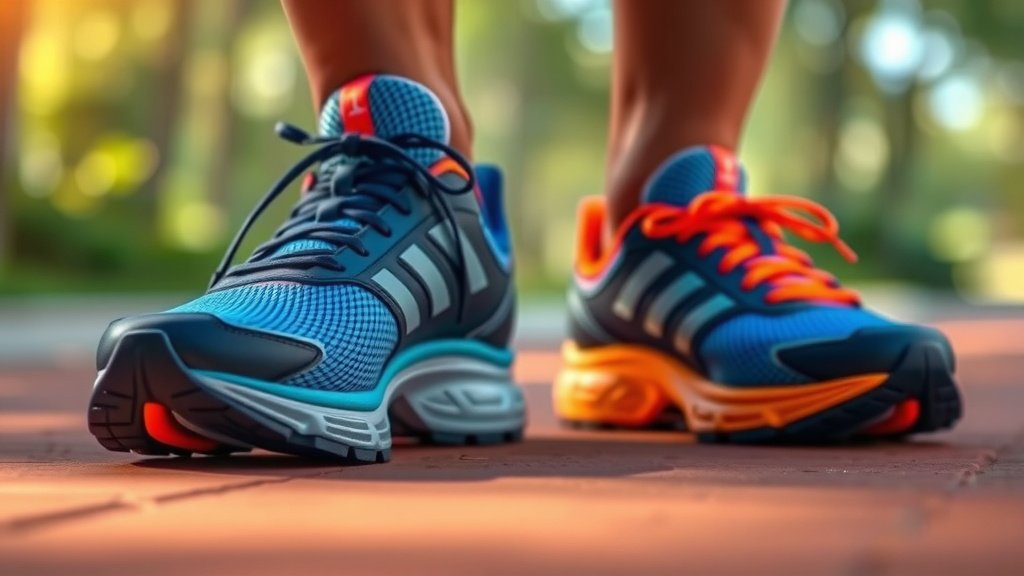
You’ve learned that choosing running shoes for bigger feet isn’t about limitations. It’s about finding the right features that work for you. Prioritizing support, ample cushioning, and a perfect fit are your top goals. Understanding your pronation and opting for shoes with appropriate width options and a roomy toe box will make a huge difference. Your next step is to visit a specialty running store. Let their experts help you try on several pairs. You’ll be hitting the pavement comfortably in no time.
Frequently Asked Questions
Are running shoes for big feet different from regular shoes?
Yes, they often are. Shoes designed for larger feet typically offer more generous width options and enhanced cushioning. They are built to provide better support to handle increased impact. We found these features are key for comfort and injury prevention.
How do I know if I need wide-width running shoes?
If standard shoes feel too tight, especially across the ball of your foot, you likely need wide widths. Your toes should be able to splay naturally without being squeezed. Trying shoes on later in the day can also help determine if a wider fit is necessary, as feet tend to swell.
Should I prioritize cushioning or support if I have larger feet?
It’s a balance, but most larger-footed runners benefit from both. Cushioning absorbs impact, protecting your joints. Support, particularly if you overpronate, helps guide your foot for better stability. Look for shoes that offer a good blend based on your pronation type.
Can I find good running shoes for big feet online?
Yes, you can, but it requires more care. It’s best to buy online if you already know which brands and models fit you well. Always check sizing charts and return policies. Reading reviews from other runners with similar foot sizes can also be very helpful.
How much space should I leave in the toe box?
You should aim for about a thumb’s width of space between your longest toe and the end of the shoe. Your toes should be able to wiggle freely. This prevents issues like bruised toenails and blisters, especially on longer runs when your feet expand.