Finding the Right Running Shoes: A Buyer’s Guide
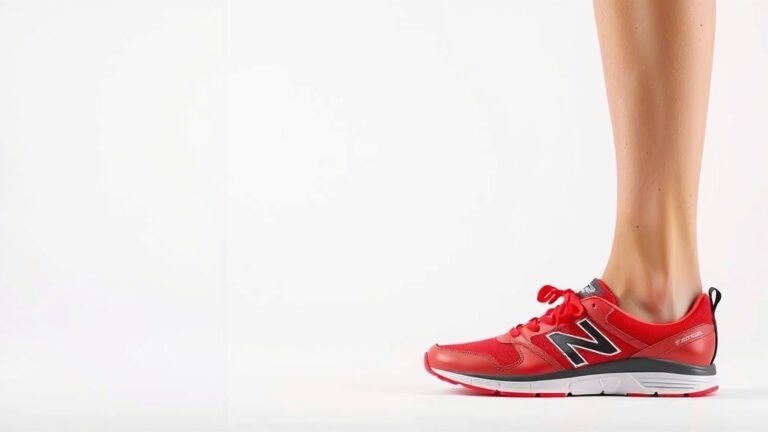
When picking running shoes, look for a comfortable, snug fit that doesn’t pinch or rub. Your shoes should feel **supportive yet flexible**, with enough room in the toe box for your foot to splay naturally. Finding the right pair means paying attention to how they feel the moment you put them on; comfort is king.
Beyond basic comfort, consider the type of running you do. Different shoes are built for different terrains and gaits. Whether you’re hitting the trails or pounding the pavement, the right shoe can help prevent injuries and make your runs more enjoyable. We found that understanding your foot type is also key to choosing shoes that offer the best support and **cushioning**. Understanding your foot type is key to choosing shoes that offer the best support and cushioning; learn how your foot strike affects shoe choice.
- Fit snug, not tight.
- Toe box needs wiggle room.
- Consider your running style.
- Terrain matters for shoe choice.
- Comfort and support are key.
Ready to find your perfect pair? Below, we’ll guide you through exactly what to look for in running shoes to make your miles happier.
Finding Your Perfect Running Shoe Fit
Choosing the right running shoes is like finding a great dance partner. They need to support you, feel good, and let you move naturally. We’ve researched what makes a running shoe great, and it all starts with how it feels on your feet.
The Feel Test: What to Notice Immediately
The moment you slip a shoe on, pay attention. Does it feel instantly comfortable? Or is there a pinch, a rub, or a weird pressure point? Your gut feeling is often right. You don’t want to break in running shoes; they should feel good right out of the box. Experts agree that immediate comfort is a huge indicator of a good match.
Width and Volume
Your foot needs space to breathe and expand, especially during longer runs. Make sure the shoe isn’t too narrow. You should be able to wiggle your toes easily. If the shoe feels tight across the widest part of your foot, it’s probably not the right one. Many shoe brands offer different widths, so don’t settle for a shoe that feels cramped. We found that proper width support can prevent common issues like bunions and blisters.
Heel Fit
Your heel should feel secure, not like it’s going to slip out with every step. A little bit of gentle hug is good. Too much slipping means you might get blisters or feel unstable. Conversely, it shouldn’t feel like your heel is being squeezed too hard.
Understanding Your Foot and Gait
Everyone’s foot is a little different. Knowing your foot type helps narrow down the options. This means looking at your arch height and how your foot lands when you run.
Arch Type: High, Medium, or Flat
You can check your arch by doing a “wet test.” Wet the bottom of your foot and step onto a piece of paper or a dry surface. If you see a full footprint, you likely have flat feet. A very thin line connecting the heel and toe means you probably have high arches. A normal arch will show about half of your foot’s arch.
- Flat feet (low arches): These feet tend to roll inward (pronate) more. You might benefit from shoes with extra stability features to help guide your foot.
- Normal arches (medium arches): You likely have a balanced stride. Shoes with good cushioning and a bit of flexibility should work well for you.
- High arches: Your feet may not roll inward enough (underpronate). You’ll likely need shoes with plenty of cushioning to absorb impact.
Gait Analysis: How You Run
Gait analysis involves watching how your foot moves from the moment it hits the ground to when it pushes off. Many specialty running stores offer this service for free. They’ll watch you run on a treadmill or even outside.
- Neutral Pronation: Your foot lands on the outside of the heel and then rolls inward slightly to absorb shock. Most runners fall into this category.
- Overpronation: Your foot rolls inward excessively after landing. This is common with flat feet and may require stability shoes.
- Supination (Underpronation): Your foot doesn’t roll inward enough, or even rolls outward. This is common with high arches and means you need shoes with excellent cushioning.
Shoe Features to Consider
Once you have a handle on your foot type, you can look at the specific features of running shoes. These details can make a big difference in comfort and performance.
Cushioning Level
This refers to how much soft material is in the midsole of the shoe. It’s designed to absorb shock and provide comfort.
- Minimalist shoes: Very little cushioning, designed to mimic barefoot running.
- Moderate cushioning: A good balance for many runners.
- Maximalist shoes: A lot of cushioning, often preferred for long distances or by those who need extra shock absorption.
We found that the amount of cushioning needed often depends on personal preference and the type of running you do. For example, trail running might call for a different cushioning feel than road running.
Flexibility vs. Stability
Flexibility allows your foot to move naturally. Stability shoes have features that help control the foot’s motion, especially for overpronators. Think of it like this: a flexible shoe lets your foot bend and flex easily. A stability shoe helps guide your foot through a more controlled motion. Many experts say a shoe should bend at the ball of your foot, not in the middle of the arch.
Drop: Heel-to-Toe Offset
This is the difference in height between the heel and the forefoot of the shoe. A higher drop (e.g., 10-12mm) means the heel is significantly higher than the forefoot. A lower drop (e.g., 0-4mm) means the shoe is more level. Research suggests that a lower drop can encourage a more natural foot strike, but it requires your calf muscles and Achilles tendon to work harder (American Podiatric Medical Association).
Where and How to Try On Shoes
The actual process of trying on shoes matters. Don’t rush it, and go at the right time.
Shop Later in the Day
Your feet tend to swell throughout the day, just like they do when you’re running. Shopping for shoes in the afternoon or evening means you’re trying them on when your feet are at their largest. This gives you a more accurate sense of fit.
Bring Your Running Socks
Always wear the type of socks you typically run in when trying on new shoes. Running socks can be thicker than everyday socks, and this difference can affect the fit. It’s a simple step that makes a big difference.
Test Them Out
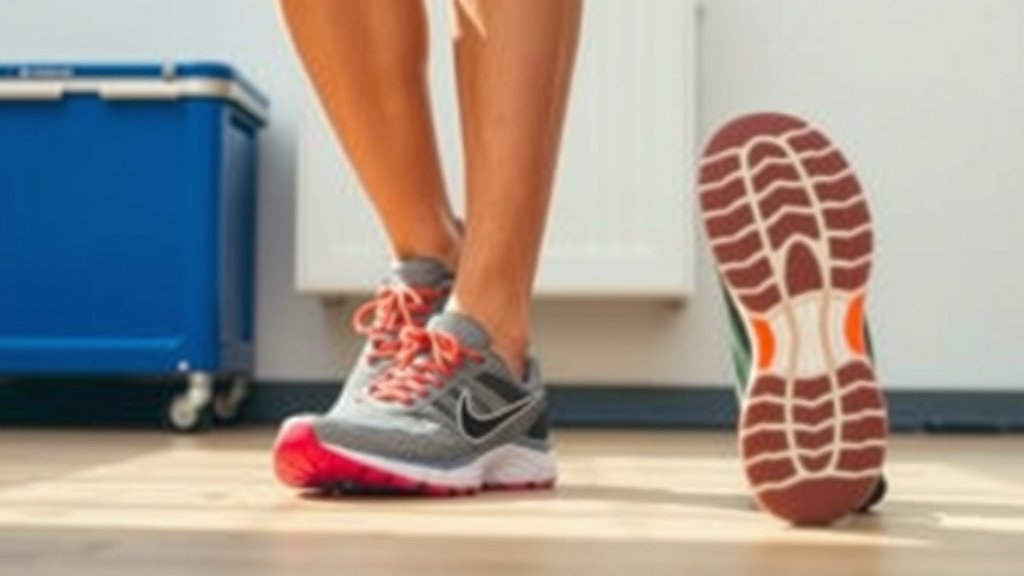
Walk around the store, jog a bit if possible, and even use any treadmills they might have. Pay attention to how they feel during movement, not just when you’re standing still. Are they comfortable when you’re in motion? Do they feel secure?
A Quick Checklist for Your Shoe Shopping Trip
Here’s a handy list to keep in mind:
- No pinching or rubbing anywhere on your foot.
- Toe box room: You can wiggle your toes freely.
- Heel secured: Your heel doesn’t slip up and down.
- Comfortable arch support for your foot type.
- Right flexibility/stability for your gait.
- Feel good for your intended running (road, trail, etc.).
Conclusion
Finding the right running shoes is all about listening to your feet. Remember, immediate comfort is your best guide. Pay attention to how the shoe fits your width, secures your heel, and supports your unique arch type and gait. Don’t overlook the importance of cushioning and flexibility that match your running style and the terrain you frequent. By following these steps and trying them on properly, you’re setting yourself up for happier, healthier miles. Your next step? Head to a reputable running store and start that feel test – your feet will thank you!
Frequently Asked Questions
Do I need to break in new running shoes?
Generally, no. Good running shoes should feel comfortable right out of the box. While a very minor adjustment period might occur, you shouldn’t experience pinching or rubbing that requires significant “breaking in.” If a shoe feels uncomfortable initially, it’s likely not the right fit for you.
How much space should I have in the toe box?
You should have about a thumb’s width of space between your longest toe and the end of the shoe. This allows your feet to splay naturally as you run without hitting the front of the shoe. You should be able to wiggle your toes freely.
Can I use my everyday shoes for running?
It’s not recommended. Everyday shoes are designed for walking and casual wear, lacking the specific cushioning, support, and flexibility needed for the impact and repetitive motion of running. Using them can increase your risk of injury.
What’s the difference between road and trail running shoes?
Road running shoes are designed for smooth, hard surfaces and offer good cushioning and flexibility. Trail running shoes have more aggressive tread for grip on uneven terrain, are often more durable, and may offer enhanced protection from rocks and roots.
When is the best time to buy running shoes?
The best time to try on running shoes is later in the day, ideally in the afternoon or evening. Your feet naturally swell throughout the day, mimicking the slight swelling that occurs during a run. This ensures you get a fit that remains comfortable even after miles.