Foot Shape and Your Perfect Running Shoe Match
Yes, your foot shape can absolutely affect your running shoe choice. Finding the right shoe means considering your unique arch height and foot flexibility to ensure comfort and prevent injuries. Ignoring your foot’s natural structure can lead to common running pains like shin splints or plantar fasciitis.
Many runners overlook this vital step, leading them to shoes that don’t support their gait properly. We found that understanding whether you have a high arch, neutral arch, or flat foot is key. This knowledge helps you select shoes designed to provide the right amount of cushioning and stability for your stride. Our guide to choosing running shoes by foot strike explains how your gait impacts shoe needs.
- Your foot’s arch height matters for running shoes.
- High arches need more cushioning; flat feet need more support.
- A neutral arch often works with a wide variety of shoes.
- Choosing the right shoe can prevent common running aches and pains.
Let’s walk through exactly how your foot shape plays a role and what you should look for in your next pair of running shoes.
Why Your Foot Shape Demands Specific Running Shoes
Choosing running shoes isn’t just about picking a color you like. Your foot’s natural shape plays a huge role. It directly impacts how you run and how your body handles the stress. We’ve found that understanding your arch height is the first step. It helps you find shoes that work with your feet, not against them.
Ignoring this can lead to discomfort and even injury. Think of it like wearing ill-fitting clothes; they just don’t feel right. Your feet deserve shoes that are tailored to their unique needs. This is where understanding your arch type becomes your superpower.
Understanding Your Arch Type: The Foundation of Your Choice
The arch of your foot acts like a natural shock absorber. Its height and flexibility influence your gait. We can generally categorize arches into three main types: high, neutral, and flat. Knowing which category you fall into is key to selecting the best running shoes for your stride.
High Arches: The Cushioned Seekers
If you have high arches, your feet might not flatten much when you stand. You might see a significant curve on the inside of your foot. Many experts say this type of foot can sometimes be less flexible. This means it might not absorb shock as effectively on its own. Running shoes for high arches should offer ample cushioning. This extra padding helps make up for the foot’s natural shock absorption. You’ll want shoes that feel soft and forgiving underfoot.
Flat Feet: The Support Demanding Striders
People with flat feet often have arches that are very low or even non-existent. When you stand, your entire sole might touch the ground. Your foot may also roll inward excessively when you run. This is known as overpronation. For flat feet, the primary goal is to provide stability and support. We found that shoes with motion control or stability features are often recommended. These shoes help guide your foot into a more neutral motion. They prevent that excessive inward roll.
Neutral Arches: The Versatile Voyagers
A neutral arch is somewhere in the middle. You’ll see a distinct curve on the inside of your foot, but it’s not extremely high or flat. When you run, your foot likely lands on the outside of the heel and then rolls slightly inward to absorb shock. This inward rolling motion is called pronation, and it’s a normal, healthy movement. Runners with neutral arches typically have a wide range of shoe options. They often do well in shoes that offer a blend of cushioning and flexibility. This is often called a “neutral” shoe category.
How to Determine Your Arch Type: The Wet Foot Test
Finding out your arch type is surprisingly simple. You can perform the “wet foot test” at home. All you need is a piece of paper or cardboard and some water.
- Wet the bottom of your foot thoroughly.
- Step firmly onto the paper.
- Lift your foot and examine the imprint left behind.
Interpreting the Imprint
High Arch: You’ll see a very thin line, or possibly no line at all, connecting your heel and the ball of your foot. This indicates a significant gap where your arch should be.
Flat Foot: You’ll see a nearly complete imprint of your entire foot. There will be very little, if any, inward curve visible.
Neutral Arch: You’ll see a clear imprint of your heel and the ball of your foot, connected by a distinct band that is about half the width of your foot. This shows a moderate arch.
Beyond Arch Height: Other Foot Factors to Consider
While arch height is a primary driver, other foot characteristics can influence your shoe choice. It’s always good to consider these too.
Foot Flexibility
Some feet are naturally more flexible than others. A very flexible foot might collapse more easily, potentially leading to overpronation, even with a seemingly neutral arch. If your foot feels very bendy, you might need more stability. We found that stiff feet might benefit from more cushioning to help with shock absorption.
Foot Width
Do your feet feel cramped in standard-width shoes? Many brands offer shoes in wide or extra-wide widths. Running in shoes that are too narrow can cause blisters, bunions, and general discomfort. Always look for a shoe that allows your toes to splay naturally without feeling squeezed.
Shoe Categories Explained: Matching Foot to Function
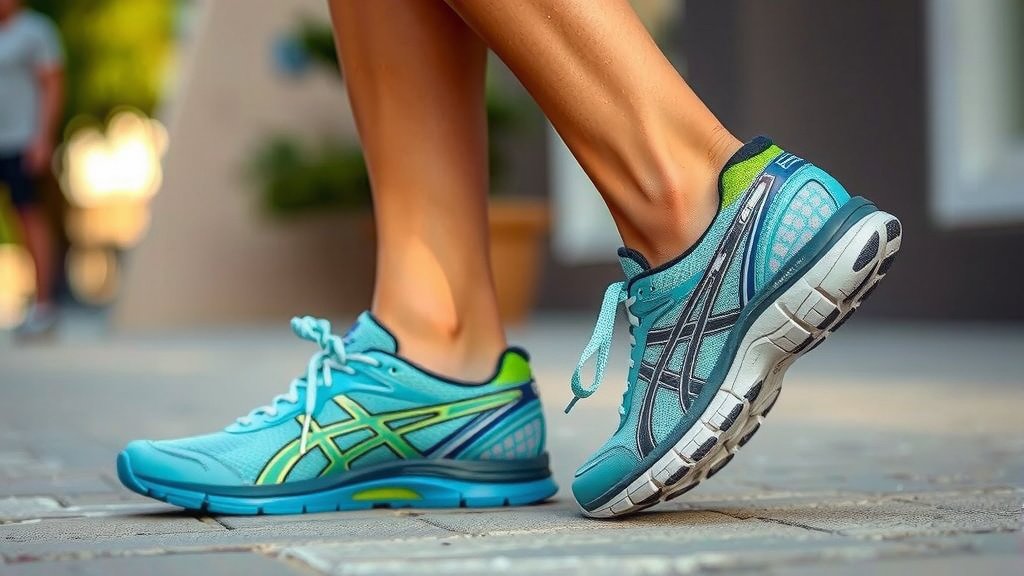
Running shoes are often categorized to help runners find the right fit. Understanding these categories can simplify your shopping experience. We found this makes a big difference for many runners.
| Shoe Category | Best For | Key Features |
|---|---|---|
| Neutral Cushioned | Neutral arches, mild supination (underpronation) | Good shock absorption, flexible feel, balanced cushioning |
| Stability | Mild to moderate overpronation (flat feet) | Supportive midsole, guide rails, firmer foam on the medial side |
| Motion Control | Severe overpronation, very flat feet | Maximum stability, rigid structure, wider base |
| Maximum Cushioning | High arches, runners seeking comfort on long runs | Thick, plush midsole for superior shock absorption |
What About Pronation?
Pronation is the natural inward rolling motion of your foot as it lands. It’s how your body absorbs shock. We’ve learned that understanding your pronation pattern is closely linked to your arch type.
- Neutral Pronation: Your foot rolls inward a healthy amount. Often associated with neutral arches.
- Overpronation: Your foot rolls inward excessively. Common with flat feet. Requires stability or motion control shoes.
- Supination (Underpronation): Your foot doesn’t roll inward enough, or rolls outward. Common with high arches. Needs good cushioning and flexibility.
A Quick Checklist for Your Next Shoe Purchase
Ready to find your perfect pair? Keep this list handy:
- Know your arch height (high, neutral, flat).
- Assess your foot’s flexibility and width.
- Understand your pronation pattern (if possible).
- Consider the type of running you do (road, trail, long distance).
- Prioritize comfort and proper fit above all else.
- Try shoes on later in the day when your feet are slightly swollen.
Conclusion
Your foot’s unique shape is your guide to finding the perfect running shoe. We’ve seen that understanding your arch type—whether high, neutral, or flat—directly impacts the kind of support and cushioning you need. This knowledge helps you avoid discomfort and injuries, allowing you to focus on enjoying your runs. Don’t let ill-fitting shoes hold you back from your best performance. Your next step is to try the wet foot test and visit a running store. Ask for recommendations based on your foot shape and gait.
Frequently Asked Questions
Can I wear my friend’s running shoes if they have the same shoe size?
Even if your shoe size is the same, you shouldn’t necessarily share running shoes. Your friend’s foot shape, arch type, and pronation pattern might be very different from yours. Wearing shoes designed for someone else could lead to discomfort or even injury. It’s best to find shoes specifically suited to your own feet.
Do I need different shoes for road running versus trail running?
Yes, you generally do. Road running shoes prioritize cushioning and a smooth ride on hard surfaces. Trail running shoes offer more aggressive traction, protection from debris, and often more stability for uneven terrain. While some overlap exists, having dedicated shoes for each surface is ideal for comfort and performance.
How often should I replace my running shoes?
Most running shoes last between 300 to 500 miles. After this, the cushioning and support start to break down, even if the shoe still looks good. Paying attention to how your feet feel during runs is key. If you start experiencing new aches or pains, it’s a good sign your shoes are worn out.
What if my feet are wide? Will I struggle to find shoes?
Finding wide running shoes is becoming much easier. Many brands now offer shoes in wide (2E) or extra-wide (4E) options. Don’t force your feet into narrow shoes; this can cause blisters and bunions. Look for models specifically labeled as wide or consult with a specialty running store for their recommendations.
Is it okay if my running shoes feel a little snug at first?
Running shoes should feel comfortable and secure right away, not snug or tight. While some materials might stretch slightly over time, you don’t want to rely on that. Your toes should have room to wiggle and splay naturally. A good fit means comfort from your very first run in them.