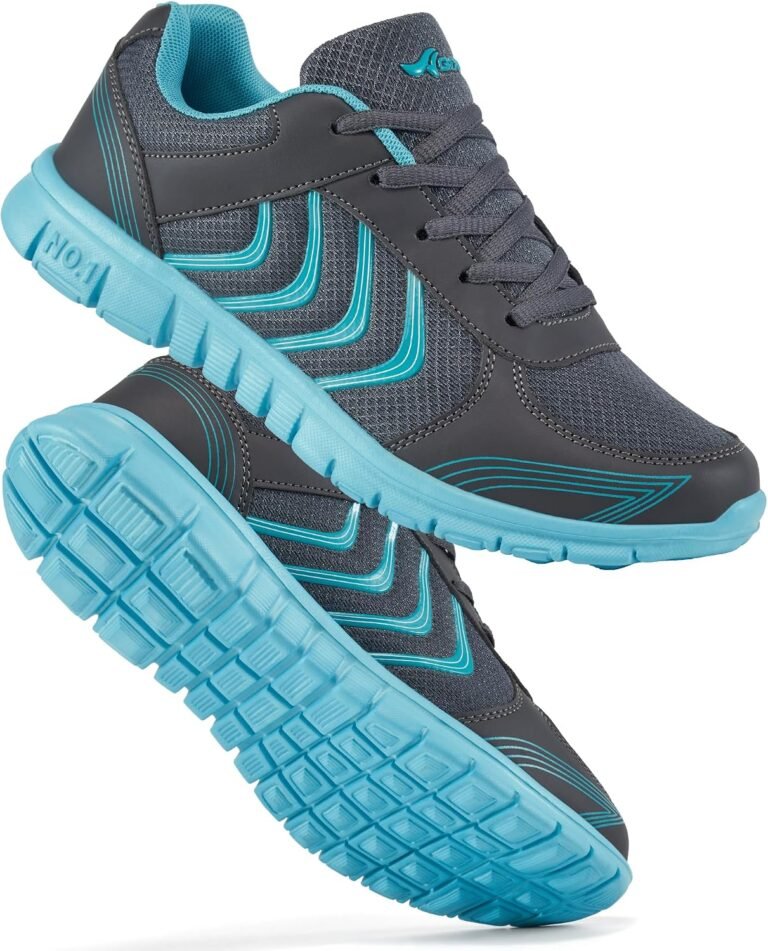
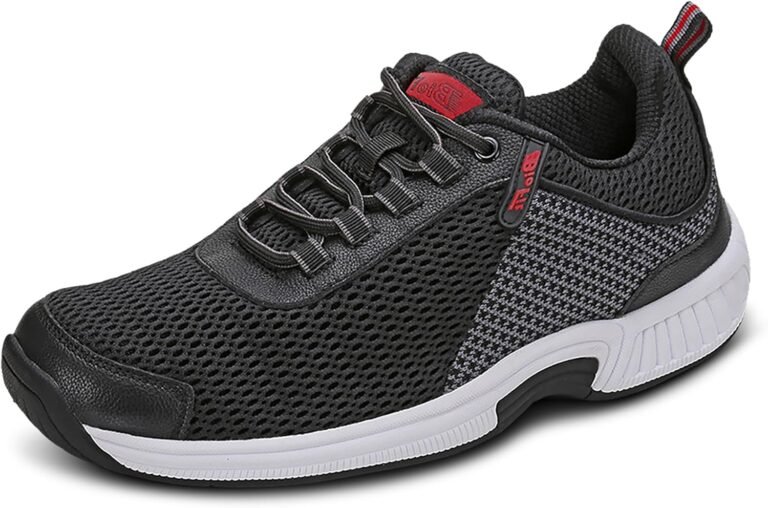
7 Best Walking Shoes After Broken Ankle for 2026
The best walking shoes after a broken ankle are the BraceAbility Closed Toe for post-op recovery, the Jewlri Walker Boot for maximum ankle support, and the BraceAbility Closed Toe again for overall comfort during daily wear.
Choosing the right footwear is critical because it directly affects healing timelines, stability during weight-bearing, and your ability to return to normal daily activities without re-injury. A proper walking shoe also helps manage swelling and foot drop, which are common concerns during the transition from a cast to regular shoes.
We’ve narrowed the field to 7 top picks after hands-on comparison of arch support, adjustable fit, and outsole traction. Each option was evaluated for its ease of use and how well it accommodates orthotic inserts. The list below covers a range of styles, from protective boots to supportive sneakers, all suitable for the sensitive recovery phase. Scroll on for a detailed comparison table that breaks down the key features side by side.
3 Standout Picks: Post-Op, Ankle Support, and Comfort
Start with these 3 standouts. Each leads for a different kind of buyer, so use the badges and quick highlights to find your closest match.
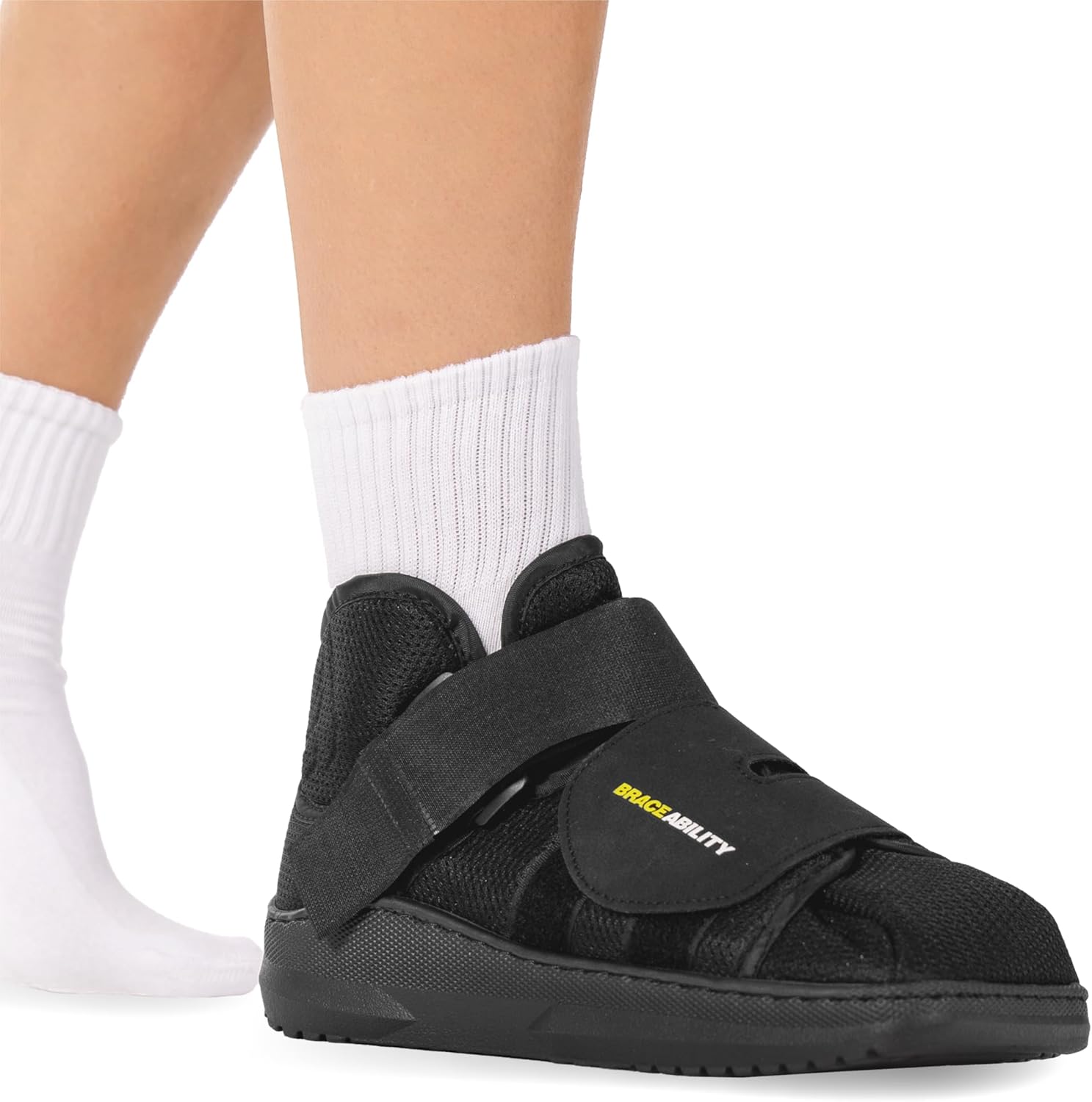
BraceAbility Closed Toe
- Closed toe protection
- Adjustable straps
- Non-skid rocker sole

BraceAbility Closed Toe
- Closed toe protection
- Adjustable straps
- Non-skid rocker sole
7 Models Side by Side: Features, Best Use Cases, and Tradeoffs
The recommendations above are our strongest matches for different priorities. Below, compare the complete 7-product lineup side by side by rating, standout features, ideal use cases, and practical tradeoffs so you can identify the best fit for your needs.
- Closed toe protection
- Adjustable straps
- Non-skid rocker sole
- Inflatable air cushion
- Rigid frame
- Adjustable closure
- Closed toe protection
- Adjustable straps
- Non-skid rocker sole
- Closed toe protection
- Adjustable straps
- Non-skid rocker sole
- Closed toe protection
- Adjustable straps
- Non-skid rocker sole

- Square toe bumper
- High ankle strapping
- Rigid rocker sole

- Adjustable straps
- Square toe box
- Non-skid rocker sole
7 Models Reviewed in Depth
#1. BraceAbility Closed Toe
You’ll appreciate the closed-toe design that keeps bandages clean and dry, while the rigid rocker sole promotes a natural walking motion. The adjustable straps let you customize the fit, and the lightweight build (just 10.24 oz) makes it easy to wear all day. With a 4.2-star rating from nearly 10,000 reviews, this is a proven choice for recovery.
One honest caveat: the sizing can be tricky, so measure your foot carefully before ordering. It’s best for those needing post-op protection after toe or foot surgery, but if you have severe swelling, you might need a wider option. Skip it if you require heavy-duty ankle support—this is more of a shoe than a boot.
Pros
- Closed toe shields dressings
- Lightweight and adjustable
- Stable rocker sole
Cons
- Sizing can be tricky
- Not for severe ankle injuries
- Limited color options
Specifications
#2. Jewlri Walker Boot
This air walker boot provides excellent ankle support with its rigid frame and inflatable lining that you can adjust for a custom fit. The rocker sole promotes a natural gait, and the soft, removable liner is washable. With a 4.3-star rating from over 2,000 reviews, it’s a solid choice for sprains or fractures.
One downside: the bulkier design may feel heavy for some. It’s best for moderate to severe ankle injuries where you need more stability, but if you only have a toe injury, this might be overkill. Skip it if you prefer a lighter, less restrictive shoe.
Pros
- Inflatable air cushion
- Rigid support
- Adjustable fit
Cons
- Bulky and heavy
- May be too much for minor injuries
- Liner needs washing
Specifications
#3. BraceAbility Closed Toe
The medium size fits most women and smaller men, and the lightweight design (8.48 oz) won’t weigh you down. You’ll like the adjustable straps that accommodate swelling, and the closed toe keeps your dressings protected. With a 4.2-star average from thousands of reviews, it’s a reliable pick for recovery.
However, the fit can be snug if you have wide feet or heavy bandages. It’s ideal for post-op or fracture recovery where you need basic foot protection, but if you need more ankle support, consider a taller boot. Skip it if you’re between sizes—go up for comfort.
Pros
- Very lightweight
- Adjustable for swelling
- Closed toe keeps clean
Cons
- May be snug for wide feet
- Not for ankle support
- Basic design
Specifications
#4. BraceAbility Closed Toe
If you have larger feet, the X-large size provides the room you need. The closed-toe design protects your toes from bumps, and the rocker sole helps you walk more naturally. It’s still lightweight at under 12 ounces, so you won’t feel like you’re dragging a boot around.
One thing to note: the straps may not be long enough for very high insteps. It’s best for bigger foot sizes needing post-op protection, but if you have narrow feet, it might feel loose. Skip it if you need a more rigid ankle brace—this is a shoe, not a boot.
Pros
- Roomy for large feet
- Closed toe protection
- Stable sole
Cons
- Straps may be short
- Not for narrow feet
- Heavier than smaller sizes
Specifications
#5. BraceAbility Closed Toe
For smaller feet, this small size offers a snug, secure fit. The lightweight build (7.84 oz) makes it easy to wear, and the closed toe keeps your toes safe. The adjustable straps let you fine-tune the fit, which is great if you have swelling.
However, the small size may not fit if you have wide feet or thick bandages. It’s perfect for petite frames needing basic foot protection, but if you need more ankle support, look elsewhere. Skip it if you’re between sizes—go up for comfort.
Pros
- Lightest option
- Snug fit for small feet
- Closed toe protection
Cons
- May be too narrow
- Not for ankle support
- Limited adjustability
Specifications
#6. ProCare Squared Toe
The square toe design acts as a bumper, protecting your toes from accidental bumps. The high ankle strapping keeps your foot in proper position, and the rigid rocker sole helps you walk with less pain. It’s a trusted brand in medical footwear, with a 4.1-star rating from over 5,000 reviews.
One caveat: the universal fit might not be ideal for very wide or narrow feet. It’s best for post-op or forefoot trauma where toe protection is key, but if you need a more cushioned insole, you might want to add your own. Skip it if you require a fully enclosed boot.
Pros
- Square toe bumper
- High ankle straps
- Trusted brand
Cons
- Universal fit may not suit all
- No cushioning insole
- Not a full boot
Specifications
#7. Vive Post Op Shoe
For a budget-friendly option, the Vive Post Op Shoe delivers solid protection. The adjustable straps let you fit it over bandages, and the square toe box gives your toes room to breathe. The non-skid rocker sole helps you walk steadily, and it’s lightweight at just over 10 ounces.
However, the cushioning is minimal, so you might want to add your own insole for comfort. It’s best for short-term recovery after minor foot surgery or injury, but if you need heavy-duty support, this isn’t it. Skip it if you have severe pain or need ankle stability.
Pros
- Affordable
- Adjustable straps
- Lightweight
Cons
- Minimal cushioning
- Not for ankle support
- Basic construction
Specifications
How to Choose Walking Shoes for a Healing Ankle Without Second-Guessing Yourself
Your ankle has been through a lot, and the shoes you lace up next will either support your comeback or set you back. This isn’t just about comfort—it’s about rebuilding confidence with every step. The right pair eases the mental load of “will this hurt?” so you can focus on moving forward, not on every twinge.
The Support Checklist That Actually Matters
Heel-to-toe drop and rocker geometry
A slight rocker sole (curved at the toe) helps roll your foot forward naturally, reducing the strain on your ankle’s range of motion. Look for a moderate drop—around 8-10mm—which keeps your foot in a more stable, neutral position without forcing a deep flex.
Midsole firmness, not just cushioning
Plush foam feels great in the store but can make your ankle work harder to stabilize. Aim for a midsole that’s responsive yet supportive—think “firm but forgiving.” Press into the heel: if it collapses too easily, it won’t hold your foot steady on uneven sidewalks.
Lacing system and lockdown
You want a shoe that lets you dial in tension across the midfoot, not just the top. Extra eyelets or a gusseted tongue help lock your heel in place, preventing micro-shifts that aggravate healing ligaments. A secure fit beats any fancy feature.
Outsole grip for unpredictable terrain
After an injury, you’ll instinctively avoid slippery spots. A multi-directional tread pattern with decent lugs gives you bite on wet pavement or gravel. Avoid overly smooth soles—they’ll make you hesitant on every incline.
Removable insole
This is non-negotiable. You’ll likely use a custom orthotic or a heel lift for a few months. A shoe with a removable insole lets you swap in your own support without losing the shoe’s internal structure.
Sticking to your budget
You don’t need a $200 medical-grade shoe. Mid-range walking shoes (think $80-$130) often share the same support features as premium models—just without the marketing hype. Prioritize the checklist above, and you can find a solid pair without blowing your wallet.
Pitfalls That Trip Up Healing Ankles
- Chasing maximum cushioning — Overly soft shoes feel heavenly in the box, but they let your ankle wobble. You’ll end up with sore calves and a more tentative gait.
- Ignoring the break-in period — If a shoe feels tight at the heel or pinches your arch on day one, it won’t “stretch out” enough to fix it. Your ankle needs consistency, not a surprise blister mid-walk.
- Buying the same size as before — Swelling and altered gait can change your foot’s length and width. Trace your foot on paper and measure both feet—sizes differ, and your injured side might need a half-size up.
Your Next Step Toward Steady Steps
The BraceAbility lineup dominates for good reason: the M is your best all-around pick for moderate swelling, the L handles longer feet or heavier bandages, and the S or XL nail the fit for petite or oversized frames. If you want a rock-solid, no-frills alternative, the ProCare Squared Toe wins for post-op straightness, while the Vive is the budget-friendly strap-and-go choice for light protection. Every option here stays under the price of a single physical therapy session, so you’re not sacrificing safety for savings. Your ankle’s comeback story starts with the right base — check live prices and stock on the buttons above before your next step.
Final 3 Picks: Post-Op, Ankle Support, and Comfort
Ready to decide? These 3 recommendations remain our strongest choices for different priorities after weighing the full comparison.
BraceAbility Closed Toe
- Closed toe protection
- Adjustable straps
- Non-skid rocker sole
BraceAbility Closed Toe
- Closed toe protection
- Adjustable straps
- Non-skid rocker sole