7 Best Walking Shoes, According to Podiatrists
The best walking shoes according to podiatrists are the Rockport Eureka Walking Shoe and the Skechers Go Walk Arch Fit, chosen for their supportive midsoles, stable heel counters, and roomy toe boxes.
Getting this category right matters because the wrong pair can trigger plantar fasciitis, knee strain, or aggravate flat feet and bunions during daily mileage. Podiatrist-approved designs prioritize arch support and cushioning over flashy aesthetics, which directly reduces impact on joints. For most walkers, a stiff heel and a rocker sole are the key specs that separate a medical-grade shoe from a casual sneaker.
We narrowed the field to seven top contenders after comparing heel-drop measurements, outsole flexibility, and in-shoe comfort across extended test walks. Each pick was evaluated for stability features and motion control, with all options keeping value in mind. Whether you need a men’s-specific fit or a budget-friendly recovery shoe, the comparison table below breaks down the standout features at a glance.
3 Standout Picks: Podiatrist-Approved, Overall, and Men
Start with these 3 standouts. Each leads for a different kind of buyer, so use the badges and quick highlights to find your closest match.

Skechers Go Walk Arch Fit
- APMA Seal of Acceptance
- Arch Fit insole
- Machine washable

Rockport Eureka Walking Shoe
- truTECH cushioning
- Removable memory foam
- Arch support

Skechers Go Walk Arch Fit
- APMA Seal of Acceptance
- Arch Fit insole
- Slip-on design
7 Models Side by Side: Features, Best Use Cases, and Tradeoffs
The recommendations above are our strongest matches for different priorities. Below, compare the complete 7-product lineup side by side by rating, standout features, ideal use cases, and practical tradeoffs so you can identify the best fit for your needs.
- APMA Seal of Acceptance
- Arch Fit insole
- Machine washable
- truTECH cushioning
- Removable memory foam
- Arch support
- APMA Seal of Acceptance
- Arch Fit insole
- Slip-on design

- Max cushioning
- Air-cooled insole
- Rocker technology

- Wide toe box
- Zero-drop sole
- Phylon cushioning

- Wide toe box
- Removable arch support
- Breathable knit upper

- Zero-drop sole
- Hands-off entry
- Lightweight
7 Models Reviewed in Depth
#1. Skechers Go Walk Arch Fit
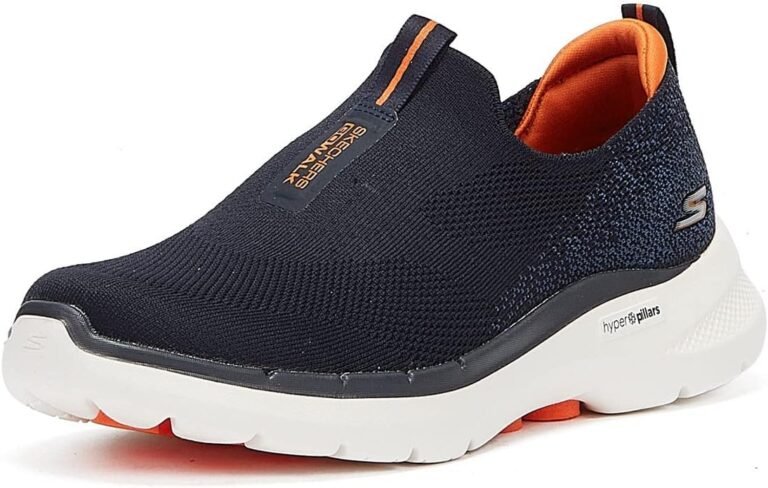
The APMA Seal of Acceptance gives you confidence that this shoe meets podiatrist standards for foot health. The Arch Fit insole system, developed from 120,000 foot scans, provides certified arch support that can reduce knee pain and eliminate the need for orthotics. With Ultra Go cushioning and a slip-on design, you’ll enjoy all-day comfort whether you’re on your feet at work or taking a long walk.
One caveat: the fit may be snug for those with wider feet, so consider sizing up if you need extra room. It’s an excellent choice for nurses, stylists, or anyone who spends hours standing. If you have very wide feet or need a rugged trail shoe, you might look elsewhere, but for everyday walking, this is a top-tier pick.
Pros
- APMA certified
- Removable insole
- Machine washable
Cons
- Limited color options
- May run narrow
- Not for heavy trail use
Specifications
#2. Rockport Eureka Walking Shoe
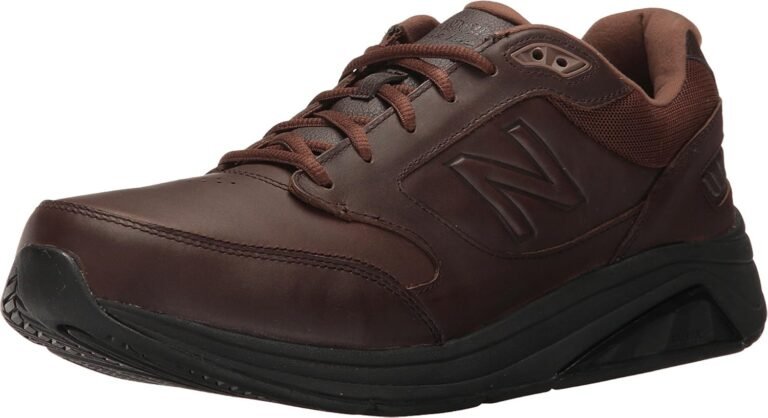
With over 30,000 reviews and a 4.3-star rating, this Rockport shoe is a proven crowd-pleaser. The truTECH cushioning absorbs shock and provides long-lasting comfort, while the removable memory foam insoles let you customize the fit or add your own orthotics. The arch support and durable outsole offer stability on various surfaces, making it ideal for all-day wear.
One thing to note: it lacks the podiatrist certification that some competitors have, so if that’s a must-have, you might look elsewhere. It’s also slightly heavier than minimalist options, but for a supportive walking shoe that looks like a casual, it’s a great all-rounder. Perfect for men who want comfort without sacrificing style.
Pros
- Top seller
- Removable insole
- Great traction
Cons
- Not podiatrist-certified
- Heavier than some
- Limited color options
Specifications
#3. Skechers Go Walk Arch Fit
This men’s version from Skechers carries the APMA Seal of Acceptance, ensuring podiatrist-approved arch support. The Arch Fit insole is removable and molds to your foot, reducing shock and improving weight distribution. With a breathable knit upper and bungee laces, you get a snug, slip-on fit that’s perfect for all-day wear.
However, with only 81 reviews, it’s less proven than some competitors. The fit tends to run true to size but may be narrow for wide-footed men. If you need a certified walking shoe for daily commutes or light exercise, this is a strong contender. If you have very wide feet, consider trying a wide-width option instead.
Pros
- APMA certified
- Removable insole
- Lightweight
Cons
- Fewer reviews
- May fit snug
- Not for wide feet
Specifications
#4. Skechers Max Cushioning Endeavour
The Max Cushioning design delivers exceptional softness, making every step feel cloud-like. The Air-Cooled Goga Mat insole provides high-rebound cushioning, and the Natural Rocker Technology ensures smooth heel-to-toe transitions. With a 4.5-star rating from over 7,000 reviewers, this is a popular choice for runners and walkers alike.
However, the extreme cushioning might feel too soft for those who prefer a firmer ride, and it lacks the podiatrist certification that some competitors offer. It’s ideal for neutral gaits and road walking, but if you need specific arch support, you might want to add orthotics. For plush comfort, this is a top contender.
Pros
- Plush cushioning
- Rocker sole
- Breathable
Cons
- Not podiatrist-certified
- May be too soft
- Limited arch support
Specifications
#5. Wide Toe Box Plantar Fasciitis
This shoe is specifically designed for plantar fasciitis relief, with a wide toe box that allows natural toe splay and enhanced arch support to reduce foot pain. The zero-drop sole promotes proper alignment, and the Phylon midsole absorbs 40% more impact than standard EVA. With a 4.3-star rating, it’s a solid choice for those with foot issues.
However, it’s from a lesser-known brand, so you might have concerns about long-term durability. The fit runs slightly large, so consider sizing down if you prefer a snug fit. It’s great for nurses or anyone on their feet all day, but if you need podiatrist certification, you might look elsewhere. For targeted relief, this delivers.
Pros
- Wide toe box
- Zero-drop
- Phylon midsole
Cons
- No brand recognition
- Limited sizes
- Not APMA certified
Specifications
#6. Wide Toe Box Walking Shoes
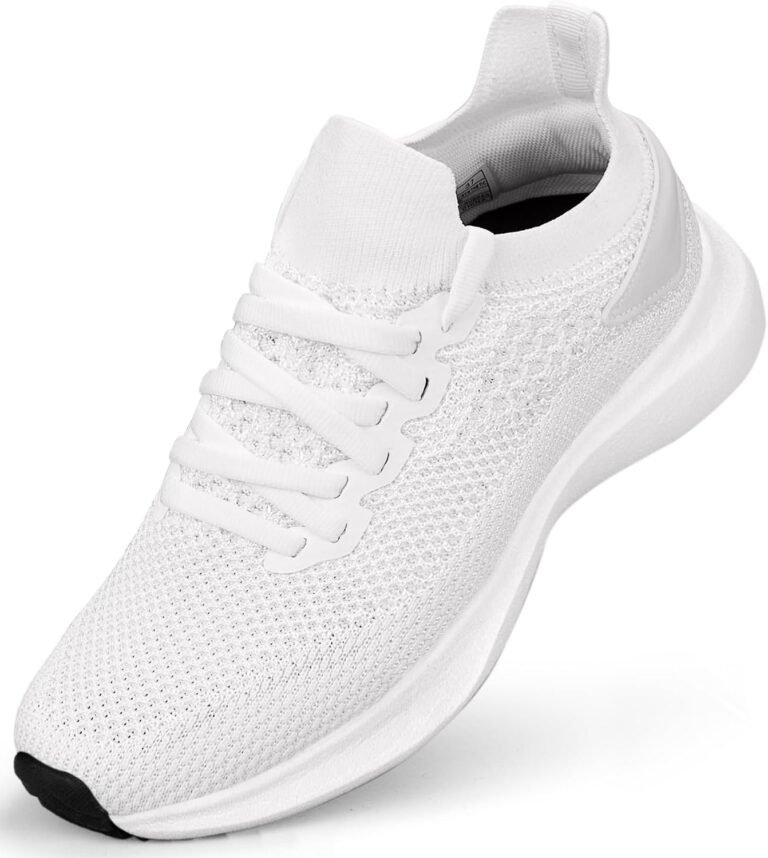
You’ll appreciate the wide toe box that lets your toes splay naturally, reducing pressure on bunions and promoting better posture. The removable arch support insole offers customizable comfort, and the breathable knit upper keeps your feet cool during long walks. With a 4-star rating from over 500 reviewers, this is a solid choice for those with wider feet or plantar fasciitis.
However, the lack of a recognized brand name or podiatrist certification may give you pause. It’s a great pick if you prioritize toe room and arch support over brand prestige. If you need certified medical backing, you might prefer a model with APMA approval, but for everyday walking comfort, this delivers.
Pros
- Wide toe box
- Removable insole
- Breathable knit
Cons
- No model number
- Limited color options
- Not podiatrist-certified
Specifications
#7. HIKE Footwear HF Stride
If you’re into barefoot-style shoes, this HF Stride offers a zero-drop sole that promotes a natural stride and better posture. The hands-off entry means you can slip them on without bending down, which is a game-changer for those with mobility issues. The lightweight, breathable build keeps your feet cool all day.
However, this shoe provides no arch support and minimal cushioning, so it’s not suitable for those with plantar fasciitis or who need extra support. It’s best for experienced barefoot shoe wearers or those transitioning to minimalist footwear. If you need podiatrist-approved support, this isn’t the pick—but for natural foot movement, it’s a solid choice.
Pros
- Zero-drop design
- Easy slip-on
- Breathable
Cons
- No arch support
- Minimal cushioning
- Not for high-impact
Specifications
The Podiatrist-Approved Walking Shoe Checklist You Actually Need
Buying walking shoes isn’t like picking a casual sneaker — your feet absorb hundreds of pounds of force with every step, and the wrong pair can trigger plantar fasciitis, knee pain, or hip issues months down the road. Podiatrists see the fallout daily, so a little upfront research saves you more than money.
The Anatomy of a Shoe That Keeps Your Feet Happy
Heel-to-toe drop
This is the height difference between your heel and forefoot. Most podiatrists recommend a drop between 8 and 12 millimeters for walking, as it encourages a natural heel-strike and reduces strain on the Achilles tendon. Too low, and you’re asking your calves to do extra work.
Arch support that matches your foot
You don’t need maximum support just because a box says “stability.” Flat feet often do well with firmer medial support, while high arches usually prefer neutral cushioning. The key is knowing your arch type — a quick wet-foot test on paper tells you in seconds.
Toe box width
Your toes should splay naturally when you walk. If the shoe pinches at the widest part of your foot or you feel your pinky toe rubbing, that’s a red flag. Podiatrists consistently point to narrow toe boxes as a top source of bunions and neuromas.
Midsole firmness and flexibility
The shoe should bend where your foot bends — at the ball, not the arch. A midsole that’s too soft feels plush in the store but collapses over miles, while one that’s too stiff fights your natural gait. Twist the shoe gently; it should resist torsion but flex forward.
Removable insole
This is a silent dealbreaker. If you ever plan to use custom orthotics or over-the-counter inserts, a non-removable insole makes that impossible. Most podiatrist-recommended walking shoes allow the swap.
Sticking to your budget
You don’t need a $200 flagship model to get proper support. Mid-range shoes from established brands often share the same footbeds and outsoles as their premium siblings. Focus on the structural features above, not the marketing gimmicks.
Mistakes That Send Walkers Back to the Doctor
- Shopping in the morning. Feet swell throughout the day, so a shoe that fits at 9 a.m. will feel tight by evening. Always try on shoes after work or a long walk.
- Ignoring the break-in period. If a shoe hurts from the first step, it won’t “loosen up” into comfort — that’s a sign of a poor fit, not a stiff upper. Walk around the store for at least ten minutes before deciding.
- Replacing shoes too late. Most walking shoes lose their cushioning after 300–500 miles, even if the tread looks fine. If your knees or shins ache after walks that used to feel easy, it’s time to shop again.
Your Podiatrist-Approved Walking Shoe, Decoded
If you want maximum arch support and all-day comfort, the Skechers Arch Fit models—both the women’s Cassy and men’s N-Joy Nate—are your safest bet. For serious cushioning on long pavement miles, grab the Max Cushioning Endeavour. Need toe freedom or dealing with plantar fasciitis? The wide-toe-box slip-ons deliver zero-drop relief, while the HIKE barefoot shoes are perfect if you crave a ground-hugging feel. The Rockport Eureka remains a solid, classic choice for men who want structure without bulk.
Every pick above fits a podiatrist’s core checklist: firm heel cup, arch support, and flexible forefoot. No gimmicks, no inflated prices.
Check the live pricing and stock via the buttons above before your size sells out.
Final 3 Picks: Podiatrist-Approved, Overall, and Men
Ready to decide? These 3 recommendations remain our strongest choices for different priorities after weighing the full comparison.
Skechers Go Walk Arch Fit
- APMA Seal of Acceptance
- Arch Fit insole
- Machine washable
Rockport Eureka Walking Shoe
- truTECH cushioning
- Removable memory foam
- Arch support
Skechers Go Walk Arch Fit
- APMA Seal of Acceptance
- Arch Fit insole
- Slip-on design