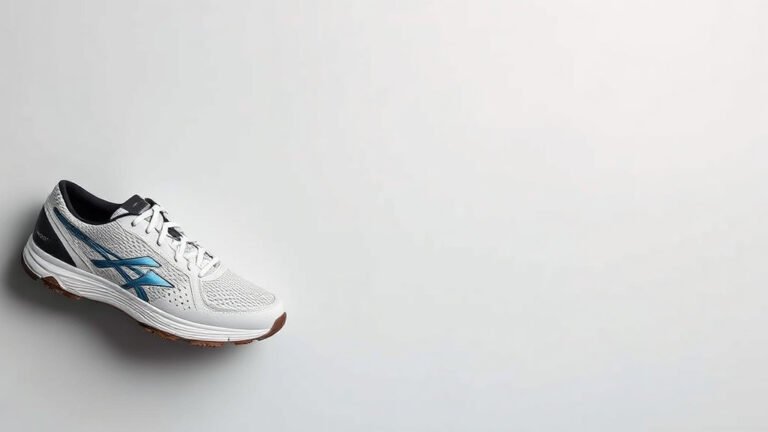
Best Walking Shoes for Daily Use in 2026
The best walking shoes for daily use are the ones that feel comfortable from the first step and support your natural foot movement. You don’t need the most expensive pair on the shelf. Instead, you need a shoe with a roomy toe box, solid arch support, and a flexible sole that matches how you walk.
Finding the right daily walking shoes can feel like a guessing game. With so many brands and styles, it is easy to get overwhelmed. We found that focusing on your foot type and where you walk matters more than chasing trends. Whether you are strolling the neighborhood or hitting the grocery store, your shoes need to work as hard as you do.
- Look for a curved or rocker sole to help your foot roll smoothly from heel to toe.
- Check the toe box width to make sure your toes can spread out naturally.
- Replace your shoes every 300 to 500 miles or when the heel padding feels flat.
- Shop later in the day when your feet are slightly swollen for a better fit.
- Skip overly cushioned shoes if you have flat feet, and look for more stability instead.
Below, we break down exactly what to look for in a daily walking shoe, how to test them in the store, and which features actually keep your feet happy for years to come.
Choosing Everyday Walking Shoes That Actually Work
You do not need a closet full of shoes for daily walking. You need one reliable pair that handles everything from morning errands to evening strolls. We found that most people walk between 4,000 and 7,000 steps a day just during regular activities. That is miles of repetitive motion. Your footwear must keep up without causing pain or discomfort.
A good daily walking shoe is different from a running shoe. Running shoes have extra cushioning for impact when you land hard. Walking puts less stress on the body but still requires a flexible sole and sturdy heel support. Many experts say that walking shoes are designed for forward motion and smooth transitions (Cleveland Clinic).
How Your Foot Type Changes What You Need
Before you even look at colors or styles, you need to know your foot shape. You can do a simple wet test at home. Wet your foot and step on a paper bag. Look at the shape you leave behind.
- Flat feet leave a full imprint with almost no curve. You need stability shoes and motion control.
- High arches leave a narrow print with a big gap. You need extra cushioning and flexibility.
- Neutral feet leave a clear curve. You need a balanced shoe that gives light support.
This one test takes two minutes and can save you from buying the wrong pair. When you know your arch type, you can filter out dozens of bad choices right away.
The Fit Rules You Should Never Break
Shoe sizes change as we age. You might wear a half size bigger than you did five years ago. Your feet also swell during the day, and that makes morning shopping risky. Go shopping in the afternoon or evening. Your feet will be at their largest, and you will get a more honest fit.
Leave about a thumb’s width of space between your longest toe and the end of the shoe. That space stops your toes from hitting the front when you walk downhill. Also, check the width. Many brands offer wide widths, and you should not feel your foot spilling over the sole.
Key Features to Prioritize in Daily Walking Footwear
You do not need to read a long spec sheet to find a good walking shoe. Focus on a few key features, and you will be set for daily comfort. We found that shoppers who check these features on the box or online listing are happier with their purchase in the long run.
Flexible Sole for Natural Motion
Walk on a hard floor and feel the shoe bend. It should flex at the ball of your foot, where your foot naturally bends. If the sole is stiff and refuses to move, you will feel like you are walking on boards. This can strain your foot muscles and lead to fatigue.
Hold the shoe by the heel and press the toe into the floor. It should bend easily with just one hand. A flexible sole works with your natural gait, not against it. That smooth roll from heel to toe makes daily walking feel effortless.
Heel Support and Cushioning Balance
Your heel absorbs most of the shock with every step. It needs enough cushion to soften your landing, but not so much that your foot sinks in and wobbles. We found that a firm heel counter — the back part of the shoe — is key. Squeeze it with your fingers. It should not collapse easily.
Cushioning is personal. Some people love a plush feel, like walking on pillows. Others prefer a firmer ride for better ground feel. Try to find a middle ground. Too much cushion can make your foot unstable. Too little can lead to heel pain after long walks.
Roomy Toe Box for Toe Splay
Your toes do a lot of work when you walk. They spread out to help balance and push off. A narrow toe box squeezes them together, which is a recipe for bunions and blisters. Look for a shoe with a wide toe area that lets your toes wiggle freely.
Some brands are known for wider toe boxes, like those designed for outdoor walking. You can also look for “wide” sizing if you need extra space. The front of your foot should never feel pinched or cramped.
Breathable Upper Materials
Daily walking means your feet will sweat. A breathable upper keeps them cool and dry. Mesh and knit fabrics allow air to flow, which reduces odor and keeps blisters away. Synthetic leather or full leather traps heat, so save those for dress shoes and office wear.
Check for mesh panels on the sides and top of the shoe. The more airflow, the more comfortable your feet will stay during warm weather and long walks. Nobody wants to deal with soggy socks.
Where You Walk Should Shape Your Choice
Think about your typical day. Are you walking on city sidewalks, gravel trails, or mostly indoors on hard floors? The surface changes what sole and traction you need. One shoe may not work for every terrain.
Sidewalks and Pavement
Hard surfaces require good shock absorption. The sole must be thick enough to dampen impact while staying flexible. Road walking also demands moderate tread, so you get a grip on uneven curbs and manhole covers. Smooth-soled shoes can slip on these surfaces.
Trails and Gravel Paths
Off-road walking needs a deeper lug pattern on the outsole. This gives you traction on loose dirt and rock. It also helps on wet grass and muddy sections. Look for shoes labeled “trail” or those with a gripping outsole. They still work on pavement, but they shine off-road.
Indoor Surfaces and Work Floors
If you walk mostly at work on tile, wood, or linoleum, you need a non-marking sole. Some soles slip on polished surfaces, which is dangerous. Seek a shoe with a flat, grippy outsole. Also avoid aggressive tread patterns that make you trip over uneven floors.
How to Test Walking Shoes Before You Buy
You cannot judge a shoe by its looks alone. Online reviews can help, but they cannot tell you how the shoe feels on your own feet. In stores, take your time. Do not rush through the shoe aisle.
- Wear the socks you normally walk in. Thin dress socks change the fit.
- Walk around the store for at least five minutes. Feel for any pressure points.
- Test on a ramp if the store has one. See how your foot slides forward.
- Wiggle your toes and confirm they have space.
- Press your heel into the back to check for slipping.
- Try both shoes on, since feet are often different sizes.
If buying online, order from a store with a generous return policy. Walk around your home for a few hours and see how you feel. Many retailers allow returns even after wearing shoes, so take advantage of that.
When to Retire Your Everyday Walking Shoes
Even the best pair loses support over time. The midsole foam compresses and stops bouncing back. Worn shoes change your gait, which can lead to joint pain and other problems.
Most shoe brands recommend replacing walking shoes every 300 to 500 miles. For a daily walker, that is about every four to six months. If you walk less, inspect your shoes every few months for signs of wear.
Signs Your Shoes Need Replacing
You do not need to track every mile. Your shoes will show clear signs when they are done.
- Heel padding feels flat and you feel the ground harder than before.
- Sole is visibly worn on one side or smooth in spots.
- Creases or wrinkles in the midsole foam that do not bounce back.
- Aching feet or knees that started after wearing the shoes for a while.
- Visible holes or tears in the upper material.
You should not wait until your feet hurt to get new shoes. By then, the damage may already be done. Keep a backup pair and rotate them if you walk daily. This extends the life of both pairs and gives foam time to recover.
Featured Comparison: Daily Walking Shoes vs Running Shoes
Many people grab running shoes for daily walking, but that might not be the smartest move. Here is a quick look at how they differ and what works best for your needs.
| Feature | Daily Walking Shoes | Running Shoes |
|---|---|---|
| Sole flexibility | Bends at the ball of the foot for a natural roll | Firmer to handle high-speed impact |
| Cushioning | Moderate cushion for comfort and stability | Thick cushioning, often higher stack height |
| Heel-to-toe drop | Lower drop (4–8 mm) to keep your foot level | Higher drop (8–12 mm) for forward push |
| Best for | Steady, moderate pace walking sessions | Running, jumping, high-speed activities |
Walking shoes support your natural stride. Running shoes push you forward, which can feel awkward for many walkers. Pick the one that matches your daily activity, not the trendiest shoe on the shelf.
Daily Walking Shoes Checklist
Next time you shop, keep this quick guide in your hand. It will help you make a smart choice without overthinking.
- Flexible sole that bends at the ball of your foot
- Roomy toe box so your toes spread out comfortably
- Firm heel counter that does not collapse when squeezed
- Breathable mesh upper to keep feet cool and dry
- Proper fit with a thumb’s width of space at the front
- Good traction for the surfaces you walk on most
Take your time, try on plenty of pairs, and trust what your feet tell you. A good walking shoe should feel like it disappears once you start walking. Your feet carry you thousands of steps a day, so they deserve the right shoes. Find a pair that supports your journey, and you will be ready for any walk life throws your way.
Conclusion
Finding the right walking shoes for daily use comes down to fit, flexibility, and listening to your own feet. You now know to check the toe box, test the sole bend, and match the shoe to your walking surface. Skip the hype and focus on what feels good from the first step.
Your next move is simple. Do the wet test to learn your arch type, then head to a store in the late afternoon to try on a few pairs. Walk around for at least five minutes in each one. Trust that gut feeling when a shoe just feels right.
Your feet carry you thousands of steps every day. Give them shoes that work with your natural stride, not against it. A quality pair of daily walking shoes is one of the best investments you can make in your everyday comfort.
Frequently Asked Questions
Can I wear running shoes for walking every day?
You can, but they might not be the best choice. Running shoes have a higher heel-to-toe drop and firmer soles designed for forward propulsion. Walking puts different demands on your feet, so a dedicated walking shoe with a flexible sole and lower drop often feels more comfortable for daily use.
How many pairs of walking shoes should I own?
Having at least two pairs is a smart move, especially if you walk daily. Rotating between pairs gives the foam time to decompress and bounce back. This simple habit can extend the life of each pair and keep your feet feeling fresher.
Are barefoot or minimalist shoes good for daily walking?
Minimalist shoes can work, but they require a gradual transition. If you have worn cushioned shoes for years, your foot muscles need time to strengthen. Start with short walks and build up slowly. They are not the best starting point for everyone.
Do I need to break in new walking shoes?
Most modern walking shoes should feel comfortable right out of the box. You might notice a slight stiffness for the first few walks, but you should not experience pain. If a shoe hurts during the first wear, it is probably not the right fit for your foot.
Can I put orthotic insoles in my walking shoes?
Yes, most walking shoes have removable insoles that you can swap out. Just make sure the shoe has enough depth to accommodate an orthotic without making your foot feel cramped. Remove the stock insole first and check that your heel sits snugly in place.