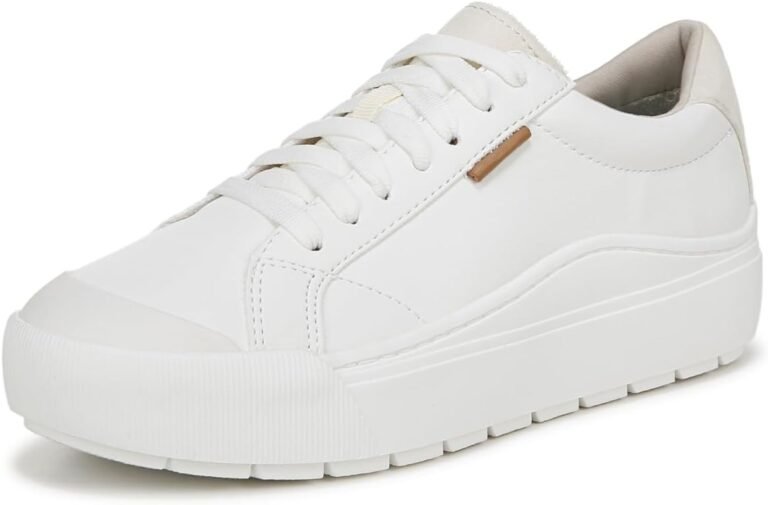
Stiff Walking Shoes: 5 Surprising Benefits for Your Stride
Stiff walking shoes provide better foot support and stability than flexible trainers, which means less foot fatigue and soreness. You get a more efficient walking stride because the rigid sole helps push your foot forward. This makes them a smart choice for anyone walking long distances or standing all day.
Unlike squishy running shoes, stiff soled walking shoes keep your foot aligned and prevent excessive rolling. We found that many walkers switch to them when they want extra arch support for flat feet or relief from plantar fasciitis pain. The firm base also helps improve your posture naturally, reducing strain on your knees and ankles at the same time.
- Less foot fatigue — stiff soles support your arches on long walks.
- Better balance — the rigid base stops your feet from wobbling.
- Protects joints — your ankles and knees face less shock on hard pavement.
- Improves your stride — the rocker bottom helps you walk faster and smoother.
- Great for standing work — if you’re on your feet for hours, stiffness beats softness.
Curious if a stiff shoe is right for your daily routine? Let’s break down exactly who benefits most and what to look for when you shop.
Why Switching to Stiff Walking Shoes Makes Sense
You might think softer is better when it comes to shoes. That works for running and gym workouts. But walking on hard pavement is a different story. Stiff walking shoes give your feet a solid platform to push off from. That platform changes how your whole body moves.
We found that walkers who make the switch notice a big difference in their daily comfort. The firm sole acts like a lever under your foot. It helps you roll through each step with less effort. Your foot does not have to work as hard to stabilize itself.
How a Rigid Sole Changes Your Stride
Think of a stiff shoe like a skateboard deck. It is rigid, but it moves forward smoothly. A soft shoe is more like a sponge. It absorbs your energy instead of returning it. That energy loss adds up over thousands of steps.
Many physical therapists point out that a firm sole reduces the workload on your foot muscles (Mayo Clinic). Your calf muscles and Achilles tendon also get a break. For long-distance walking, this efficiency is a real game changer.
The Rocker Bottom Effect
Many stiff walking shoes have a curved rocker bottom. This design helps your foot roll from heel to toe naturally. It reduces the bend needed in your toes. If you have stiff joints or arthritis, this feature is a lifesaver.
We found that walkers with a history of toe pain often prefer this design. The shoe does the bending for you. You just step and go.
Who Gets the Most Out of a Firm Walking Shoe
Stiff shoes are not for everyone. But certain groups see clear, consistent benefits. If you fit into any of these categories, a rigid sole might solve problems you have been ignoring.
Listen to your body’s signals. If your feet ache after a short walk, your shoes might be the culprit. Firm support often fixes that nagging discomfort.
Walkers with Flat Feet or Low Arches
Flat feet cause your ankles to roll inward. This is called overpronation. A stiff sole blocks that rolling motion. It keeps your foot in a neutral position.
Research supports this approach. Controlled motion helps reduce strain on the plantar fascia (NCBI). That is the thick band of tissue along the bottom of your foot. Without a rigid base, that band stretches too much with every step.
People Managing Plantar Fasciitis Pain
If you have plantar fasciitis, you know the heel pain is real. The first steps in the morning are brutal. Stiff shoes keep your foot from flexing too much. That reduces the pull on the inflamed tissue.
Many foot specialists recommend a firm sole for this condition. It acts like a splint for your foot. The shoe keeps everything stable while you walk. Soft shoes allow too much movement, which re-aggravates the injury.
Standing Workers Who Rarely Sit
Are you on your feet for eight-hour shifts? Chefs, nurses, and retail workers all feel this pain. Soft shoes might feel great in the store. But after hour four, the support collapses.
Stiff shoes keep your body aligned when you stand still. They prevent your arches from flattening out. Your lower back stays happier too. We found that many standing workers switch to rigid soles after years of evening foot pain.
How Stiff Walking Shoes Protect Your Joints
Your knees and hips take a beating on concrete. Soft shoes do not absorb as much shock as people think. They just compress under your weight. That compression makes your joints work harder.
Firm shoes spread the impact across a larger surface. The sole acts like a snowshoe. It distributes your weight evenly instead of concentrating it in one spot.
Reducing Knee Strain on Hard Surfaces
Healthy walking mechanics rely on a stable foot. When your foot wobbles, your knee compensates. That extra twisting motion wears down cartilage over time. A stiff shoe minimizes that wobble at the source.
Experts note that stability is key for joint protection during repetitive activities (CDC). Walking is the most repetitive activity you do daily. Giving your knees a stable base makes a real difference.
Improving Your Posture Automatically
Did you know your shoes affect your posture? When your feet are unstable, your upper body tenses up. Your shoulders curl forward to help you balance. That leads to neck and upper back stiffness.
A firm foundation lets your spine stack naturally. Your head sits straighter over your shoulders. We found that many walkers notice better posture within the first week of use. They just stand taller without thinking about it.
What to Look For When Buying Stiff Walking Shoes
Not all stiff shoes are created equal. The right pair should be firm but not board-like. You need some give for comfort, but the shoe shouldn’t twist in your hands. Try this test: grab the toe and heel and twist. A good stiff shoe barely moves.
We put together a quick checklist to guide your shopping. Keep this list with you when you browse. It will help you avoid the wrong purchase.
- Check the heel counter: Squeeze the back of the shoe. It should be rigid and not collapse inward.
- Look for a rocker sole: The toe should curve up slightly off the ground. This promotes smoother walking.
- Test the flex point: A stiff shoe bends near the toes, not in the middle of the arch.
- Measure your arch height: High arches need different support levels than flat feet do.
- Consider removable insoles: You can swap in custom orthotics if you need extra support.
- Buy later in the day: Feet swell as the day goes on. Shop in the afternoon or evening for the best fit.
Stiff vs. Semi-Stiff: Knowing the Difference
You do not always need a fully rigid boot. Semi-stiff shoes offer a nice middle ground. They provide structure but allow some natural foot movement. This works well for casual walkers who do not cover huge distances daily.
We found that beginners should start with semi-stiff options. Your feet need time to adapt to the firm support. Jumping straight into a super rigid shoe can cause cramps. Give your muscles a few weeks to adjust.
Signs You Need a Softer Shoe Instead
Sometimes a stiff shoe is not the answer. If you have severe bunions or hammertoes, rigidity can cause pressure pain. Also, if you primarily walk on grass or trails, a flexible hiking shoe might serve you better. Listen to your feet’s feedback.
We also found that people with very high arches sometimes prefer more cushioning. The stiff sole can feel like it pushes up too hard. Pay attention to any new pain during the break-in period.
Comparing Walking Shoe Types at a Glance
Still unsure which style fits your needs? This simple comparison breaks down the main differences. Use it as a quick reference when you are standing in the shoe store.
| Shoe Type | Best For | Main Drawback |
|---|---|---|
| Stiff Walking Shoe | Long distances, flat feet, plantar fasciitis | Needs a break-in period |
| Semi-Stiff Shoe | Everyday errands, casual walks | Less support for severe overpronation |
| Flexible Running Shoe | Jogging, gym workouts, agility | Too soft for long pavement walks |
| Hiking Boot | Trails, uneven terrain, ankle support | Heavy and warm for city use |
Notice how each shoe type has a job. You would not wear flip flops to a job interview. Similarly, your walk to work deserves the right tool. Stiff walking shoes are that tool for many daily walkers.
Your feet carry you everywhere. They deserve a solid foundation that works with your body, not against it. Give stiff shoes a fair shot and see how your next long walk feels.
Conclusion
Making the switch to stiff walking shoes can change how your feet feel after a long day. You get better support, a smoother stride, and real protection for your knees and back. It is not about choosing the hardest shoe on the shelf. It is about finding the right firmness for your feet and your daily routine.
Start with a semi-stiff pair if you are new to this style. Give your feet a couple of weeks to adjust. Pay attention to how your body responds on your next few walks. We think you will notice the difference quickly. Your feet work hard for you every single day, so give them a solid foundation that helps them feel good from morning to night.
Frequently Asked Questions
How long does it take to break in stiff walking shoes?
Most people need about one to two weeks to break in a stiff walking shoe comfortably. Wear them for short periods around the house first. Then, gradually increase your walking time each day. Your foot muscles need time to adjust to the new support, so be patient with the process.
Can stiff shoes make my feet hurt at first?
Some mild discomfort is normal during the break-in period, especially in your calves and arches. This happens because the firm sole changes how your foot moves. If you feel sharp pain or pinching, that is a sign the shoe does not fit correctly. Stop wearing them and consider a different size or style.
Are stiff walking shoes good for people with diabetes?
People with diabetes should talk to their doctor before choosing a stiff shoe. Firm shoes can reduce sensation and may not be safe if you have nerve damage. A podiatrist can help you find a supportive but safe option. It is always better to get a professional opinion for this condition.
Can I wear stiff walking shoes for running or the gym?
Stiff walking shoes are not built for running or high-impact workouts. They lack the cushioning needed to handle impact from jogging. Use them for walking, standing, and everyday errands instead. You will need a separate pair of flexible runners for the gym or a run.
How do I know if I need a stiff shoe or just more arch support?
If your feet roll inward a lot or you have pain in your heel, a stiff sole usually helps more than arch support alone. Try an over-the-counter insole with firm support first. If the pain stays after a few weeks, you might need the full stability of a stiff shoe. A quick fitting at a specialty store can also help you decide.