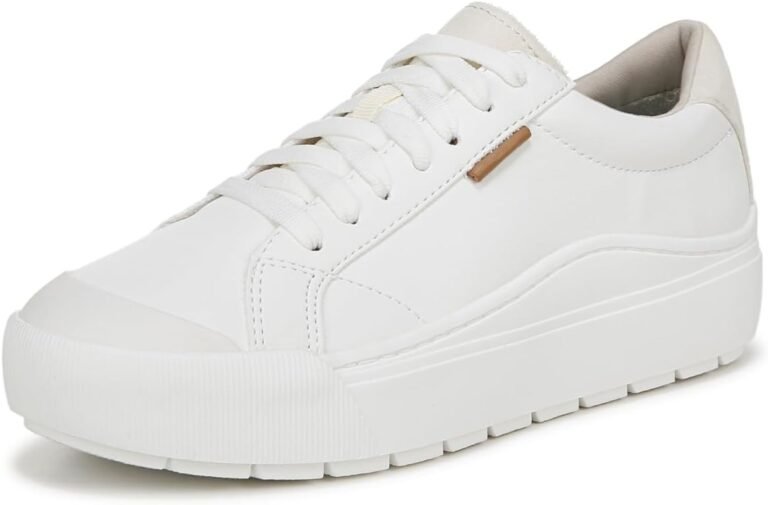
Best Men’s Wide Walking Shoes in Size 13 for 2026
Yes, you can find high-quality men’s walking shoes size 13 wide, but you need to know where to look and what to check first. Not every brand offers true wide sizing in larger lengths, so we found that reading the size charts carefully is the key to avoiding a wasted purchase. You don’t have to settle for cramped toes or blisters just because you need a bigger, roomier shoe.
Finding a comfortable pair is about more than just the number on the box. You also need to consider the width of the toe box, the level of arch support, and the flexibility of the sole. Since your feet take thousands of steps a day, a proper fit in a wide size can prevent foot pain, knee strain, and general fatigue. We looked into the best options for men who need that extra space without sacrificing style or durability.
- True wide sizes often run a half-size larger in the toe area, so measure your feet later in the day.
- Look for brands that offer a “W” or “2E” width label, not just a bigger length.
- Walking shoes for wide feet should have a removable insole to accommodate custom orthotics.
- Focus on breathable mesh uppers to prevent irritation and hot spots during long walks.
- Always check the return policy so you can swap them out if the fit isn’t perfect.
Below, we break down the top-rated shoes, what to avoid, and how to get the perfect fit for your wide feet every single time.
Finding Walking Shoes for Big Wide Feet
You need a shoe that fits both the length and the width. We found that many guys with size 13 feet also need a “W” or “2E” width. A standard size 13 is often too narrow, which leads to foot pain and blisters.
The trick is to find brands that actually make wide sizes in long lengths. Some brands just stretch a narrow shoe, which doesn’t give you the room you need in the toe box. We looked for shoes with true wide construction, not just a bigger label.
What “Wide” Actually Means in Shoe Sizes
When you see a “W” or “2E” on a size 13 shoe, it means the shoe is wider across the ball of your foot. For men, a standard size 13 is a “D” width. A “2E” adds about half an inch of extra space. That extra room makes a big difference for your toes.
You should also check if the shoe comes in “4E” which is extra wide. Many experts say that most men with wide feet actually need a 2E or 4E, not just a regular D. The CDC highlights that proper footwear can prevent falls and foot injuries in adults.
Why Length Alone Isn’t Enough
Many guys buy a size 14 thinking it will fix the width problem. We found that this only makes the shoe too long in the heel, causing your foot to slide forward. You end up with blisters on your toes and instability in your step.
Instead, look for a size 13 wide that matches both your heel and toe width. A proper fit keeps your foot snug but not tight. This prevents the foot fatigue that comes from squeezing into a narrow toe box all day (Cleveland Clinic).
Key Features to Look For in Large Wide Walking Shoes
Not all walking shoes with a “W” label will work for you. We found that you need to check a few specific features. These features make the difference between a shoe that feels okay and one that feels great.
Focus on the structure of the shoe, not just the marketing. A wide size 13 should feel stable and supportive from the moment you put it on.
Toe Box Shape and Space
The toe box is the front part of the shoe where your toes sit. A good wide shoe has a toe box that follows the natural shape of your foot. It should not taper too sharply at the big toe.
You should be able to wiggle all five toes inside. If you cannot do this, the shoe is too narrow, even if it says “wide” on the label. Some brands design a “foot-shaped” or “anatomical” toe box that gives your toes more room to spread out naturally.
Midsole Support and Cushioning
Wide feet need good arch support to prevent overpronation, which is when your foot rolls inward. We found that a firm midsole helps distribute your weight evenly across the foot. Too much soft cushioning can actually make wide feet feel unstable.
Look for a shoe with a supportive heel counter and a stable arch. Many guidelines point to good arch support as a way to reduce stress on your knees and hips (Mayo Clinic). This is especially important for taller guys who put more weight on their lower joints.
Removable Insoles for Custom Fit
You might need to use your own orthotic inserts. Many guys with wide feet have flat arches or high arches. A removable insole lets you swap out the stock one for a custom fit.
We recommend buying a shoe where the insole comes out easily. This small feature can save you from buying a new pair of shoes. It also helps you adjust the fit if one foot is slightly bigger than the other, which is common.
Top Brands Offering 13 Wide in Walking Styles
Some brands are known for doing wide sizes right. We found that these brands consistently offer 13 wide in their walking shoe lines. They also tend to have a more accurate size chart compared to other companies.
Always check the brand’s specific sizing chart before you buy. A “wide” from one brand can feel different from a “wide” in another. This is because brands use different lasts, which are the molds that shape the shoe.
| Brand | Width Options | Best For |
|---|---|---|
| New Balance | 2E, 4E, 6E | True wide fit, many styles |
| Brooks | 2E, 4E | Cushioned walking |
| Hoka One One | 2E, 4E | Max cushioning, wide toe box |
| ASICS | 2E, 4E | Support and stability |
| Saucony | 2E, 4E | Lightweight feel |
New Balance and Brooks for Reliability
New Balance is a classic choice for wide feet. We found that they offer a 6E width, which is extremely wide, and they have many walking-specific shoes. Brooks is also solid, especially for guys who need a stable walking shoe for long distances.
These brands put a lot of research into their wide lasts. The shoes do not look bulky or clunky, even in a size 13 wide. You get a clean, athletic look that works for casual walks or daily errands.
Hoka and ASICS for Maximum Comfort
Hoka shoes have a wide base and a thick sole that absorbs shock well. If you have joint pain, many people like the cushioning in Hoka. ASICS offers great support for those who overpronate, which is when your foot rolls inward.
We found that these brands often have a deep toe box, which helps with toe swelling later in the day. This is a key feature for guys who spend hours on their feet. A deep toe box prevents the top of your foot from rubbing against the shoe.
Step-by-Step: How to Measure Your Wide Feet at Home
Do not guess your size. We found that measuring your feet at home can save you from a lot of frustration. You need a piece of paper, a pencil, and a ruler.
Your feet change size as you age. They also swell during the day. We recommend measuring your feet in the afternoon or evening, when they are at their largest.
Getting the Right Measurements
Tape a piece of paper to the floor against a wall. Stand on the paper with your heel against the wall. Trace the outline of your foot with the pencil. Then, measure the longest distance from your heel to your longest toe. This is your length.
Next, measure the widest part of your foot, which is usually across the ball of the foot. Write down both numbers. Use a brand’s online size chart and match these numbers to their widest option. Many size charts include a specific width measurement, not just a letter.
Check the Width with the “Paper Test”
After you buy your size 13 wide, do a quick test when they arrive. Take out the insole and place it on the floor. Stand on top of the insole with your sock on. Your foot should fit comfortably inside the outline of the insole, without spilling over the edges.
If your foot goes past the edge, the shoe is too narrow. You should exchange them right away. We found that this test is more reliable than just guessing if the shoe “feels” wide enough when you try it on.
Materials and Construction That Prevent Foot Pain
The material of the shoe matters a lot for wide feet. We found that breathable mesh is the best choice. It allows your foot to expand and flex without pressure points. It also prevents sweat from building up, which can cause blisters.
Look for a solid heel counter that does not flex easily. This locks your heel in place and prevents slipping. A stiff heel is a sign of a well-constructed walking shoe, not a running shoe.
Why Flexible Soles Are Important
A walking shoe needs to flex at the ball of the foot. This helps you push off naturally with each step. We found that if the sole is too stiff, it forces your foot to work harder. On the other hand, if the sole is too floppy, it does not support your arch.
Bend the shoe in your hands. It should bend at the forefoot, but not in the middle of the arch. This is a good middle ground. Many experts point to this flexibility as a key feature for walking shoes that reduce fatigue (National Institutes of Health).
Pitfalls to Avoid When Buying 13 Wide
Shoes
You will run into some problems when shopping online. We found that some brands label a shoe as “wide” but it is really just a regular width with a wider lace area. This tricks many buyers into keeping a shoe that is still too tight.
Another issue is that some styles are discontinued quickly. The wide sizes are often the first to sell out. If you find a pair that fits well, you should consider buying a backup pair.
Beware of Stretching Claims
You might see products that promise to stretch leather or fabric shoes. While a shoe repair shop can stretch leather slightly, most walking shoes use synthetics that do not stretch much. We found that relying on stretching is a bad idea for a size 13 wide.
Use a shoe stretcher on leather dress shoes, not on athletic walking shoes. The mesh and foam materials will lose their structure if over-stretched. This leads to a shoe that is loose in the heel and tight in the toes. It is best to buy a properly sized wide shoe from the start.
Read the Reviews for Fit Feedback
Look at reviews from other men who wear size 13 wide. We found that these reviews are often very honest about the fit. They will tell you if the shoe runs small or large. You can learn a lot from the feedback of real customers.
If multiple reviews say the shoe is tight in the toe area, skip it. Do not assume you can break them in. A walking shoe should be comfortable immediately. While they might soften slightly, they should never feel painful on day one.
Quick Fit Checklist for Size 13 Wide Shoes
Before you check out online, go through this checklist. It will help you avoid a return trip to the shipping store. We found that taking a few extra minutes saves hours of hassle later.
- Measure both feet at the end of the day, and use the larger foot for sizing.
- Confirm the width is marked as “2E”, “4E”, or “W” on the product page.
- Check that the insole is removable so you can swap in your own orthotics.
- Ensure there is a thumb’s width of space between your longest toe and the front edge.
- Look for a breathable mesh upper that lets your toes move and breathe.
- Verify the retailer has a free return policy for wrong sizes or bad fits.
Walking shoes are not just for the gym. They are for any time you need to be on your feet. A good pair of size 13 wide shoes will serve you well for years. You just have to pick the right one.
Conclusion
Finding men’s walking shoes size 13 wide does not have to be a frustrating hunt. You just need to focus on true width measurements, not just the length on the box. We walked you through the key features, including toe box shape, arch support, and removable insoles.
Stick with trusted brands like New Balance, Brooks, Hoka, and ASICS that offer real 2E and 4E sizing. Measure your feet at the end of the day, and always do the insole paper test when your shoes arrive. This simple step catches fit problems before you wear them outside.
Your next step is simple: grab a ruler, measure both feet, and order your first pair from a brand with a solid return policy. Your feet will thank you on every walk you take from now on.
Frequently Asked Questions
Are size 13 wide walking shoes the same as size 14 regular?
No, they are not the same. A size 14 regular adds length but keeps the same narrow width across the ball of your foot.
You should look for a size 13 with a 2E or 4E width instead. This gives you the extra room where you need it without making the shoe too long in the heel.
How much wider is a 2E compared to a standard D width?
For most brands, a 2E width adds about half an inch of extra space across the widest part of your foot. That difference is noticeable and often solves the tightness you feel in a standard D width.
Keep in mind that each brand uses its own last, so the actual fit can vary. Reading the size chart for each specific shoe is still your best bet.
Should I buy walking shoes a half size bigger for wide feet?
You should not automatically size up to fix width issues. Going up a half size only adds length, which causes your heel to slip and leads to blisters.
Instead, buy your normal length in a true wide width. A proper 2E or 4E will give your toes room without making the shoe too long overall.
Can I wear size 13 wide walking shoes with custom orthotics?
Yes, but only if the shoe has a removable insole. Many walking shoes come with a foam insole that you can pull out to make room for your orthotics.
We recommend checking the product photos or reviews to confirm the insole is removable before you buy. This simple feature makes a big difference for people who need extra arch support.
Why do my size 13 wide shoes still feel tight on the sides?
Some brands label shoes as wide when they are only slightly wider than standard. You might need a 4E width instead of a 2E if the sides still press against your feet.
Also, check the toe box shape. A shoe with a tapered toe box can feel tight even in a wide size. Look for foot-shaped or anatomical toe boxes that follow the natural curve of your foot.