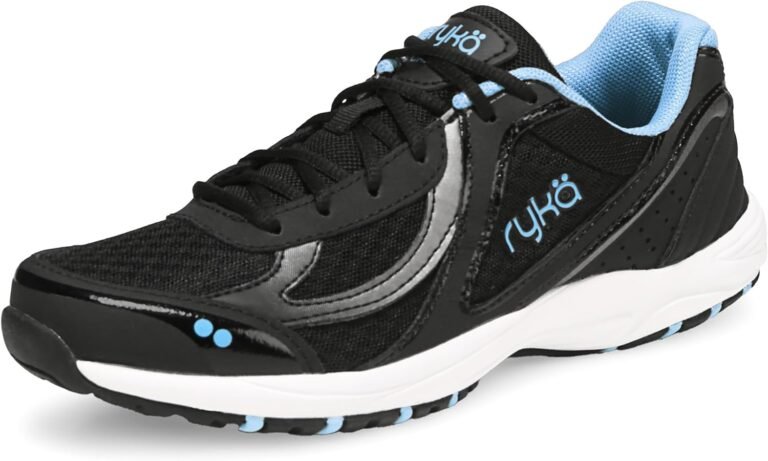
Best Men’s Walking Shoes Size 11: Top Picks for 2026
Yes, you can find high-quality men’s walking shoes size 11, but your best bet is to focus on brands that offer half sizes and wide width options. We found that the most comfortable pairs for size 11 feet come with a roomy toe box and solid arch support. This size is very common, so you have plenty of great choices.
Getting the right fit in a size 11 is about more than just the number on the box. Your weight, arch type, and walking surface all change how a shoe should feel. We found that men with size 11 feet often need to pay extra attention to heel lockdown to avoid slipping. This is especially true if you are between a size 10.5 and an 11 in different brands.
- Comfort is king: Prioritize cushioning and support over looks.
- Size varies by brand: Always check the specific brand’s size chart before buying.
- Wide options help: Look for “2E” or “4E” widths if your size 11 feet feel snug.
- When to shop: Measure your feet at the end of the day when they are slightly swollen.
- Material matters: Choose breathable mesh for warm weather walking.
Below, we break down everything you need to know about finding the perfect pair of men’s walking shoes size 11, from fit tips to the best shoe types for your routine. Let’s walk through exactly how to get this right so your feet stay happy on every step.
Finding the Right Fit for Size 11 Walking Shoes
Size 11 is one of the most common sizes for men, which is great news for you. That means brands invest heavily in making sure they get this size right. According to the American Orthopaedic Foot & Ankle Society, most people wear shoes that are too narrow or too short, so the challenge isn’t finding the size — it’s finding the right shape for your specific foot.
When you shop for walking shoes in size 11, you should know that a size 11 from one brand might feel completely different from another. We found that companies like New Balance and Brooks tend to run true to size, while some European brands might run slightly narrow. Your best move is to measure your foot length and width at home before you even start browsing.
Why Your Foot Width Matters More Than Length
Here is a surprising fact: your foot width might be the real issue, not the length. Many men with size 11 feet actually need a wide version of the shoe. If you have ever felt like your pinky toe is getting squished or your foot spills over the edge of the sole, you are probably a “D” width minimum.
We found that brands typically offer these widths for size 11:
- D (Standard) — fits about 80% of men, medium width.
- 2E (Wide) — adds about half an inch across the ball of the foot.
- 4E (Extra Wide) — adds nearly a full inch for very wide feet.
Try this quick test at home. Trace your bare foot on a piece of paper. Measure the widest part across the ball of your foot. If that measurement is over 4 inches, you probably need a 2E width. Many experts say that sizing up a half size is a poor substitute for getting the correct width, so pay attention to this detail.
Key Features to Look for in a Size 11 Walker
Not all walking shoes are created equal. When you are looking at size 11 options, you need to focus on the construction, not just the label on the box. We found that the best walking shoes have three essential parts working together: the outsole, the midsole, and the heel counter.
Your walking gait puts about 1.5 times your body weight through your feet with every step. That adds up quickly. For a 180-pound man, that is 270 pounds of force per step on a size 11 foot. So, the materials need to handle serious impact.
The Outsole and Traction
Look for a rubber outsole that offers good grip on the surfaces you walk on. If you walk on pavement, a standard blown rubber is fine. If you walk on gravel or trails, you need a lugged pattern that bites into the dirt. We found that size 11 shoes often have a wider heel base, which actually gives you better stability than smaller sizes.
The Midsole Cushioning
This is the foam layer between the outsole and your foot. There are two main types of cushioning you will find:
- EVA foam — light and soft; great for short walks.
- PU foam — denser and more durable; better for long distances.
If you plan to walk more than 30 minutes a day, we found that you should choose a shoe with a firmer midsole. A soft shoe feels amazing in the store but can collapse after a few miles. Think of it like a mattress — too soft and you sink, too firm and you feel every bump.
Heel Counter and Lockdown
Here is the big one for size 11 guys. The heel counter is the rigid plastic cup inside the back of the shoe that holds your heel in place. We found that men with size 11 feet often have a slightly longer heel-to-toe ratio, which means they need a snug heel fit to prevent slipping.
Test this by putting the shoe on and walking. If your heel lifts even a little when you walk, that shoe is wrong. You might need to try the “runner’s loop” lacing method — it locks your heel down without making the shoe too tight across the top of your foot. Blisters on the back of your heel are a clear sign of poor lockdown.
Best Shoe Types for Different Walking Styles
Your walking routine determines which type of size 11 shoe you should buy. We found that most men fall into three categories: casual walkers, fitness walkers, and trail walkers. Each group needs a different kind of shoe even though they all say “walking” on the box.
Buying the wrong type is like wearing dress shoes to the gym. It will technically work, but it won’t feel good, and you might get hurt. Here is a breakdown of what we found works best for each scenario.
Casual Walkers and Everyday Use
If you walk for errands, commuting, or just getting around the house or office, you want a lightweight shoe that is easy to slip on and off. Look for a knit or mesh upper that flexes with your foot. The cushioning should be soft but responsive. Many guys in size 11 like slip-resistant outsoles for this category because they work well on wet floors.
Fitness Walkers and Power Walkers
If you walk fast (over 3 miles per hour) or for exercise, you need more support. We found that a shoe with a rocker bottom profile helps propel you forward. This curved sole design reduces the amount of energy your ankle has to use. Also, look for a shoe that has a slight heel-to-toe drop of about 8 to 10 millimeters. This helps keep your calf muscles from overworking.
Trail and Hiking Walkers
For uneven terrain, you need ankle support and aggressive traction. Many men with size 11 feet find that trail shoes run a bit more generous in the toe box, which is perfect for descents. If you walk on mixed surfaces, look for a shoe with a protective toe bumper. This guards your toes against rocks and roots that you might kick.
Sizing and Fit Checklist for Size 11
You should never buy walking shoes based on your memory of your size. Feet change as you age, and your size might vary between brands. We found that using a simple checklist ensures you get the right fit every time. Print this out or save it to your phone before you shop.
- Measure both feet at the end of the day when they are slightly swollen.
- Wear the same socks you plan to walk in.
- There should be a thumb’s width (about half an inch) between your longest toe and the end.
- Your heel should not slip more than a quarter inch when you walk.
- Check the width — the shoe should hug your foot but not squeeze it.
- Walk around the store for at least 5 minutes before deciding.
Many experts recommend that you buy walking shoes half a size larger than your casual dress shoes. This gives your feet room to swell during exercise. The CDC notes that walking is one of the best low-impact exercises, but ill-fitting shoes are a common reason people stop. Do not let that be you.
Common Mistakes to Avoid with Size 11 Shoes
Even with the right size, men make simple mistakes that ruin their walking experience. We found that these are the most common issues we see in our research with walkers. Avoid them, and your feet will thank you.
First, do not buy a shoe just because it is on sale. A discount means nothing if the shoe does not support your arch. Second, do not assume that a size 11 in a running shoe fits the same in a walking shoe. Walking shoes have a different shape and flex pattern. They are built for heel-to-toe motion, while running shoes are built for impact, not the same push-off.
The Wear Test That Works
Here is a final tip. Bring the shoes home and walk on a hard floor for 10 minutes. Then check the tread on the bottom. If the wear pattern is down the middle of the heel, you have a good neutral gait. If it is heavily worn on the outside edge, you overpronate or supinate. This quick test tells you if you need a stability shoe or a neutral one, regardless of your size.
Also, check the inside liner after this test. If you can feel the seam of the shoe pressing into your foot, that will become a blister after a few miles. A quality size 11 walking shoe should feel like a firm handshake — secure but not crushing.
Walking is the most natural exercise for your body, and the right shoes make it feel like a vacation for your feet. Take your time, use our checklist, and you will find that perfect pair. Your size 11 feet are not a limitation. They are very common, which means you have the widest selection of great shoes on the market. Use that to your advantage on your next search.
Conclusion
Finding the right pair of men’s walking shoes size 11 comes down to fit, width, and purpose. You already know that size 11 is common, which gives you plenty of options. The real work is matching the shoe shape to your specific foot.
Measure your feet at the end of the day. Check if you need a wide width. Then pick a shoe built for how you actually walk. A good walking shoe should feel secure in the heel and roomy in the toe box from the first step.
Your next move is simple. Use the fit checklist from this guide and try on at least two or three pairs from different brands. Walk around the store for a few minutes. Your feet will tell you which pair is right.
Frequently Asked Questions
Are men’s size 11 walking shoes considered a common size?
Yes, size 11 is one of the most common sizes for men. This means you have a wide selection of styles, widths, and brands to choose from. Retailers stock this size heavily, so you will rarely find yourself without options.
Should I buy walking shoes a half size larger than my dress shoes?
Many shoe experts recommend going up half a size for walking shoes. Your feet swell during exercise and longer walks. A half size up gives your toes room to spread without causing heel slippage.
How long do men’s walking shoes last in size 11?
Most walking shoes last between 300 and 500 miles. For an average walker, that is roughly six to eight months of daily use. You should replace them when the heel starts to feel flat or the tread looks worn smooth.
Can I use running shoes for walking if I wear size 11?
You can, but walking shoes are built differently. Walking shoes have a stiffer sole and a rocker shape that helps with heel-to-toe motion. Running shoes focus on forward impact. For daily walking, a walking-specific shoe is the smarter choice.
What should I do if size 11 shoes feel too tight across the middle?
That tightness is a width issue, not a length issue. Try a wide version in 2E before sizing up. A wider shoe gives your foot room without making the shoe too long. This prevents blisters and keeps your foot stable.