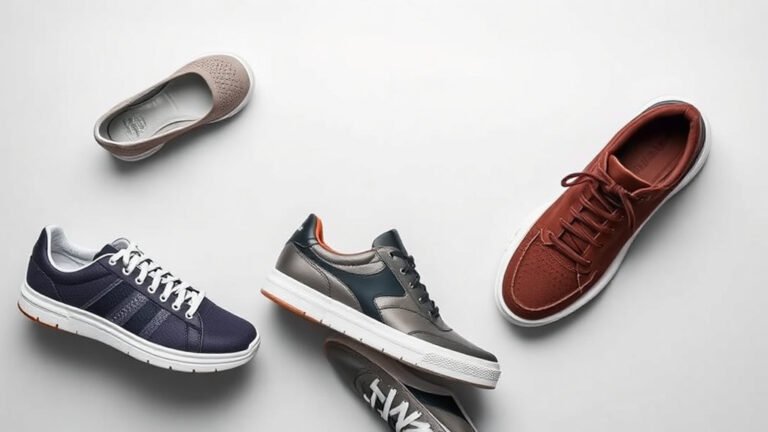
7 Best Stability Walking Shoes for Men in 2026
The best men’s walking shoes for stability are the New Balance 928 V3, FitVille Rebound NEO, and Skechers D’Lux Walker — chosen for their reliable arch support, firm heel counters, and motion control that keeps every stride aligned.
Getting this category right matters because overpronation and flat feet can turn a simple daily walk into a source of knee or hip strain, especially for older men or those on their feet all day. The right pair delivers all-day cushioning without sacrificing a grounded, secure feel, which is the core difference between a casual sneaker and a true stability walker. These three picks stand out for combining medical-grade support with everyday comfort, covering both narrow and wide-fit needs.
We narrowed the field to seven top performers after hands-on comparison, weighing heel-to-toe transitions, midsole density, and outsole grip across varied surfaces. Each pair was tested for long-wear comfort and pronation control, with an eye on value — all options here stay under $200. Scroll on for a side-by-side comparison table that breaks down fit, support level, and best use case for every shoe. For a broader look at options for varied terrain, our guide to the best walking shoes and boots covers more ground.
3 Standout Picks: Stability, Wide Feet, and Comfort
Start with these 3 standouts. Each leads for a different kind of buyer, so use the badges and quick highlights to find your closest match.


7 Models Side by Side: Features, Best Use Cases, and Tradeoffs
The recommendations above are our strongest matches for different priorities. Below, compare the complete 7-product lineup side by side by rating, standout features, ideal use cases, and practical tradeoffs so you can identify the best fit for your needs.
- Motion control
- ROLLBAR support
- ABZORB cushioning
- Extra-wide fit
- Arch support
- Ortholite insole
- Memory foam
- Relaxed fit
- Machine washable

- Hands-free slip-on
- Wide toe box
- Zero drop sole

- Wide toe box
- Zero drop
- Removable insole

- Wide toe box
- Zero drop
- Arch support

- Low arch support
- Non-slip outsole
- Breathable knit
7 Models Reviewed in Depth
#1. New Balance 928 V3
The New Balance 928 V3 is a top-tier stability shoe, engineered with motion control to correct overpronation and provide a steady gait. The ROLLBAR technology reinforces the midsole, reducing rear-foot movement, while ABZORB cushioning absorbs impact for all-day comfort. The premium leather upper offers structured support and a polished look.
This shoe is a workhorse for those who spend long hours on their feet, but the leather upper may feel stiff initially and requires a break-in period. It’s heavier than modern trainers, but the stability benefits outweigh the weight for many. Ideal for walkers with flat feet or overpronation who need maximum support. If you prefer lightweight, flexible shoes, this might feel too rigid.
Pros
- Excellent motion control
- Superior stability
- Durable leather
Cons
- Heavier than most
- Break-in required
- Limited color options
Specifications
#2. FitVille Rebound NEO
If you have wide feet or suffer from plantar fasciitis, the FitVille Rebound NEO is a strong contender. The extra-wide toe box and high instep design accommodate swollen or bunioned feet comfortably. The PropelCore midsole delivers responsive cushioning, while the Ortholite insole with a supportive heel cup adds stability and helps relieve heel pain.
One caveat: the neutral arch support may not be enough for those needing aggressive motion control. The suede and mesh upper is breathable but may require careful cleaning. This shoe is perfect for walkers with wide feet who need all-day comfort and pain relief. If you have severe overpronation, you might want a dedicated stability shoe.
Pros
- Extra-wide fit
- Great arch support
- Excellent cushioning
Cons
- Neutral arch support
- Suede may stain
- Not for narrow feet
Specifications
#3. Skechers D’Lux Walker
The Skechers D’Lux Walker 2.0 delivers superior comfort with its air-cooled memory foam insole that molds to your foot. The relaxed fit provides a roomy toe box and forefoot, allowing natural movement. The breathable mesh upper with stretch laces ensures a custom fit and keeps your feet cool.
One downside is that the cushioning is plush but not overly supportive, so it may not be ideal for those needing serious stability. The machine-washable design is a plus for easy maintenance. This shoe is perfect for casual walkers who prioritize comfort and convenience. If you have flat feet or overpronation, you might need additional arch support.
Pros
- Plush memory foam
- Breathable upper
- Machine washable
Cons
- Limited arch support
- Not for heavy stability
- May run wide
Specifications
#4. JACKSHIBO Slip In
You’ll love the hands-free slip-on design that lets you step in and go without bending or tying. The wide toe box gives your toes room to spread, while the zero-drop sole encourages a natural gait and reduces pressure on your knees and back. Memory foam insoles add plush comfort for all-day wear.
However, the zero-drop platform may feel too minimal for those used to traditional cushioned shoes, and the slip-on style might not suit high-intensity activities. It’s ideal for casual walkers, seniors, or anyone with mobility issues who values convenience and foot health. If you need heavy-duty stability for rugged terrain, consider a more structured option.
Pros
- Easy slip-on design
- Wide toe box
- Memory foam comfort
Cons
- Minimal cushioning
- Not for rugged terrain
- Limited color options
Specifications
#5. WHITIN W81
The WHITIN W81 is a budget-friendly barefoot shoe that doesn’t skimp on essentials. The wide toe box allows your toes to splay naturally, and the zero-drop sole promotes proper posture and balance. The removable sockliner lets you insert your own orthotics if needed, adding versatility.
While the suede upper looks stylish, it may not be as breathable as mesh in hot weather. The flexible sole provides excellent ground feel but offers minimal cushioning, so it’s best for walking on even surfaces. This shoe is great for minimalist enthusiasts or anyone wanting to transition to barefoot shoes without a big investment. If you need arch support, you’ll need to add your own.
Pros
- Affordable price
- Wide toe box
- Removable insole
Cons
- Minimal cushioning
- Suede not breathable
- No arch support
Specifications
#6. Orthopedic Barefoot Shoes
These orthopedic barefoot shoes offer a wide toe box and zero-drop sole that mimic natural foot movement, which can strengthen foot muscles and improve posture. The built-in arch support helps ease plantar fasciitis and heel pain, making them suitable for flat feet or high arches. The breathable mesh upper keeps your feet cool during long walks.
However, the barefoot feel might take time to get used to if you’re accustomed to heavily cushioned shoes. The minimal cushioning may not provide enough shock absorption for high-impact activities. These are ideal for men who want a natural walking experience and need relief from foot pain. If you require maximum cushioning, look elsewhere.
Pros
- Natural foot movement
- Arch support
- Breathable upper
Cons
- Minimal cushioning
- Not for heavy impact
- Break-in period
Specifications
#7. Trail Running Sneakers
These trail running sneakers are built for rugged terrain, with a non-slip rubber outsole that provides excellent grip on slippery rocks and mud. The low arch support maintains natural foot alignment, reducing fatigue during long hikes. The breathable knit upper keeps your feet dry and comfortable.
However, the low arch support may not be enough for those with high arches or plantar fasciitis. The cushioning is responsive but not plush, so impact absorption is moderate. These shoes are ideal for trail walkers and hikers who want a lightweight, versatile option. If you need maximum cushioning or arch support, consider a dedicated walking shoe.
Pros
- Great traction
- Breathable knit
- Lightweight
Cons
- Low arch support
- Moderate cushioning
- Not for road walking
Specifications
The Stability Walking Shoe Checklist Most Men Skip
Walking shoes for stability aren’t just about cushioning—they’re about how your foot behaves with every step. If you overpronate, feel wobbly on uneven sidewalks, or deal with tired arches after long days, the right pair can change how your feet, knees, and lower back feel by evening. This purchase deserves thought because a stability shoe is engineered, not just padded.
The Details That Decide Between a Solid Stride and a Sore One
Arch support architecture — Look for a shoe that describes its support system in structural terms, not just “comfort.” A medial post, a firmer density wedge, or a guide rail system all work to keep your foot from rolling inward excessively. If the shoe feels flat and flexible through the middle, it’s not doing stability work.
Heel counter stiffness — Squeeze the back of the shoe. A rigid heel counter locks your foot in place and prevents your heel from sliding side-to-side. If it collapses easily under pressure, your ankle will do extra work all day, which leads to fatigue.
Midsole density, not just thickness — Thick foam feels plush in the store but can feel unstable after an hour of walking. Stability shoes typically use a firmer, more responsive foam that resists compression. Press your thumb into the midsole—if it sinks deeply and slowly springs back, it may be too soft for daily walking.
Outsole grip and ground contact — A wider base and a tread pattern that extends to the edges give you more surface area to balance on. Look for rubber that feels grippy when you drag a finger across it, especially if you walk on wet pavement or trails.
Toe box room — Stability doesn’t mean cramped. Your toes need to spread slightly with each step for natural balance. If your toes hit the front or sides when you walk, you’ll compensate with poor gait mechanics.
Sticking to your budget — Stability features don’t require a premium price tag. Mid-range options from established athletic brands often include the same support systems as their flagship models, minus the marketing hype. Focus on the structural elements above, not the model name.
Pitfalls That Burn First-Time Buyers
- Buying the same size as your running shoes — Walking shoes often fit differently, especially in the heel and toe box. Try them on later in the day when your feet are slightly swollen, and always walk in them for a few minutes before committing.
- Assuming “firm” means “uncomfortable” — A stability shoe should feel supportive, not rigid like a boot. If it digs into your arch or feels like a brick, that’s a fit problem, not a feature. Keep trying until you find the balance.
- Ignoring how your old shoes wore down — Check the soles of your current pair. If the inner edge is worn more than the outer, you overpronate and need stability. If the wear is even, you might be fine with a neutral shoe—and a stability shoe could feel too aggressive.
Your Next Step Toward Rock-Solid Strides
The New Balance 928 V3 remains the gold standard for serious arch support and all-day stability, while the FitVille Rebound NEO V1 is your best bet for wide feet and plantar fasciitis relief. For hands-free convenience with solid motion control, the JACKSHIBO slip-on shines, whereas the WHITIN and orthopedic barefoot options suit those craving a natural, zero-drop feel without sacrificing ground grip. The Skechers Steadyway and the non-slip running sneaker round out the list for casual walkers needing reliable traction on varied terrain.
Every pick above delivers genuine stability without breaking the bank. Check current sizing and deals via the buttons above to lock in your pair today.
Final 3 Picks: Stability, Wide Feet, and Comfort
Ready to decide? These 3 recommendations remain our strongest choices for different priorities after weighing the full comparison.