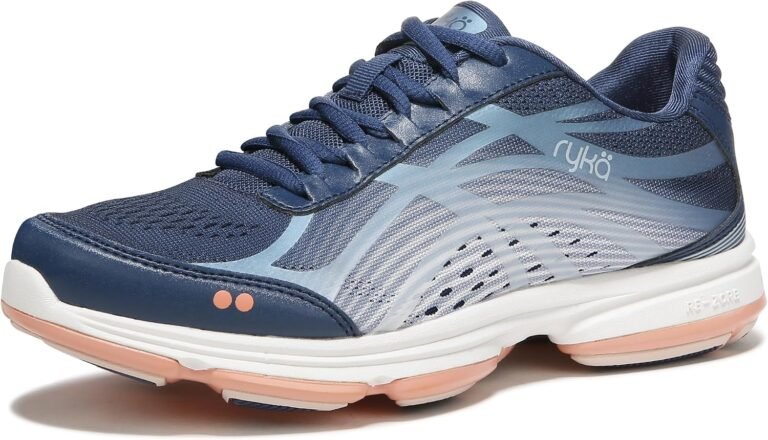
How to Fit Walking Shoes: A Complete 2026 Guide
The best way to fit walking shoes is to measure your feet at the end of the day and leave a half-inch of space between your longest toe and the shoe’s end. This gives your feet room to swell and move naturally as you walk. If your toes touch the front, the shoes are too small.
Getting the right fit is about more than just size. You also need to check the width of the shoe and how it holds your heel securely in place. We found that many people wear shoes that are too narrow, which can cause blisters and foot pain. A good walking shoe should feel snug but not tight, with no rubbing or slipping.
- Measure your feet at the end of the day when they are largest.
- Use the thumb test for a half-inch of space at the toe.
- Check the width so your foot doesn’t spill over the sides.
- Secure the heel with laces to prevent slipping.
- Walk around the store to test for comfort and support.
Below, we break down the exact steps to find your perfect fit, from measuring at home to testing shoes in the store. Let’s get you walking comfortably.
Getting Your Walking Shoe Fit Right
Finding the right fit for your walking shoes starts with understanding how your feet change during the day. Your feet swell as you move, so a shoe that feels fine in the morning can feel tight by the afternoon. The best time to measure your feet is at the end of the day, when they are at their largest. This simple step helps you avoid buying shoes that are too small.
You should also know that your feet change over time. Many people find they need a larger size in their 40s than they did in their 20s. We found that getting a fresh measurement each time you buy shoes is the smartest approach. Don’t rely on the size you wore last year.
It is also a good idea to measure both feet. One foot is often slightly bigger than the other. Always fit the larger foot, and use that size when you try on shoes. This prevents discomfort and blisters on your bigger foot.
Gathering Your Measuring Tools
You don’t need fancy equipment to measure your feet at home. A piece of paper, a pencil, and a ruler are all you need. Place the paper on a hard, flat floor against a wall. Stand on the paper with your heel touching the wall. This gives you the most accurate length.
Trace the outline of your foot with the pencil held straight up and down. Then, use the ruler to measure the distance from the wall to the tip of your longest toe. That is your foot length. Write it down, and repeat on the other side.
Many people trace only their foot, but standing puts your full weight on it. That weight flattens and widens your foot, which is how it will behave inside the shoe. Sitting down while tracing gives you a smaller, less accurate size.
Understanding Shoe Sizes and Widths
Once you have your foot length in inches, compare it to a sizing chart. Shoe brands use these charts to assign sizes. Keep in mind that sizes vary slightly between brands. A size 8 in one brand might feel like an 8.5 in another. Always try shoes on before you commit.
Width is just as important as length. Many people overlook it, but narrow shoes cause a lot of foot pain. You can check the width by looking at the ball of your foot. Your toes should not spill over the edge of the sole. You should have a little wiggle room, but not so much that your foot slides side to side.
Shoes come in standard widths like B (narrow), D (medium), and E (wide). If you have flat feet or bunions, you might need a wide size. We found that trying on shoes in person is the best way to know your true width.
Testing the Fit Inside the Shoe
Putting on the shoe is where the real test begins. Use the laces to secure your foot properly. Start by loosening the laces completely, then slide your foot in. Tighten the laces from the bottom up, so the shoe hugs your heel and midfoot. This prevents your foot from sliding forward when you walk.
The heel should feel snug, almost like a handshake. If you can lift your heel out of the shoe while walking, the fit is too loose. A secure heel prevents blisters and keeps your foot stable. Many guidelines point to a snug heel as a key sign of a good fit (Mayo Clinic).
Your toes need room to move. A half-inch of space between your longest toe and the shoe’s end is the standard rule. You can test this by pressing your thumb on the toe box. If you feel about a thumb’s width of space, you are good to go.
The Thumb Test for Toe Space
Here is the easiest way to check toe space. After lacing up the shoe, stand up straight. Press your thumb down on the top of the shoe at the toe. If your thumb fits snugly between your toe and the shoe’s end, the length is right. If your toe touches the front, size up.
Remember to check this on your longest toe, which might not be your big toe. Many people have a longer second toe. Use that toe for the measurement. It only takes a second, and it saves you from a lot of pain later.
Checking the Width Around the Ball of Your Foot
The widest part of your foot is the ball, just behind your toes. This area should sit in the widest part of the shoe. If the shoe feels tight here, try a wide version. If you feel fabric bunching up, the shoe is probably too wide.
You can also check for pressure points by wiggling your toes. You should be able to move all five toes freely inside the shoe. If they feel cramped or squished, the toe box is too narrow. Research and found that narrow toe boxes can lead to foot deformities over time (NIH).
Walking Around the Store to Test Comfort
The real test of a walking shoe is how it feels in motion. Walk around the store for at least five minutes. Pay attention to any rubbing, slipping, or pinching. These small annoyances will only get worse over miles of walking.
Walk on different surfaces if the store allows it. Try a hard floor and a carpeted area. This gives you a feel for how the shoe grips and supports your foot. You should feel stable on both surfaces.
Many stores have a return policy that lets you walk outside. Use that if you can. A quick lap around the block tells you more than walking on a store carpet. We found that testing shoes in real conditions prevents most fit issues.
Checking for Heel Slippage
Heel slippage is a common issue with walking shoes. A good test is to lace up the shoe and walk normally. If your heel lifts and rubs against the back of the shoe, the fit is wrong. You might need a smaller size or a different lace pattern.
Try using the extra eyelet at the top of the shoe, called a lace lock. This creates a tighter hold around your ankle. It stops your heel from sliding out. Many walkers use this trick to get a better fit without changing sizes.
Assessing Arch Support and Cushioning
Your arch type affects how much support you need. Flat feet need more stability, while high arches need more cushioning. Stand in the shoe and notice where your foot presses down. You should feel even pressure across your arch.
If the shoe feels too stiff or too soft, try another model. The right balance of support and cushioning keeps your foot comfortable on long walks. Many experts say that pain in the arch is a sign of poor support (Cleveland Clinic). If you want a specific model to try, our Easy Spirit Romy walking shoe review covers its comfort and fit.
Your Final Walking Shoe Fit Checklist
Use this quick list before you buy your next pair of walking shoes. It covers all the essential points we discussed. Check each one, and you will leave the store with a pair that fits great.
- Measured your feet at the end of the day, standing up.
- Left a half-inch of space at the longest toe.
- Checked the width at the ball of your foot.
- Secured the heel so it doesn’t slip when walking.
- Walked around for at least five minutes in the store.
- Tried on both shoes with the socks you plan to wear.
Going through this checklist takes about ten minutes. That is a small price to pay for pain-free walking. Your feet carry you everywhere, so they deserve shoes that fit well.
Comparing Walking Shoe Types for Fit
Different walking shoes fit differently depending on their design. Here is a simple comparison of common types and what to look for in each one. For a rundown of top-rated models, see our guide to the best walking shoes and boots.
| Shoe Type | Best For | Fit Focus |
|---|---|---|
| Motion Control | Flat feet or overpronation | Firm heel and arch support |
| Cushioned | High arches, joint pain | Soft midsole, roomy toe box |
| Stability | Normal arches, mild overpronation | Balanced support and flexibility |
| Trail | Off-road walking | Snug fit, protective toe cap |
Think about where you will walk most often. That will guide you to the right type. Then, apply the same fit rules to whichever style you choose.
Why Socks Matter for Fit
The socks you wear change how a shoe fits. Thick socks take up more room, so you might need a half size up. Thin socks mean a snugger fit. Always try on shoes with the same type of socks you plan to wear daily.
If you walk in the morning, wear your morning socks. If you walk in the evening, wear those. Your socks should also be moisture-wicking to prevent blisters. Cotton socks hold sweat and cause friction.
When to Replace Your Walking Shoes
Even the best walking shoes wear out. Most shoes last between 300 and 500 miles. If you walk three miles a day, that is roughly every 4 to 6 months. Pay attention to the tread and the midsole. A worn-down shoe loses its support and cushioning.
You can also do a simple twist test. Hold the shoe at both ends and twist. If it twists easily, the support is gone. You should also check for uneven wear on the sole. These signs mean it is time for a new pair.
Conclusion
Finding the right walking shoes comes down to three simple things: measure your feet, leave a half-inch of toe room, and secure your heel. Do this at the end of the day when your feet are largest. Try shoes on with your walking socks and move around the store for a few minutes.
Your feet will thank you on every walk. A good fit prevents blisters, foot pain, and long-term issues. So grab that measuring tape, check both feet, and use the thumb test before you buy. Your next pair of walking shoes should feel comfortable from the very first step.
Frequently Asked Questions
How much bigger should walking shoes be than my normal shoe size?
Walking shoes should be about a half size bigger than your dress shoes. You need that extra half-inch of space at the toe for foot swell during walks. This prevents your toes from hitting the front of the shoe.
Should I buy walking shoes in the morning or evening?
Always shop for walking shoes in the evening. Your feet swell throughout the day and are at their largest by late afternoon. Shoes that fit in the morning will feel tight by the time you walk.
Can I wear running shoes for walking instead?
Running shoes can work for walking, but they are not ideal. Running shoes have a stiffer heel and more forward lean for running motion. Walking shoes offer more flexibility in the sole and better support for a heel-to-toe walking stride.
How do I know if my walking shoes are too narrow?
Check the ball of your foot while standing in the shoe. If you see your foot spilling over the edge of the sole, they are too narrow. You should be able to wiggle your toes freely without any pinching.
What if one foot is bigger than the other when fitting shoes?
Fit your larger foot when trying on walking shoes. Most people have one foot slightly bigger than the other. If the smaller foot feels a bit loose, you can add an insole or wear thicker socks for that foot.