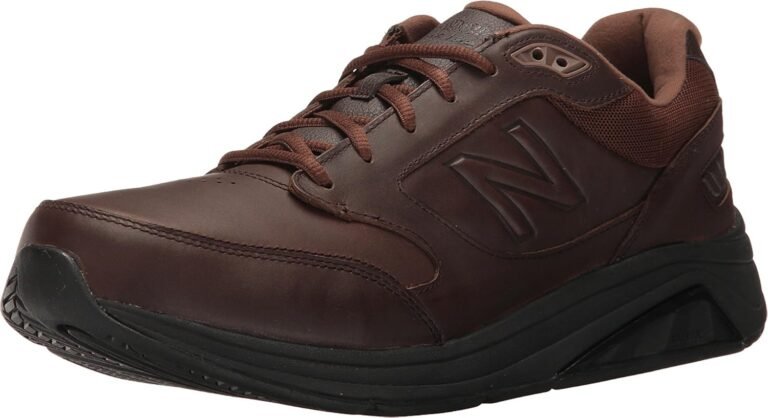
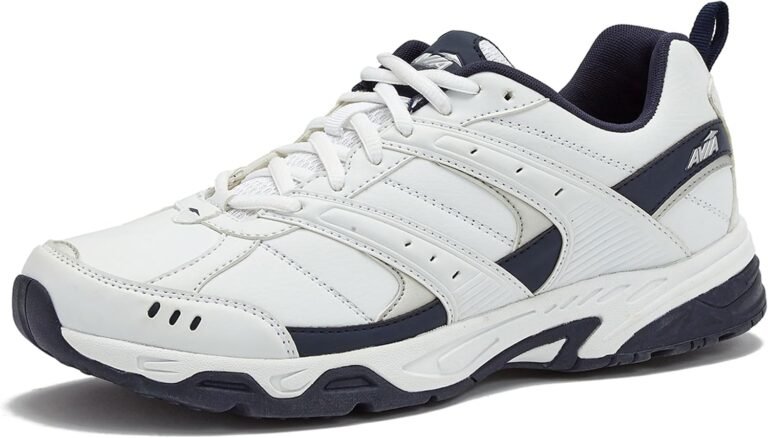
How to Choose Walking Shoes for Men
To choose the right walking shoes for men, focus on three things first: arch type, cushioning level, and proper fit. Start by doing a simple wet test at home to see if you have flat, neutral, or high arches. That one step tells you exactly which shoes will keep your feet happy and pain-free.
Your walking shoes are your most important piece of fitness gear. We found that the right pair can prevent blisters, knee pain, and backaches before they even start. The wrong pair, though, can turn a simple mile into a miserable experience. You don’t need fancy tech or a huge budget—you just need shoes that match your feet and your walking style.
TL;DR — The Quick Guide to Choosing Walking Shoes
- Know your arch: Wet your foot and check the print. Flat feet need motion control, high arches need cushioning.
- Measure both feet: They are often different sizes. Shop later in the day when your feet are naturally swollen.
- Check the toe box: You need about a thumb’s width of space between your longest toe and the shoe’s end.
- Bend test: The shoe should bend at the ball of your foot, not in the middle. That’s a sign of good flexibility.
- Don’t skip the break-in: Even the best shoes need a few short walks to feel right.
Below, we break down every step you need to nail this choice, from the right size to the best materials for your needs. Let’s walk through it together so you can hit the pavement with total confidence.
Picking the Right Walking Shoes for Men
Walking is one of the easiest ways to stay active. But your feet carry the load. We found that most men wear the wrong shoes without knowing it. The fix starts with understanding your foot shape. Then, you match that shape to the right shoe type. This simple process changes everything about how your walks feel.
Start With Your Arch Type
Your arch is the bridge of your foot. It controls how your weight lands with each step. Flat arches roll inward. High arches roll outward. Neutral arches roll evenly. Knowing yours helps you pick the right support level.
Here is the easiest way to check at home. Wet your foot. Step on a piece of paper. Look at the print you leave behind.
- Flat arch: You see almost the whole foot. No curve on the inside.
- Neutral arch: You see the heel, the ball, and a thin strip connecting them.
- High arch: You see only the heel and the ball. Very little connection between them.
Health experts note that knowing your arch type is a solid first step for choosing supportive footwear (Mayo Clinic). Flat feet often need motion control shoes. High arches need extra cushioning. Neutral arches can wear most standard walking shoes.
Match Cushioning to Your Needs
Cushioning absorbs the shock of each step. Too little, and your joints feel every impact. Too much, and your feet feel unstable. We found that most walkers prefer a medium level of cushioning. It offers comfort without losing ground feel.
Heavier men usually need more cushioning. Lighter men can get away with less. If you walk on hard surfaces like concrete, go for a softer midsole. If you walk on trails or grass, a firmer sole works better. Think of cushioning like a mattress. You want support, not a swamp.
Getting the Perfect Fit Every Time
Fit matters more than any other feature. A great shoe in the wrong size is useless. Many experts say that most people wear shoes that are too small. Your feet change as you age. They get longer and wider. You need to measure them fresh, not rely on last year’s size.
Measure Both Feet, Not Just One
Your feet are rarely identical. One is often slightly longer or wider. Always fit the larger foot. Shop for shoes later in the afternoon. Your feet swell naturally as the day goes on. Shoes that fit in the morning may feel tight by evening. That is a common mistake we see all the time.
Ask for a proper measurement at the store. Or measure at home with a ruler and a piece of paper. Trace your foot, then measure the length from heel to longest toe. Add about half an inch for wiggle room.
The Thumb’s Width Rule
Here is a quick trick that always works. After you put the shoe on, slide your thumb between your heel and the back of the shoe. It should fit snugly. Then, check the front. You want about a thumb’s width of space between your longest toe and the end of the shoe. This prevents your toes from jamming during the walk.
Your toes should be able to wiggle freely. If they feel cramped, size up. If your foot slides around, size down. The heel should lock in place without slipping when you walk.
Check the Toe Box Width
Many walking shoes have narrow toe boxes. That squeezes your toes together. Over time, this causes blisters and bunions. Look for a toe box that matches the natural shape of your foot. Your toes should spread out slightly when you stand.
We found that wide-fit options help many men. Brands now offer width sizes like wide (E) and extra wide (EE). Do not settle for a shoe that pinches. Your toes will thank you on mile five.
Testing Flexibility and Bend
A walking shoe needs to bend where your foot bends. That is at the ball of your foot. Not in the middle. Not at the heel. A shoe that bends in the wrong place puts stress on your arches and ankles.
Try this simple test. Hold the shoe with both hands. Bend the toe up toward the tongue. It should flex right at the widest part. If it bends in the middle, it is too soft. If it barely bends at all, it is too stiff. Look for that sweet spot between firm and flexible.
The Twist Test for Stability
Grab the shoe at both ends. Twist it like you are wringing out a towel. A good walking shoe resists twisting. If it twists easily, it lacks support. Your foot needs a stable base under the arch. This prevents overpronation and helps keep your knees aligned.
You also want a firm heel counter. That is the back part of the shoe that cups your heel. Press on it. It should not collapse inward easily. A strong heel counter keeps your foot stable with every step.
Choosing the Right Materials
The upper part of the shoe matters more than you think. It wraps your foot and affects breathability. Mesh uppers are lightweight and let air flow. That keeps your feet cool and dry. Leather uppers are more durable but heavier and less breathable. We found that most men prefer mesh for everyday walking.
The sole material also matters. Most walking shoes use rubber or foam compounds. Rubber gives you grip and durability. Foam gives you comfort and shock absorption. A good outsole has both. Look for a sole with some tread pattern. That helps on wet pavement or light trails.
Why Weight Makes a Difference
Lighter shoes mean less effort per step. Over a long walk, that adds up. A heavy shoe makes you tired faster. But ultra-light shoes often have less cushioning. You need to balance weight with support.
For most men, a walking shoe around 10 to 12 ounces works well. We found that this range offers good support without weighing you down. Pick up the shoe in the store. If it feels heavy in your hand, it will feel heavy on your feet.
Walking Shoe Types Compared
Not all walking shoes are created equal. Different styles serve different purposes. Here is a quick comparison to help you narrow down your options.
| Shoe Type | Best For | Key Feature |
|---|---|---|
| Motion Control | Flat arches, overpronation | Firm heel, stiff midsole |
| Cushioned | High arches, joint pain | Soft foam, extra shock absorption |
| Stability | Neutral arches, mild overpronation | Balanced support and cushioning |
| Trail Walking | Off-road paths, uneven ground | Aggressive tread, rugged outsole |
| Minimalist | Experienced walkers, natural feel | Thin sole, zero drop |
We found that stability shoes are the safest choice for most men. They offer a good mix of support and comfort. If you have specific foot issues, lean toward motion control or cushioned styles instead.
Common Mistakes to Avoid
You now know what to look for. But knowing what to avoid is just as important. We have seen these mistakes over and over in our research. Skip them, and you will save yourself a lot of foot pain.
- Buying the wrong size: Always measure your feet fresh. Do not assume your size from years ago.
- Ignoring your arch type: Wearing the wrong support level causes knee and hip pain.
- Choosing style over comfort: Fashionable shoes rarely make good walking shoes.
- Skipping the break-in: Wear new shoes for short walks first. Let your feet adjust.
- Keeping shoes too long: Most walking shoes last 300 to 500 miles. Replace them after that.
- Forgetting socks: Wear the same socks you will wear while walking. Thick socks change the fit.
Your Final Checklist Before Buying
You are almost ready to shop. Use this checklist to make sure you get it right. Print it out or save it on your phone. Take it with you to the store.
- You know your arch type from the wet test.
- You measured both feet later in the day.
- You left a thumb’s width of space in the toe box.
- Your heel fits snugly without slipping.
- The shoe bends at the ball of your foot, not the middle.
- The shoe resists twisting when you wring it.
- You are wearing your walking socks for the fitting.
- You walked around the store for at least five minutes.
Take your time. Do not rush the decision. The right pair of walking shoes is an investment in your health. Your feet carry you everywhere. Give them the support they deserve. That is the whole secret to comfortable, pain-free walking.
Conclusion
You now have everything you need to pick the right walking shoes. Start with your arch type, then match the cushioning, and never skip the fit tests. Remember to measure both feet later in the day and leave a thumb’s width in the toe box.
The best shoe is the one that disappears on your foot. You should feel supported, not squeezed or sliding around. Take your checklist to the store and walk around for a few minutes before you commit.
Your next step is simple. Grab a piece of paper, wet your foot, and check your arch type today. Then use that info to shop with confidence. Your feet will carry you for thousands of miles. Give them the right foundation.
Frequently Asked Questions
How often should I replace my walking shoes?
Most walking shoes last between 300 and 500 miles. If you walk 30 minutes a day, that means replacing them every 6 to 8 months. Check the outsole for wear and the midsole for compression. When the cushioning feels flat, it is time for a new pair.
Can I use running shoes for walking?
Yes, but with some caveats. Running shoes are built for forward motion and higher impact. Walking shoes are stiffer in the midsole and more flexible at the toe. If you already own running shoes that feel stable, they can work for casual walks. For daily walking, a dedicated pair is better for your feet.
Should I buy walking shoes a half size bigger?
Not automatically. You need about a thumb’s width of space in the toe box, which often means going up a half size from your dress shoe size. But this depends on the brand and the shoe’s shape. Always measure your feet and try on both sizes before deciding.
What is the difference between walking shoes and cross trainers?
Walking shoes are designed for repetitive heel-to-toe motion. Cross trainers are made for multi-directional movement like gym workouts. Cross trainers have a wider base for lateral support. If you walk in straight lines most of the time, a walking shoe is the better choice.
Are expensive walking shoes worth the money?
Not always. Price does not guarantee the right fit for your foot. A $150 shoe that does not match your arch type is worse than a $70 shoe that fits perfectly. Focus on the features you need, not the price tag. The best shoe is the one that passes all your fit tests.