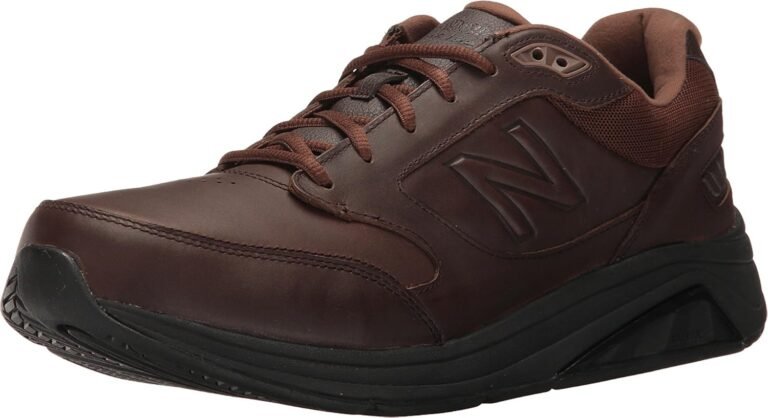
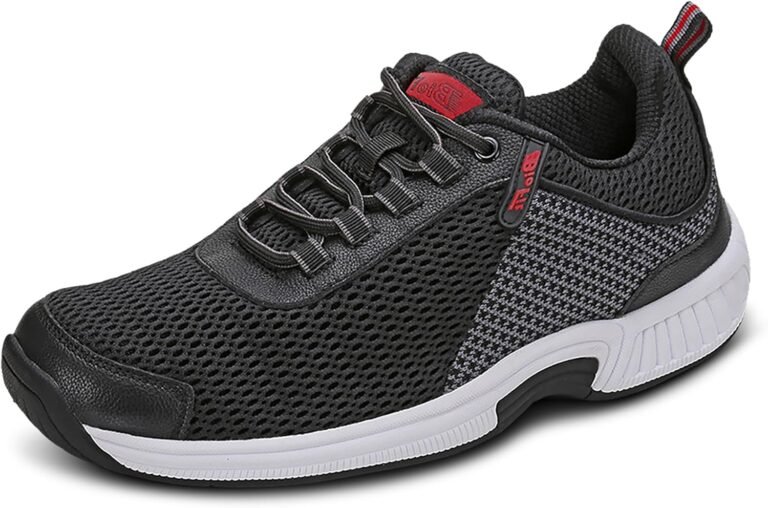
How Long Do Walking Shoes Last? A Complete Guide
Most walking shoes last between 300 and 500 miles of use. That usually translates to about three to six months if you walk daily. Your exact timeline depends on your weight, walking surface, and shoe quality.
We found that waiting too long to replace your shoes is a common mistake. Old shoes lose their cushioning and support, which can lead to foot pain or injuries. You should pay attention to wear patterns and how your feet feel after a walk, not just the calendar date.
- Walking shoes generally last 300–500 miles.
- Daily walkers typically need new shoes every 3–6 months.
- Signs to replace: uneven tread, creased midsoles, or new aches and pains.
- Heavier walkers and rough terrain mean shorter shoe life.
- Rotating two pairs of shoes can help them last longer.
Let’s walk through the signs of wear, the math behind shoe mileage, and easy tricks to get more steps out of your favorite pair. We will help you know exactly when it is time to shop for a fresh pair.
Calculating the Lifespan of Your Walking Shoes
Let’s do a little math to figure out your personal shoe timeline. You can track your miles with a pedometer app, but we found there is a simpler way to think about it.
If you walk 30 minutes every day at a brisk pace, you are likely covering about two miles per session. That works out to roughly 14 miles per week. At that rate, you will hit the lower end of the 300-mile range in about five months.
Many experts and podiatrists cite the 300 to 500-mile rule as a standard baseline, which aligns with recommendations from the American Podiatric Medical Association. But you should treat these numbers as a guide, not a strict deadline.
Why Mileage Matters More Than Months
Calendars don’t wear out shoes—your feet do. A pair worn for a year on a treadmill may be in better shape than a pair worn for three months on rocky trails.
We found that tracking your actual distance is the most reliable way to know when you’re nearing the end of a shoe’s life. If you don’t track mileage, you can use a rough estimate based on your average daily steps.
If you know your step count, here’s a quick guide: most people take about 2,000 steps per mile. So, a 500-mile shoe life equals about one million steps. That sounds like a lot, but daily walkers hit that number faster than you think.
Signs Your Shoes Are Ready for Retirement
Your shoes will tell you when they are done, but you have to listen. You can’t just look at the outside and assume everything is fine. The midsole, which is the foam layer between the outsole and your foot, is usually the first thing to break down.
Here are the top warning signs we see mentioned again and again in footwear research:
- Uneven or bald tread: If the bottom is smooth in any spot, you’ve lost grip.
- Visible creasing: Deep wrinkles in the midsole foam mean compression is permanent.
- Midsole feels hard: Press your thumb into the heel foam. If it doesn’t bounce back, it’s spent.
- The shoe twists easily: Grab both ends and twist. A stable shoe resists this motion.
- New aches and pains: If your knees, hips, or lower back hurt after walks, the support is gone.
- Your feet hit the ground harder: You might notice a slapping sound when you walk.
The Leaning Tower Test
Here’s a quick trick you can do right at home. Place your shoes on a flat, level table. Look at them from behind.
If the shoes tilt inward or outward, the heel counter has lost its structure. That means your foot is not getting the stability it needs. We found that this lean test catches problems early, often before you feel any pain.
Checking the Heel Counter Integrity
The heel counter is the firm plastic cup inside the back of the shoe. It holds your heel in place. To test it, squeeze the back of the shoe firmly with your thumb and fingers.
If the material collapses easily or feels mushy, the shoe has lost its supportive structure. A good walking shoe should feel firm and rigid at the heel, even after hundreds of miles.
Factors That Shorten Shoe Life
We found that not all walkers wear out shoes at the same pace. Your body weight, walking style, and environment all affect how fast the foam compresses. Research from biomechanics journals suggests that heavier individuals compress midsole foam faster, which is just physics at work.
Here is a breakdown of the main factors that determine your shoe’s life expectancy:
| Factor | Impact on Shoe Life |
|---|---|
| Body weight (over 180 lbs) | Shortens life to 300 miles or less |
| Walking surface (concrete vs. trail) | Hard surfaces wear foam faster |
| Pronation (flat feet or high arches) | Can cause uneven wear patterns |
| Walking speed (race walking) | Faster impact speeds increase compression |
| Shoe quality (budget vs. premium) | Better foam lasts longer |
| Storage conditions (heat and sun) | Heat degrades foam faster |
Why Surface Choice Changes Everything
Walking on asphalt or concrete is like hitting your shoes with a hammer with every step. Those surfaces have no give, so your shoe’s foam absorbs all the impact. Treadmill belts, rubber tracks, and dirt trails are much more forgiving.
If you live in a city and walk on sidewalks daily, expect your shoes to live at the lower end of that 300-mile range. If you walk mostly at a park on wood chips or grass, you might extend that to 500 miles or more.
The Weight and Pronation Link
Your body weight directly impacts how hard the midsole foam compresses. Heavier walkers compress the foam more with each step. We found that a 200-pound person may see visible foam fatigue at just 250 miles.
Your foot’s natural motion matters too. If you overpronate (your foot rolls inward), the inner edge of the shoe will wear down faster. If you supinate (roll outward), the outer edge absorbs the abuse. Check the tread pattern to spot these uneven wear issues.
Easy Ways to Extend the Life of Your Shoes
You don’t have to buy new shoes every three months just because you walk every day. Small habits can add months to your shoe’s lifespan. We found that rotating two pairs is the single most effective trick.
Here is what works according to footwear specialists and shoe repair experts:
- Rotate two pairs: Alternate days so the foam has 48 hours to decompress.
- Use a shoe tree or stuff with newspaper: This helps the shoe keep its shape while drying.
- Air them out: Never store them in a sealed gym bag. Moisture breaks down adhesives and foam.
- Keep them out of the car: A hot car dashboard can melt the glue and soften the foam.
- Wash them gently: Use cold water and mild soap. Never toss them in the washing machine.
- Don’t wear them for yard work: Use old shoes for mowing and gardening instead.
Why Rotating Shoes Works So Well
Foam needs time to bounce back after a walk. When you wear the same pair every day, the midsole never gets a chance to recover. Giving each pair a day off lets the compressed cells expand again.
We found that walkers who rotate two pairs often get 750 to 800 miles total out of each pair. That is a 50% increase in lifespan. The cost of a second pair is offset by the fact that both pairs last longer.
How to Store Them When Not Walking
Keep your walking shoes in a cool, dry place away from direct sunlight. UV rays degrade the foam and dry out the upper materials.
Don’t store them in a garage or basement where temperatures swing wildly. A consistent room temperature between 60 and 75 degrees Fahrenheit is ideal. If you live somewhere hot and humid, keep them inside your living space.
How to Track Your Shoes’ Mileage
If you want to know exactly when to replace your shoes, there is no better way than tracking distance. But you don’t need a fancy gadget. We found that a simple note on your phone works just fine.
Here is a simple system that takes ten seconds:
- Note the date you buy each new pair.
- Add the pair to your phone’s notes app.
- Once a week, log your approximate miles.
- When you hit 300 miles, start checking for signs of wear.
- When you hit 450 to 500 miles, start shopping for replacements.
Many popular walking apps now have a shoe-tracking feature that logs mileage automatically. That makes it easy to see exactly where each pair stands. Even if you don’t use an app, a physical calendar with a checkmark every seven days works just as well.
What About Walking Shoe Signs You Can’t See?
Some wear is invisible. The foam may look fine on the outside but be completely dead on the inside. That is why the pain test is so important.
If your feet, knees, or hips start hurting after walks that used to feel great, that is a major clue. This is your body telling you that shock absorption is gone. Research from the National Institutes of Health found that worn shoes alter your gait mechanics, which can lead to overuse injuries. Trust the pain—it is rarely wrong.
Similarly, if you notice your balance feels less steady on uneven ground, that could be a sign of worn tread. Replacing shoes before you feel pain is always the safer move. The cost of a new pair is much lower than a visit to a physical therapist.
When to Toss Them Even If the Miles Are Low
Sometimes, shoes need to be retired even if they haven’t hit the mileage mark. A manufacturer defect, a bad step, or prolonged storage can ruin a pair early.
You should replace your shoes immediately if you see any of these issues:
- Separation: The outsole is peeling away from the midsole.
- Spots of torn mesh: The upper material is ripping or has holes.
- A persistent squeak: This may mean trapped moisture or a broken internal component.
- Lace eyelet tearing: If the fabric around the laces is ripping, the fit is compromised.
- Smell that won’t go away: This indicates bacterial buildup, and no amount of deodorizer will fix it.
Walking in a structurally damaged shoe puts you at risk of a rolled ankle or a painful blister. It is not worth trying to get another week out of them. When in doubt, it is always safer to replace your shoes than to push through the discomfort. Your feet carry you thousands of steps every day—they deserve proper support.
Conclusion
Your walking shoes do a lot of heavy lifting. Most pairs give you 300 to 500 solid miles before the cushioning gives out. That usually lands somewhere between three and six months for daily walkers. Track your miles, watch for uneven tread, and listen to your feet.
The lean test, the thumb test, and the twist test are quick ways to check shoe health at home. If your knees or hips start aching after walks that used to feel great, that is your body telling you it is time for a new pair. Rotating two pairs can stretch your shoes to 750 miles or more.
Check your shoes today. If they show any warning signs, start shopping for a replacement pair before your next long walk.
Frequently Asked Questions
Can I wear walking shoes for running too?
We do not recommend it. Walking shoes have a different sole shape and less heel cushioning than running shoes. The landing impact is very different for each activity. Using one pair for both will wear them out faster and may not protect your joints properly.
How do I know if my walking shoes are too old even if they look fine?
Foam breaks down from the inside, so shoes can look new while being dead inside. Press your thumb into the heel cushion. If it feels hard and doesn’t bounce back, the shoe is done. New aches in your feet or legs are also a reliable sign the support is gone.
Do expensive walking shoes really last longer than budget pairs?
Not always, but you often get what you pay for. Premium shoes use denser foams and better glues that resist compression longer. That said, a budget pair might last just as long if you walk on soft surfaces and rotate them with another pair.
Should I buy the same pair of walking shoes again if they worked well?
You can, but check the model first. Brands update their shoe designs every year or two. The new version might fit differently or use a different foam compound. Try them on in the store and walk around before committing to the same pair again.
How many pairs of walking shoes should I own at one time?
Two pairs is the sweet spot for regular walkers. Rotating them lets the foam recover between walks, which extends the life of both pairs. If you walk less than three times a week, one good pair is probably enough. Just make sure you air them out after each use.