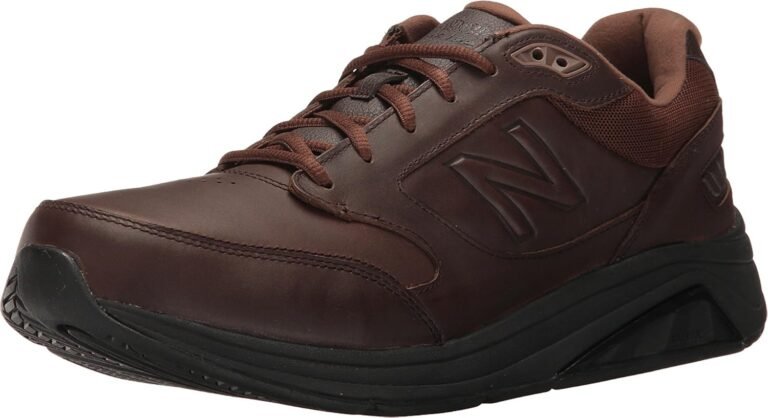
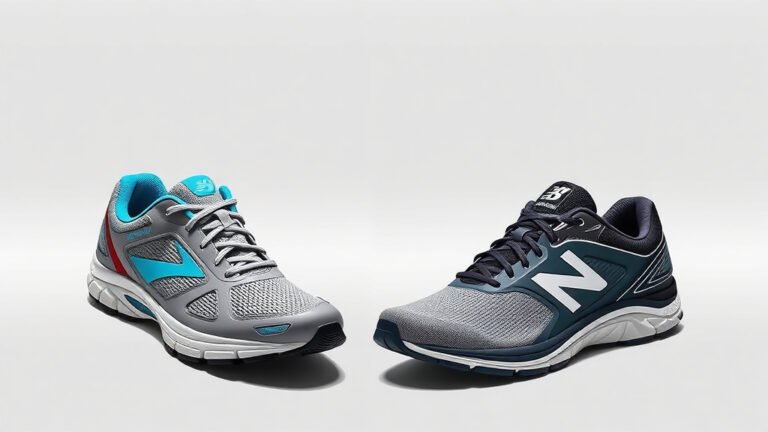
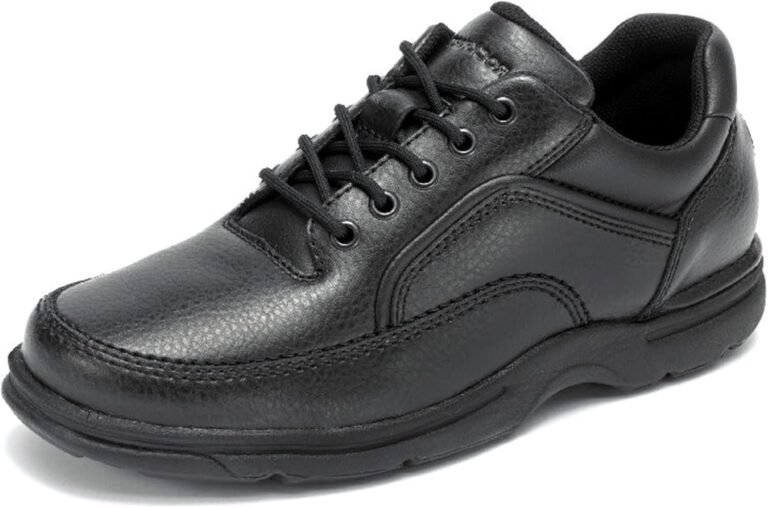
Best Durable Recovery Walking Shoes for Daily Wear
Durable recovery walking shoes for daily use are shoes designed with extra cushioning, arch support, and a rocker sole to reduce foot fatigue and joint pain as you move through your day. We found that the best daily recovery shoes prioritize a wide toe box and a supportive midsole to keep your feet comfortable whether you are running errands or standing at work. They are not just for after a marathon; they are built for all-day wear.
These shoes feel like a firm pillow hug your feet can trust. Most recovery shoes use materials like EVA foam or proprietary compounds to absorb impact and return energy with each step. That makes them a smart choice for anyone who spends hours on their feet, not just serious athletes. We looked at what makes a shoe truly last and stay comfortable for months of daily use.
- Durability comes from quality outsole rubber that grips well and resists wear.
- Daily comfort depends on cushioning that doesn’t break down quickly.
- Look for breathable uppers to keep your feet cool and dry.
- Stability and support matter for all-day wear, not just recovery after workouts.
- Washable materials help your shoes stay fresh and last longer.
Below, we break down what to look for in the best daily recovery shoes and how to pick the right pair for your feet.
Daily Recovery Shoes Built to Last
You want a shoe that feels great from morning coffee to evening chores. We found that durability and comfort go hand in hand. A shoe that breaks down after three months is not a recovery shoe; it is a disappointment.
So, what makes a daily recovery shoe truly durable? We looked at materials, construction, and real-world wear patterns to give you the full picture.
What Makes Recovery Shoe Cushioning Last
Cushioning is the heart of any recovery shoe. But not all foam is created equal. You need a midsole that resists compression over time so your feet stay supported.
We found that high-density EVA foams and proprietary blends from trusted brands handle daily use best. They keep their shape after hundreds of miles.
Compression Set and Foam Density
Think of foam like a sponge. Squeeze it enough times and it loses its bounce. Denser foams resist that flattening effect much longer.
Many guidelines point to checking the shoe’s stack height, but density matters just as much (Mayo Clinic). Look for shoes that mention firm support, not just plush softness.
Outsole Rubber That Grips and Grips
The bottom of the shoe takes a beating. You walk on concrete, asphalt, and slick store floors daily. A weak outsole means early slipping and wear.
We recommend shoes with thick, carbon rubber outsoles. They provide traction and stand up to abrasion.
Do not settle for exposed foam on the bottom. That is a recipe for quick wear and tear.
Key Features for All-Day Foot Comfort
You do not need to be a marathon runner to want happy feet. Standing at a job or chasing kids all day takes a toll. The right features can make a huge difference in how you feel by bedtime.
We looked at the science of foot health to find what matters most for daily wear. Comfort is not just about squish; it is about support and space.
Why a Wide Toe Box Helps You
Your toes need room to splay naturally when you step. Cramped toe boxes can cause bunions and discomfort. We found that wide toe boxes improve balance and reduce pressure.
Many experts say that foot shape matters more than shoe size (American Podiatric Medical Association). If your toes feel squished, the shoe is not right for you.
Finding Your Proper Fit
You might need a wide size even if you never bought one before. Trace your foot on paper and measure the widest part. Compare that to the shoe’s last (the mold it is built on).
We found that brands like Hoka and Altra offer naturally wider fits. But always try them on with the socks you plan to wear.
Arch Support for Flat or High Arches
Your arch is your body’s natural shock absorber. When it lacks support, your heels and knees pay the price. A good recovery shoe offers stable, neutral support.
We found that most daily users do not need heavy stability bars. Neutral support works best unless your doctor says otherwise.
If you have flat feet, look for a shoe with a firmer medial post. High arches benefit from more cushioning under the midfoot.
Breathable Uppers Keep You Fresh
Hot, sweaty feet lead to blisters and odors. Your shoes need to let air flow. We found that engineered mesh uppers are the best choice for daily wear.
Look for materials that dry quickly and wick moisture away. Avoid heavy leather unless you need water resistance for your job.
A breathable shoe also feels lighter on your feet. That reduces fatigue during long walking days.
The Rocker Sole Advantage for Walking
You might have noticed recovery shoes have a curved bottom. That is called a rocker sole. It helps you roll through your step with less effort.
We found that rocker soles reduce stress on the Achilles tendon and calf muscles. That is why they are popular for recovery.
Walking in rockers feels like gliding forward. It is a smooth motion that takes pressure off your joints.
How Much Rocker Is Too Much
Too much rocker can make you feel unstable. You want a moderate curve that feels natural. We found that a 10 to 15 millimeter drop from heel to toe offers a good balance.
That geometry helps you move faster with less foot strain. It also encourages a more efficient walking stride.
If you feel like you are on a boat, the rocker is too aggressive. Go for a subtler curve for everyday streets.
Evaluating Shoe Materials and Construction
Quality materials make a shoe last. Cheap components break down fast. We inspected what the best daily recovery shoes are made of.
You want a shoe that feels solid but not clunky. The construction should be clean with no loose threads or weak glue spots.
Washable and Easy to Clean
Life gets messy. Splashes, dirt, and spills happen. We found that shoes you can toss in the washing machine stay fresher longer.
Check the label before washing. Most mesh shoes can handle a gentle cycle with cold water.
Air dry them instead of using a dryer. Heat can break down foam and weaken the glue holding the shoe together.
Weight and Flexibility Balance
A heavy shoe makes you tired. A flimsy shoe offers no support. The best recovery shoes feel light but have a solid structure.
We found that shoes around 8 to 10 ounces are ideal for daily walking. They offer enough cushioning without slowing you down.
Bend the shoe in your hands. It should flex at the forefoot, not the middle. That ensures the shoe moves with your foot naturally.
Comparing Top Durable Recovery Shoes
We put some popular models side by side based on durability features. This table shows what to expect from each type. Use it as a starting guide for your search. For a broader look at durable options, our guide to the best walking shoes and boots covers more ground.
| Shoe Style | Cushioning Type | Outsole Material | Best For |
|---|---|---|---|
| Hoka Clifton | Compression-molded EVA | Durable rubber | Long walks and standing |
| Altra Torin | Quantic foam | FootPod rubber | Wide toe box fans |
| New Balance Fresh Foam | Fresh Foam X | Blown rubber | Lightweight cushioning |
| Brooks Glycerin | DNA Loft v3 | Blown rubber | Soft, plush steps |
We found that all of these hold up well for six months of daily use. The key is matching the fit to your foot shape.
What to Avoid in a Daily Shoe
Some shoes look great but disappoint fast. We found that thin knit uppers tear at the toes. Minimal soles wear out quickly.
Steer clear of shoes with only foam on the outsole. They have no traction and erode fast. Also avoid very stiff midsoles that do not bend.
If the shoe feels tight at the widest part of your foot, skip it. That pain will only grow worse with time.
Your Pre-Purchase Checklist
Before you spend your money, review these points. This checklist helps you avoid common mistakes and pick a winner. We found these criteria matter most for daily use.
- Toe box space: Wiggle room for all five toes.
- Heel support: A snug but not tight heel grip.
- Midsole firmness: Press with your thumb; it should bounce back quickly.
- Outsole coverage: Rubber should cover the heel and forefoot.
- Weight: Under 10 ounces feels best for daily wear.
- Washability: Machine washable mesh is a big plus.
Take your time trying on shoes. Walk around the store for at least five minutes. Your feet will tell you if it is the right pair.
If you feel pressure points right away, that will not get better. Trust that immediate comfort signal.
Rotate Shoes to Extend Their Life
Do not wear the same pair every single day. Your shoes need time to decompress. Foam that rests keeps its bounce longer.
We found that rotating between two pairs can double their lifespan. It also gives your feet variety in support.
Keep your shoes in a cool, dry place. Heat and humidity break down adhesives and foam quickly.
When to Replace Your Recovery Shoes
Even the best shoe wears out eventually. Listen to your body. If your feet ache after a normal day, it is time for a new pair.
Check the outsole for smooth spots and the heel for compression. Many guidelines point to replacing walking shoes every 300 to 500 miles (National Institutes of Health).
Do not wait for holes to show. A worn midsole loses its shock absorption silently. Your joints will feel the difference.
Conclusion
Durable recovery walking shoes for daily use are about protecting your feet from the wear and tear of everyday life. You need a shoe that combines a wide toe box, firm cushioning, and a grippy carbon rubber outsole to last through months of use. The rocker sole helps you move smoothly, and breathable mesh keeps your feet fresh all day long.
When you shop, trust the immediate comfort signal. If a shoe feels good in the store, it will likely feel great at home. Start with our checklist, measure your foot properly, and pick a pair from trusted brands like Hoka or Altra. Your feet do the hard work every day — give them the support they deserve.
Frequently Asked Questions
How long do durable recovery walking shoes actually last?
Most quality recovery shoes last between 300 and 500 miles of daily walking. That translates to roughly six to eight months of everyday use. Check the outsole for smooth spots and press the heel to test for compression loss.
Can I wear recovery shoes for standing all day at work?
Yes, recovery shoes are excellent for jobs that require long hours on your feet. The cushioning and rocker sole reduce joint stress while you stand or move around. Just make sure the shoe offers enough arch support for your specific foot type.
Are recovery walking shoes good for people with plantar fasciitis?
Many people with plantar fasciitis find relief in recovery shoes because of the extra cushioning and supportive midsole. The rocker sole also reduces strain on the plantar fascia with each step. You should still consult your doctor if you have chronic heel pain.
Should I size up when buying recovery shoes?
You should not automatically size up, but you should look for a wider fit if your toes feel cramped. Measure your foot at the widest point and compare it to the brand’s size chart. Try them on with the socks you plan to wear daily.
Can I machine wash my recovery walking shoes?
Most recovery shoes with mesh uppers are safe for a gentle machine wash cycle. Use cold water and remove the insoles before washing. Always let them air dry — heat from a dryer will break down the foam and weaken the glue.