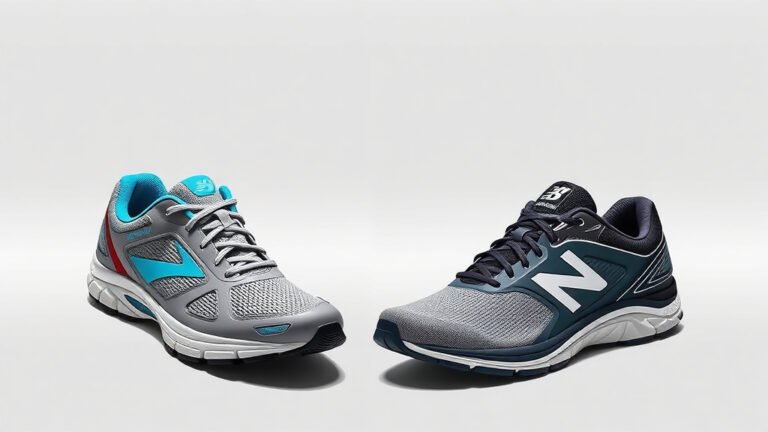
7 Best Comfortable Walking Shoes for Women with Arch Support
The best comfortable walking shoes for women with arch support are the Rykä Devotion Plus 3, JOGTAIL Zero Drop, and NORTIV 8 Walker — chosen for their targeted cushioning, stability features, and all-day comfort.
Getting the right pair matters because inadequate arch support can lead to foot fatigue, heel pain, and even knee or hip strain over time. That’s why motion control, cushioned midsoles, and anatomical footbeds are critical specs to prioritize, especially for women who spend long hours on their feet.
We narrowed the field to 7 top picks after hands-on comparison of fit, support, and durability. Each pair was evaluated for arch height accommodation, heel-to-toe transition, and breathable materials—with options suitable for plantar fasciitis, fitness walking, and casual wear alike. All featured styles balance support with everyday comfort. Scroll on for the full breakdown and a side-by-side comparison table to find your perfect match.
3 Standout Picks: Fitness Walking, Plantar Fasciitis, and All-Day Wear
Start with these 3 standouts. Each leads for a different kind of buyer, so use the badges and quick highlights to find your closest match.


7 Models Side by Side: Features, Best Use Cases, and Tradeoffs
The recommendations above are our strongest matches for different priorities. Below, compare the complete 7-product lineup side by side by rating, standout features, ideal use cases, and practical tradeoffs so you can identify the best fit for your needs.
- RE-ZORB cushioning
- Anatomical insole
- Made for Women fit
- Zero-drop sole
- High-resilience Phylon
- Built-in arch support
- Rocker sole
- EVA midsole cushion
- Breathable mesh upper

- Wide toe box
- Removable arch insole
- PHYLON midsole cushion

- Wide toe box
- Removable arch insole
- Breathable knit upper

- TPU arch support
- PU memory foam insole
- Non-slip MD sole

- Slip-on elastic closure
- Cushioned insole
- Breathable fabric upper
7 Models Reviewed in Depth
#1. Rykä Devotion Plus 3
You’ll feel the difference with RE-ZORB responsive cushioning that absorbs shock and protects your joints during high-performance fitness walking. The anatomical insole provides extra arch and heel support, while the Made for Women fit—narrower heel, roomier toe—ensures a secure, comfortable feel. The breathable engineered mesh and Lycra-lined collar add to the premium comfort.
One caveat: the 11mm heel-to-toe drop might not suit everyone, especially if you prefer a zero-drop shoe. The narrow heel could be an issue for those with wider feet, but for most women, this is a top-tier walking shoe. It’s ideal for fitness enthusiasts who want a responsive, supportive ride for daily walks or workouts.
Pros
- RE-ZORB responsive cushioning
- Anatomical arch support
- Breathable engineered mesh
Cons
- Pricier than others
- Narrow heel may not suit all
- Limited color options
Specifications
#2. JOGTAIL Zero Drop
You’ll notice the zero-drop sole immediately, keeping your heel and forefoot level for a natural gait that reduces joint impact. The high-resilience Phylon midsole absorbs 40% more impact, while the built-in arch support and thick air cushioning work together to alleviate plantar fasciitis and back pressure. The premium knit upper is breathable and seamless, preventing blisters during long hours on your feet.
One honest caveat: the shoe runs slightly large with a wide toe box, so if you have a high instep, you might want to size up half for a looser fit—otherwise, your regular size should work. This is a fantastic option for nurses, travelers, or anyone who stands all day and needs serious cushioning and support. Skip if you prefer a snug, narrow fit.
Pros
- Zero-drop promotes alignment
- Thick air cushioning
- Breathable knit upper
Cons
- Runs slightly large
- Not for narrow feet
- Limited color options
Specifications
#3. NORTIV 8 Walker
You’ll appreciate the curved rocker sole that promotes a smooth heel-to-toe motion, making long walks and standing shifts more comfortable. The high-rebound EVA midsole cushions each step and absorbs impact, while the lightweight design (8.23 oz per shoe) keeps your feet feeling fresh. The breathable mesh upper and TPU film reinforcement provide a secure, supportive fit.
One caveat: the fit is snug, so if you prefer a roomier feel, consider going up half a size or choosing a wide width. These shoes are versatile for walking, jogging, or daily commutes, but if you have wide feet, you might find them too narrow. They’re a solid choice for most women seeking reliable comfort and support.
Pros
- Rocker sole for smooth gait
- Cushioned EVA midsole
- Lightweight and breathable
Cons
- May run small
- Not for wide feet
- Limited color options
Specifications
#4. JOGTAIL Wide Sneakers
If you have wide feet or bunions, you’ll love the wide toe box that lets your toes spread naturally without pinching. The removable arch support insole conforms to your foot’s shape, distributing pressure evenly, while the PHYLON midsole provides responsive cushioning for softer landings. The breathable mesh upper keeps your feet cool during long walks or workouts, and the segmented rubber outsole offers reliable traction on various surfaces.
One caveat: the brand advises that sizes run small, so check the size chart carefully and consider ordering up. The shoe is versatile enough for walking, jogging, or gym sessions, but if you have narrow feet, the wide fit might feel too roomy. It’s an excellent choice for wide-footed women seeking comfort and support in an athletic sneaker.
Pros
- Wide toe box
- Cushioned PHYLON midsole
- Breathable mesh upper
Cons
- Sizes run small
- Limited color choices
- Not for narrow feet
Specifications
#5. Wide Toe Box Walker
You’ll appreciate the wide toe box that lets your toes spread naturally, improving posture and helping with bunions or flat feet. The removable arch support insole and high-resilience foam provide extra shock absorption and stability, reducing fatigue during long walks. The breathable knit upper keeps your feet cool and dry, while the non-slip outsole ensures stable steps on various surfaces.
However, these shoes are best for walking and light jogging—not for intense workouts or trail running. The lightweight construction might not hold up as well under heavy daily use, but for everyday errands, commuting, or standing all day, they’re a solid choice. If you need maximum durability for rigorous activities, consider a more robust option.
Pros
- Lightweight design
- Removable arch support
- Breathable knit upper
Cons
- Limited color options
- Not for high-intensity runs
- May lack durability
Specifications
#6. Orthowalkway Woven Sneakers
You’ll appreciate the hard TPU arch support and PU memory foam base in these orthopedic walking shoes, which work together to reduce foot fatigue and ease discomfort from plantar fasciitis or flat feet. The breathable woven mesh upper keeps your feet cool, while the lightweight, non-slip MD sole provides reliable traction for daily walks or all-day standing. The slip-on style makes them incredibly convenient for quick outings or busy mornings.
However, the fit may run slightly narrow, so if you have wide feet, you might need to size up or look elsewhere. The cushioning is plush but not designed for intense workouts or running. These are best for casual walking, errands, or light daily wear—especially if you prioritize arch support and easy on/off over athletic performance.
Pros
- Hard TPU arch support
- Breathable woven upper
- Easy slip-on design
Cons
- Limited color options
- May run narrow
- Not for high-impact
Specifications
#7. HKR Slip-On Sneakers
You’ll love the easy slip-on design with elastic closure—no more fussing with laces. The cushioned insole and shock-absorbing sole help reduce knee pressure and foot fatigue during long walks or all-day standing. The stretchable fabric upper is breathable and comfortable, making them perfect for casual wear, work, or light activities.
However, these shoes offer minimal arch support, so if you have severe plantar fasciitis or need serious support, they might not be enough. They’re best for light walking, errands, or as a comfortable everyday shoe. If you’re on your feet for hours in a demanding job, you may want to add an orthotic insole or choose a more supportive model.
Pros
- Easy slip-on design
- Cushioned insole
- Breathable upper
Cons
- Minimal arch support
- Not for heavy use
- Limited color options
Specifications
The Right Shoe for Every Mile: A Woman’s Guide to Arch Support and Comfort
A great walking shoe is more than a purchase—it’s an investment in how your feet, knees, and back feel at the end of the day. The wrong pair can turn a simple stroll into a source of nagging pain, while the right one makes you forget you’re wearing shoes at all. Because arch support and comfort are deeply personal, a little homework before you click “buy” pays off in steps you’ll actually enjoy taking.
The Anatomy of a Shoe That Works With Your Feet
Arch type and support level. Your foot’s arch—whether low, neutral, or high—dictates how much support you need. Many shoes offer built-in arch support, but the height and firmness vary widely. If you’re unsure of your arch type, a quick wet-foot test at home can give you a clue. Look for shoes that describe their support as “moderate” or “firm” rather than vague terms like “cushioned.”
Heel-to-toe drop. This is the height difference between the heel and forefoot. A lower drop (around 4-6mm) encourages a more natural stride, while a higher drop (10-12mm) shifts pressure forward and can ease calf strain. If you’re used to running shoes, a lower drop may feel strange at first—consider what your daily walking routine demands before committing.
Midsole firmness vs. plushness. Firm midsoles provide stability and better arch support, but they can feel harsh on long walks. Plush midsoles feel great in the store but may compress quickly, leaving you with less support over time. A balanced shoe—one that’s responsive yet forgiving—is often the sweet spot for all-day wear.
Toe box room. Your toes need space to splay naturally with each step. A narrow toe box can cause blisters, bunions, or numbness. Look for shoes with a wider forefoot or those that come in wide widths, especially if you’ve had issues before.
Outsole grip and flexibility. A good walking shoe should bend at the ball of the foot, not the middle, and offer traction on both pavement and light trails. Rubber outsoles with subtle lugs handle wet surfaces better than smooth foam.
Sticking to your budget. Comfort doesn’t always mean premium pricing. Many mid-range options offer excellent arch support. Focus on the features above, and remember that a slightly pricier shoe that lasts two years is cheaper per mile than a bargain pair that wears out in six months.
Mistakes That Turn a Walk Into a Chore
- Shopping for style first. Sleek silhouettes often sacrifice support. If the shoe doesn’t feel right in the store, it won’t feel better after a week—no matter how good it looks.
- Ignoring the break-in period. Some shoes need a few short walks to mold to your feet. Don’t judge a pair on the first five minutes, but also don’t push through real pain—that’s a sign of a bad fit, not a stiff sole.
- Assuming “one size fits all” arch support. Generic support doesn’t accommodate every foot. If you have flat feet or high arches, consider aftermarket insoles as a backup plan, but start with a shoe whose built-in support matches your needs.
Your Arch-Support Match Is in This Lineup
Rykä remains the top pick for women who need serious stability on long daily walks, while the wide-toe-box slip-ons are your best bet if bunions or plantar fasciitis demand roomy, zero-drop relief. NORTIV 8 wins for versatile gym-to-street wear, and the HKR slip-ons nail the budget-friendly cushioned commute. The orthopedic woven pair suits all-day office wear, and the lightweight running sneakers handle brisk fitness walks. Every option here stays under the comfort-first price point, so you won’t sacrifice support for savings. Stop second-guessing — check the buttons above to see today’s stock and grab your pair before sizes sell out.
Final 3 Picks: Fitness Walking, Plantar Fasciitis, and All-Day Wear
Ready to decide? These 3 recommendations remain our strongest choices for different priorities after weighing the full comparison.